News Summary
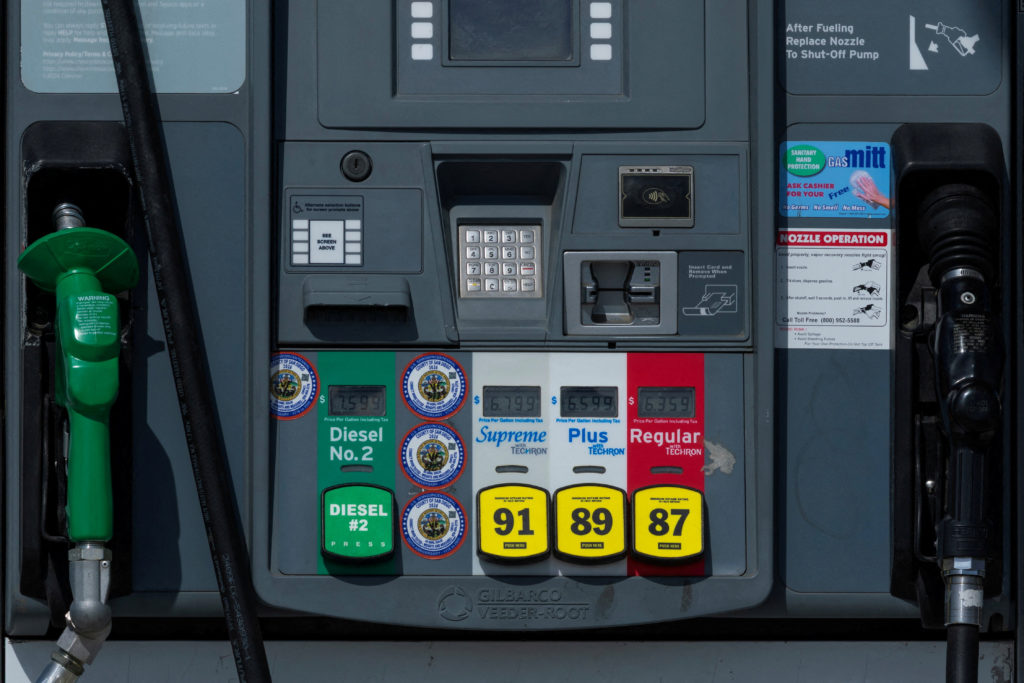
Two independent reports (PBS NewsHour and NPR) state that the U.S. national average retail price of diesel has risen above $6 per gallon and that this spike is deepening strain on hauling everyday goods. Both pieces link the increase to disruptions in global fuel flows tied to the U.S.–Iran military confrontation. The supplied excerpts confirm the headline price claim and the geopolitical attribution but do not include an exact price figure, named data sources (EIA, AAA, etc.), expert market analysis, or alternative market explanations in the provided text.
Source and Framing Analysis
Both supplied items corroborate the same two material points: (1) U.S. diesel averages exceeded $6 per gallon, and (2) the pieces attribute the rise to disruptions connected to U.S.–Iran hostilities. That causal framing is plausible—geopolitical conflict can affect energy markets—but the excerpts simplify a complex market. They lack a cited data source for the price figure, independent market analysis, and consideration of other drivers (refinery outages, inventory changes, seasonal demand, shipping/insurance costs, trader expectations). The near‑identical wording in both excerpts suggests consistent reporting of the headline fact but not independent, detailed evidence for the causal chain. Treat the price-level claim as strongly supported by reporting; treat the specific attribution to the conflict as provisional pending named data sources and market analysis. Notable source-specific detail: PBS’s excerpt explicitly situates the spike as occurring “on Friday” and calls it “yet another record” (detail not present in the supplied NPR excerpt).
Free every morning
Get the Daily Briefing
The stories shaping today—sourced carefully and considered through Scripture. No outrage bait.
Confirm by email. Unsubscribe at any time.
How sources covered this story
Sanctuary separately assesses reporting quality and alignment with Christian virtues. The virtues assessment considers truthfulness, dignity, compassion, justice, peacemaking, humility, and care for vulnerable people. It does not assess a publisher's faith or reward religious language.
Compare 2 reports
Rank 1
PBS NewsHour: U.S. diesel prices soar past $6 a gallon, deepening strain for hauling everyday goodsReporting 74/100Virtues 70/100
- Distinctive contribution
- Specifies timing ('hit yet another record on Friday') and frames the cause explicitly as disruption to global fuel flows connected to 'Washington's war with Iran.'
- Framing
- Presents a causal link between U.S. actions toward Iran and global fuel-flow disruptions leading to a diesel-price record; framed as a direct cause-and-effect statement without hedging.
- Omissions or uncertainty
- No source for the $6/gal figure is cited (e.g., EIA, AAA), no regional breakdown or time window beyond 'on Friday,' and no evidence or sourcing to substantiate the asserted causal link or explain the mechanism of disruption.
- Why these scores
- Concise and newsworthy: it reports a clear, verifiable headline fact and situates a cause. However, the excerpt lacks attribution for the price data, lacks supporting evidence for the causal claim, and offers minimal context or qualification; those limitations reduce the score from being higher. The language is factual and non-dehumanizing and draws attention to economic hardship (implicit concern for people affected). The strong causal wording ('Washington's war with Iran') could be interpreted as blunt or polemical without supporting detail, limiting a higher score for careful humility and precise truthfulness.
Reporting 71/100Virtues 70/100
- Distinctive contribution
- Largely repeats the core facts and attribution present in the PBS excerpt; minor wording difference only ('has hit' vs. 'hit').
- Framing
- Attributes the price surge to disruption of global fuel flows tied to actions described as 'Washington's war with Iran,' stated as a direct explanation without caveats in the excerpt.
- Omissions or uncertainty
- No sourcing for the price statistic, no details on the data source, timing beyond the general present, and no supporting detail about how the alleged disruption is occurring or its scale.
- Why these scores
- The excerpt conveys a clear, newsworthy fact and causal claim but lacks attribution for the price data and offers no supporting evidence or contextual detail in the supplied text. The wording is slightly less specific about timing than the PBS excerpt but otherwise comparable. The phrasing is factual and non-inflammatory in tone in the excerpt and highlights a matter with real human-economic consequences. The unqualified causal phrasing reduces marks for humility and precise truthfulness because the excerpt supplies no supporting context or caveats.
Biblical Reflection
Factual reporting: prices have risen sharply and are causing real economic pressure on transport and supply chains. Interpretive caution: attributing the entire move to a single geopolitical cause oversimplifies a market shaped by many interlocking factors. Christian pastoral response: attend first to people hurt by the shock—truck drivers, small distributors, low-income households who face higher grocery and delivery costs. Pray for de‑escalation and wise leadership, provide immediate mercy and practical assistance, and pursue public conversation that seeks truth without scapegoating. The Christian stance holds truth and justice together with mercy and humility: advocate for policies that reduce vulnerability and support those suffering now, while resisting simplistic partisan narratives about complex economic causation.
Scripture in context
- 1Luke 10:25–37 (Good Samaritan) — Jesus tells a parable in which a foreigner cares for an injured man after religious leaders pass by, challenging social and ethnic boundaries in his context. — The passage emphasizes practical, costly compassion across social divisions. In relation to rising fuel costs, it calls Christians to prioritize concrete help for those harmed by market and geopolitical shocks rather than focusing only on abstract debate about causes.
Faithful Response
Pray for those economically affected (truckers, delivery workers, low‑income families, small business owners) and for leaders to pursue de‑escalation and policies that protect civilians and commerce.
Mobilize immediate, practical help: increase support for food banks and benevolence funds; consider gas- and grocery-assistance vouchers for members of the community in transport industries; coordinate with local social services for emergency assistance.
Provide pastoral and financial counseling for congregants working in logistics or small retail who face income strain.
Advocate prudently: request transparent, evidence‑based briefings from public agencies (EIA, Department of Transportation, local officials) about causes and mitigation, and press leaders for policies that reduce harm and strengthen supply‑chain resilience.
Practice household stewardship and community cooperation (carpooling, delivery consolidation, sharing resources) while avoiding panic-driven actions.
Free every morning
Get the Daily Briefing
The stories shaping today—sourced carefully and considered through Scripture. No outrage bait.
Confirm by email. Unsubscribe at any time.
Reflection and Discussion
- 1How should our desire for peace shape the way we interpret and respond to reports linking conflict to economic harm?
- 2Who in our local community is most likely to be hurt by higher diesel costs, and how can the congregation identify and assist them quickly and respectfully?
- 3What evidence would make you confident that the price spike was primarily caused by the U.S.–Iran conflict rather than other market factors?
- 4How can we hold public leaders accountable for protecting civilians and commerce without falling into partisan blame or scapegoating?
Sources
Reporting links are evidence inputs; Sanctuary News' biblical reflection is commentary.
- 1.US diesel prices soar past $6 a gallon, deepening strain for hauling everyday goodsadditional_reporting
- 2.U.S. diesel prices soar past $6 a gallon, deepening strain for hauling everyday goodsprimary_reporting