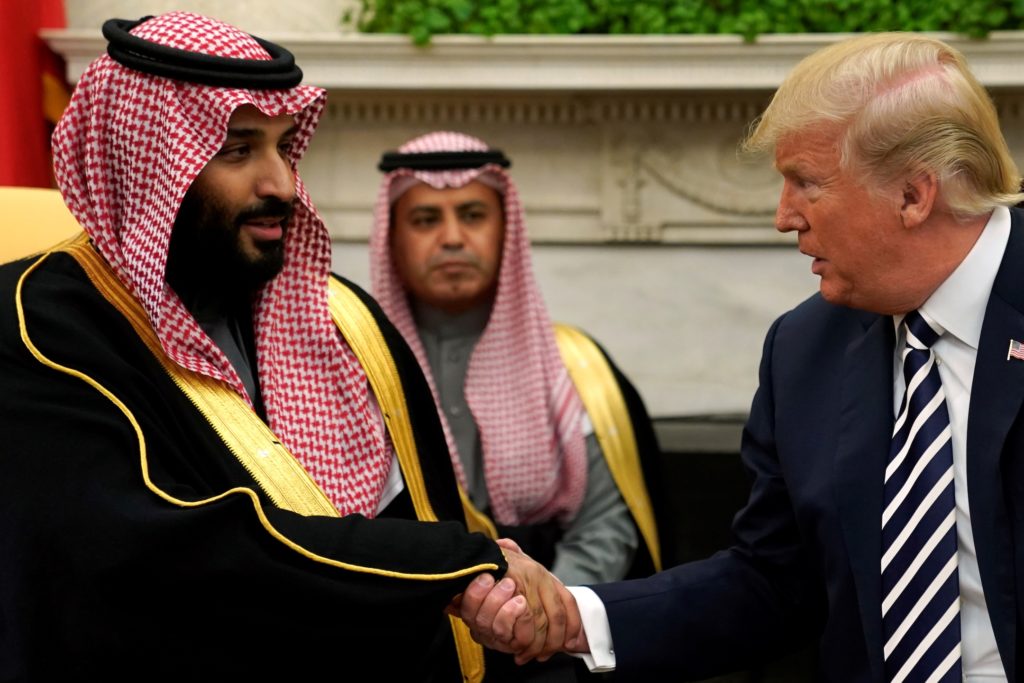
News Summary
Reported facts: The U.S. and Saudi Arabia announced a peaceful nuclear cooperation agreement to develop a civilian nuclear program with U.S. technology; a bilateral safeguards agreement was also signed, according to reporting. Attributed claims: Critics say the deal could permit Saudi uranium enrichment and thereby raise proliferation risks. Uncertainties: The public reporting does not specify the technical and legal details—such as explicit limits on enrichment, the role of the IAEA, timelines, or U.S. domestic approval steps—so the scope and safeguards of the agreement remain insufficiently detailed in the supplied sources.
Source and Framing Analysis
The original PBS item is a short report summarizing the announcement and critics’ concerns; The Guardian corroborates key factual points and names officials involved. Material uncertainties that affect the story include whether the agreement explicitly allows enrichment on Saudi soil, the precise safeguards and inspection mechanisms agreed to, and how U.S. domestic oversight (congressional review or legal constraints) will apply. These gaps materially change the risk assessment and are central to the criticisms reported.
Free every morning
Get the Daily Briefing
The stories shaping today—sourced carefully and considered through Scripture. No outrage bait.
Confirm by email. Unsubscribe at any time.
Biblical Reflection
This agreement raises a difficult moral and practical tension for Christians: the legitimate peaceful use of energy and human flourishing must be weighed against the real risks that nuclear technology can be diverted or inspire an arms race. The article centers critics’ warnings, which are an appropriate call for prudence, transparency, and strong international safeguards. Christians should value truth-seeking and careful oversight, pressing leaders for clear commitments that reduce risk to neighbors rather than amplify fear or insecurity.
At the same time, Christian concern must avoid partisan reflexes or alarmism; careful discernment requires asking how this deal will be implemented, monitored, and governed. We should urge policies and diplomacy that reflect stewardship of creation (responsible energy use), love of neighbor (preventing harm), and peacemaking (reducing incentives to arm). Where uncertainty remains, humility and persistent prayer for wisdom are fitting responses.
Scripture in context
- 1Isaiah 2:4 — A prophetic vision calling nations away from weapons of war toward instruments of peace and justice, spoken in a context of anticipating a transformed, peaceful international order. — This passage invites Christians to prefer technologies and policies that reduce militarization and promote lasting peace rather than contributing—directly or indirectly—to armament or escalation.
- 2Matthew 5:9 — Part of the Sermon on the Mount, where Jesus calls his followers to be peacemakers whose lives reflect kingdom peace in relationships and communities. — Christians should approach international security issues with a disposition toward peacemaking: advocating for restraint, safeguards, and diplomacy that protect neighbors from harm.
Faithful Response
Pray specifically for wisdom for negotiators, inspectors, and elected officials overseeing the agreement.
Seek reliable information from technical and diplomatic sources; ask questions about safeguards, IAEA involvement, and legal constraints on enrichment.
Advocate publicly and privately for transparency, strong international safeguards, and independent inspections that reduce proliferation risk.
Support organizations and policies that prioritize nonproliferation, humanitarian protection, and conflict prevention.
Free every morning
Get the Daily Briefing
The stories shaping today—sourced carefully and considered through Scripture. No outrage bait.
Confirm by email. Unsubscribe at any time.
Reflection and Discussion
- 1Are we prioritizing truth and the protection of vulnerable neighbors over partisan loyalties when we evaluate national security agreements?
- 2What concrete safeguards should Christians insist on to ensure dual‑use technologies serve peaceful purposes?
- 3How can prayer and civic engagement work together to influence policies that reduce the risk of harm?
Sources
Reporting links are evidence inputs; Sanctuary News' biblical reflection is commentary.
- 1.Critics warn U.S. nuclear power deal with Saudi Arabia could fuel proliferationprimary_reporting
- 2.US signs landmark nuclear deal with Saudi Arabiaadditional_reporting