Pastoral Outlook
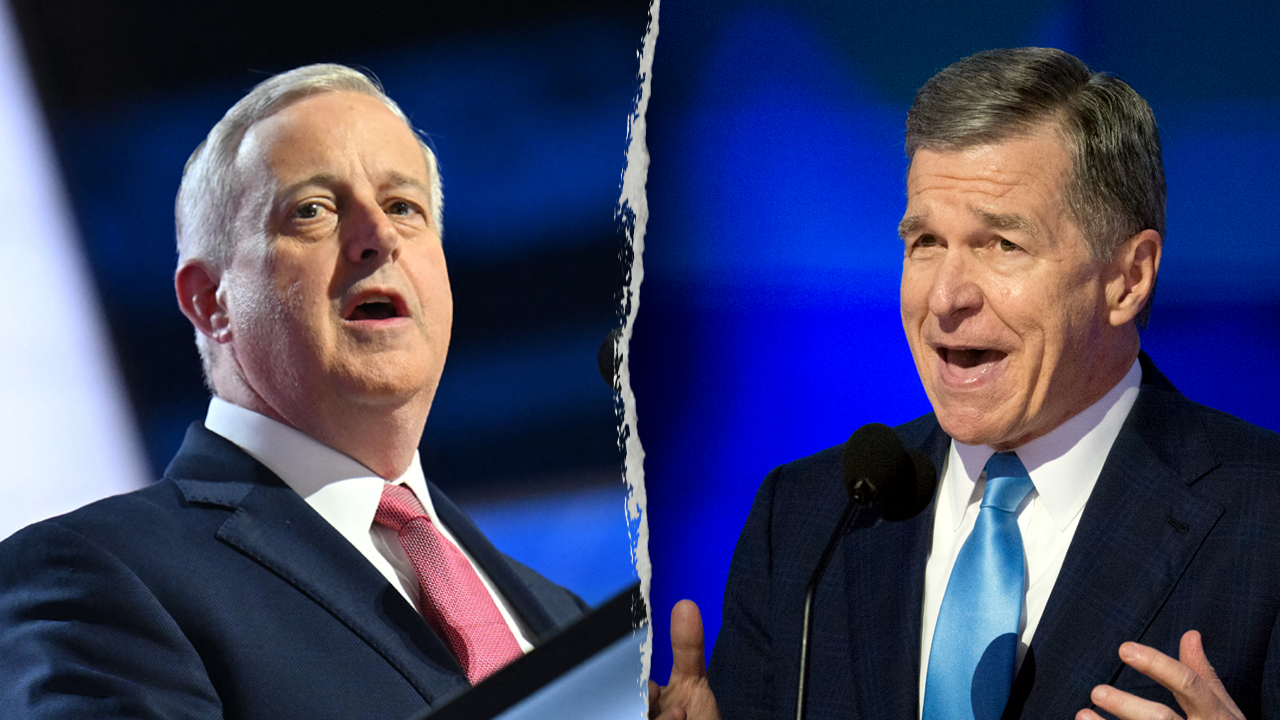
With about four months until the 2026 midterm elections, GOP Senate campaign chair Sen. Tim Scott expressed optimism that Republicans can hold and expand their 53–47 majority, while Democratic Senate campaign chair Sen. Kirsten Gillibrand said Democrats see the potential for a takeover. The article identifies a dozen competitive Senate contests across multiple states that could change control of the Senate. It summarizes key races and candidates: North Carolina (open seat, Republican Michael Whatley vs. Democrat Roy Cooper); Maine (incumbent Republican Susan Collins vs. Democrat Graham Platner amid controversies about Platner's past); Michigan (open seat, former Rep. Mike Rogers likely GOP nominee, Democratic primary between Rep. Haley Stevens and Abdul El-Sayed); Ohio (Sherrod Brown vs. appointed Sen. Jon Husted in a race rated a toss-up by some nonpartisan outlets); New Hampshire (open seat with Rep. Chris Pappas expected to be the Democratic nominee, GOP primary featuring John E. Sununu and Scott Brown); Alaska (former Rep. Mary Peltola challenging GOP incumbent Dan Sullivan, and a legal dispute over another candidate using that name); Georgia (vulnerable Democrat Jon Ossoff facing Rep. Mike Collins); Iowa (open seat with GOP Rep. Ashley Hinson vs. Democrat Josh Turek); Texas (Democrat James Talarico vs. GOP Ken Paxton); Minnesota (open seat after Sen. Tina Smith's retirement with Michele Tafoya as a GOP recruit and Democrats contesting their primary); Florida (GOP Sen. Ashley Moody likely nominee vs. Democrat Alex Vindman); Nebraska (incumbent Republican Pete Ricketts vs. independent Dan Osborn, with the Democratic nominee likely to drop out). The piece frames these races within national dynamics cited as affecting outcomes: traditional midterm headwinds for the president's party, economic concerns like inflation and gas prices, public opinion on the conflict with Iran, former President Trump's approval ratings, and intra-party tensions on both sides—progressive primary victories for Democrats and controversies used by Republicans. It references ratings and polling from nonpartisan outlets for some contests and notes endorsements and candidate backgrounds where relevant.
This article is a political overview aimed at readers tracking who might control the Senate. It reports candidate names, retirements, polling snapshots, and endorsements but also reflects partisan emphasis common in political coverage: it highlights vulnerabilities, controversies, and lines of attack that campaigns will use. The piece gives weight to factors (economy, war, presidential approval) that typically influence midterms, while also amplifying sensational items—candidate controversies and ideological labels—that can shape voter perception more than policy details. From a Christian discernment perspective, the article illustrates how political reporting often favors conflict and personality over sustained attention to the common good. Christians should note the truth-claim limits of polling and punditry (they are probabilistic, not prophetic) and be cautious about accepting caricatures of opponents or simplistic explanations. Practically, the coverage matters because control of the Senate affects law, judicial confirmations, and public policy that shape neighbors’ lives; therefore, stewardship, truthfulness, and a concern for justice should guide how believers receive and respond to this information. Faithful engagement requires resisting cynicism and slander, seeking verified facts from multiple sources, praying for leaders and voters, and working for policies that protect the vulnerable regardless of party.Thought to Remember
“Politics reveals human brokenness and genuine responsibility; hold leaders to truth, love your neighbor beyond party lines, and place ultimate hope in God rather than any political outcome.”