News Summary
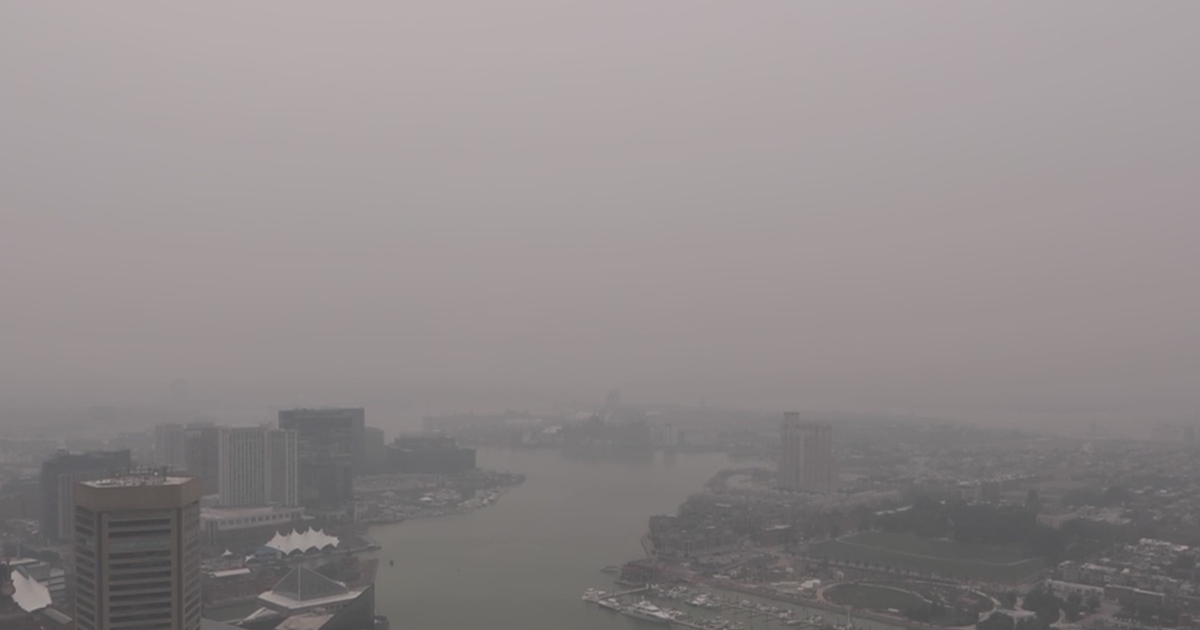
Facts: President Trump posted on Truth Social accusing Canada of failing to maintain forests and threatening to add tariffs tied to smoke-related costs; Canada stated it is urgently working with provincial and territorial partners and has spent billions on fire prevention; hundreds of Canadian wildfires have sent smoke into U.S. population centers, degrading air quality and prompting health advisories and event schedule changes. Attributed claims: Trump’s characterization of "willful negligence" and that the smoke is "costing the United States Billions of Dollars" are his assertions; several Republican lawmakers and some GOP officials also blamed Canada. Uncertainties: how any tariff increase would be implemented, the precise economic cost of the smoke to the U.S., and the degree to which forest-management practices vs. climate change or other factors are responsible for the fires.
Source and Framing Analysis
Role of sources: CBS News is the primary article and presents the president’s post, Canadian government responses, and political context; Fox News corroborates the scale of fires, air-quality impacts, health guidance, and event disruptions. Missing voices: independent scientific agencies (e.g., air-quality or wildfire researchers), provincial or Indigenous land-management officials, legal experts on tariff authority, and specific affected community testimony are underrepresented. Incentives and framing: political outlets may highlight conflict or blame to suit audience expectations; the narrative centers on bilateral blame rather than multi-factor causes or emergency cooperation. Disputed claims and verification needs: the asserted "billions" in costs, the claim of "willful negligence" by Canada, and the legal pathway for imposing tariffs require independent economic, scientific, and legal verification.
Free every morning
Get the Daily Briefing
The stories shaping today—sourced carefully and considered through Scripture. No outrage bait.
Confirm by email. Unsubscribe at any time.
Biblical Reflection
From a Christian perspective, the reporting highlights a mix of genuine cross‑border harm (dangerous air quality) and political posturing. The factual problem—widespread smoke and health risks—is real and calls for compassion, coordinated emergency response, and investment in prevention. The president’s public threat to raise tariffs is a policy response framed as blame; such rhetoric can obscure complex causes (including climate, land management, and resource limits) and risks turning a neighborly emergency into a diplomatic and economic conflict. Christians should test claims against evidence: who is directly responsible, what remedies address root causes, and what actions best protect vulnerable people now? Biblically informed stewardship calls for truthfulness and accountability, but also for mercy and cooperation with neighbors in need. Advocacy that favors punitive measures without engaging shared solutions can deepen division and harm ordinary people who rely on cross‑border trade. At the same time, holding leaders accountable for protecting health and safety is legitimate. The spiritually healthy response is to seek facts, resist scapegoating, support immediate relief for those harmed by smoke, and press for cooperative, long‑term policies—both preventive forest management and climate mitigation—that reflect love of neighbor and care for creation.
Scripture in context
- 1Luke 10:25-37 (Good Samaritan) — Jesus answers a question about 'who is my neighbor' by telling a story in which a Samaritan—socially marginalized by Jewish listeners—shows mercy and practical care to a wounded man that religious leaders passed by. The passage challenges narrow definitions of neighbor and links love to concrete action. — The story urges Christians to cross social and political boundaries to help those suffering (including across national borders), to prioritize mercy and practical relief in emergencies, and to temper quick blame with concrete care and reconciliation.
Faithful Response
Pray for affected communities, first responders, and leaders on both sides of the border, asking for wisdom and cooperation.
Support local relief efforts and trusted emergency-response organizations distributing masks, air purifiers, shelter, and medical assistance to those most affected.
Avoid amplifying unverified accusations on social media; seek trustworthy scientific and legal sources before passing judgment.
Contact elected representatives in a spirit of constructive advocacy asking for evidence-based, cooperative policies that protect public health and improve wildfire prevention and response.
Free every morning
Get the Daily Briefing
The stories shaping today—sourced carefully and considered through Scripture. No outrage bait.
Confirm by email. Unsubscribe at any time.
Reflection and Discussion
- 1Which sources are being used to justify punitive political responses, and what independent scientific or legal evidence is missing?
- 2How does language of blame influence public willingness to cooperate across borders in emergencies?
- 3What practical steps should Christians encourage in their communities to protect vulnerable people during transboundary air-quality crises?
Sources
Reporting links are evidence inputs; Sanctuary News' biblical reflection is commentary.
- 1.Trump Threatens Tariffs Over Canadian Wildfire Smokeprimary_reporting
- 2.Trump Blames Canada for Wildfire Smoke, Proposes Tariffsadditional_reporting
- 3.Canadian Wildfire Smoke and New Jersey World Cup Finaladditional_reporting
- 4.Canadian Wildfire Smoke Forces MLB Schedule Changesadditional_reporting