News Summary
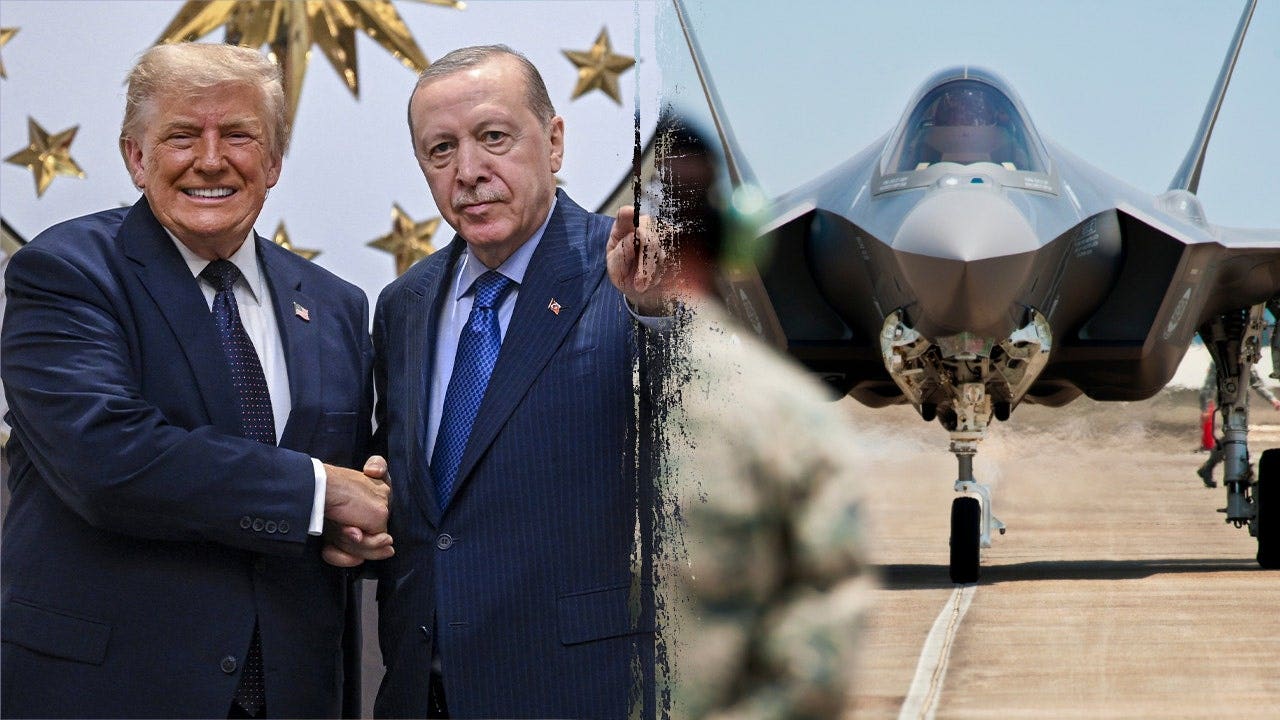
At a bilateral meeting in Ankara during the NATO summit on July 7, 2026, President Donald Trump said he intends to remove U.S. sanctions on Turkey’s defense sector and signaled openness to resuming the stalled sale of F-35 fighter jets to Turkey. He dismissed concerns about Turkey’s possession of the Russian-made S-400 air defense system. Turkey was removed from the multinational F-35 program in 2019 after acquiring the S-400; Congress subsequently imposed sanctions under CAATSA and enacted statutory restrictions (section 1245 of the FY2020 NDAA) that bar transferring F-35s to Turkey unless certain legal requirements are met. Bipartisan members of Congress and Pentagon officials have warned that allowing Turkey to operate both the S-400 and F-35 could risk U.S. technology and that proceeding without meeting legal conditions could violate U.S. law and undermine national security. Lawmakers also cite Turkey’s other policies and regional tensions as factors complicating a restoration of full defense ties.
Biblical Reflection
From a Christian-perspective balance of truth and prudence is needed. The proposal to lift sanctions and consider transferring F-35s raises two legitimate goods—reconciliation with an ally and strengthening NATO interoperability—but also concrete risks: potential compromise of sensitive technology, erosion of legal checks placed by Congress, and damage to trust among NATO partners. The article reports factual statements and relevant legal and security context, but appears framed to highlight the president’s unilateral decision-making; it gives limited detail about Turkey’s stated reasons, NATO partners’ positions, or technical safeguards that might mitigate risk. Christians should notice the competing virtues here: mercy and reconciliation toward a longtime ally versus stewardship and protection of the common good (national security and rule of law). Truth requires careful attention to evidence about the S-400’s technical risk and to the legal limits Congress established; humility requires resisting partisan narratives that simplify complex strategic decisions; courage and accountability call for insisting leaders operate within lawful processes and consult allies whose security may be directly affected.
Scripture in context
This outlook does not yet include contextual Scripture citations. Do not treat a general biblical theme as an exegetical conclusion.
Faithful Response
No prescribed response is offered. Consider the reflection prompts below in your own church context.
Reflection and Discussion
- 1Does restoring military ties prioritize short-term alliance gains over long-term security and legal accountability, and who bears the risk if that balance shifts?
- 2How does this decision affect trust within alliances—will partners see it as reconciliation or as unilateralism that undermines collective safeguards?
- 3Are media accounts giving equal weight to technical security assessments, congressional law, and the perspectives of NATO allies, or do they favor a single political narrative?
Sources
Reporting links are evidence inputs; Sanctuary News' biblical reflection is commentary.
This outlook currently relies on fewer than two linked sources. Broaden verification before teaching from it.
- 1.Original reportprimary