News Summary
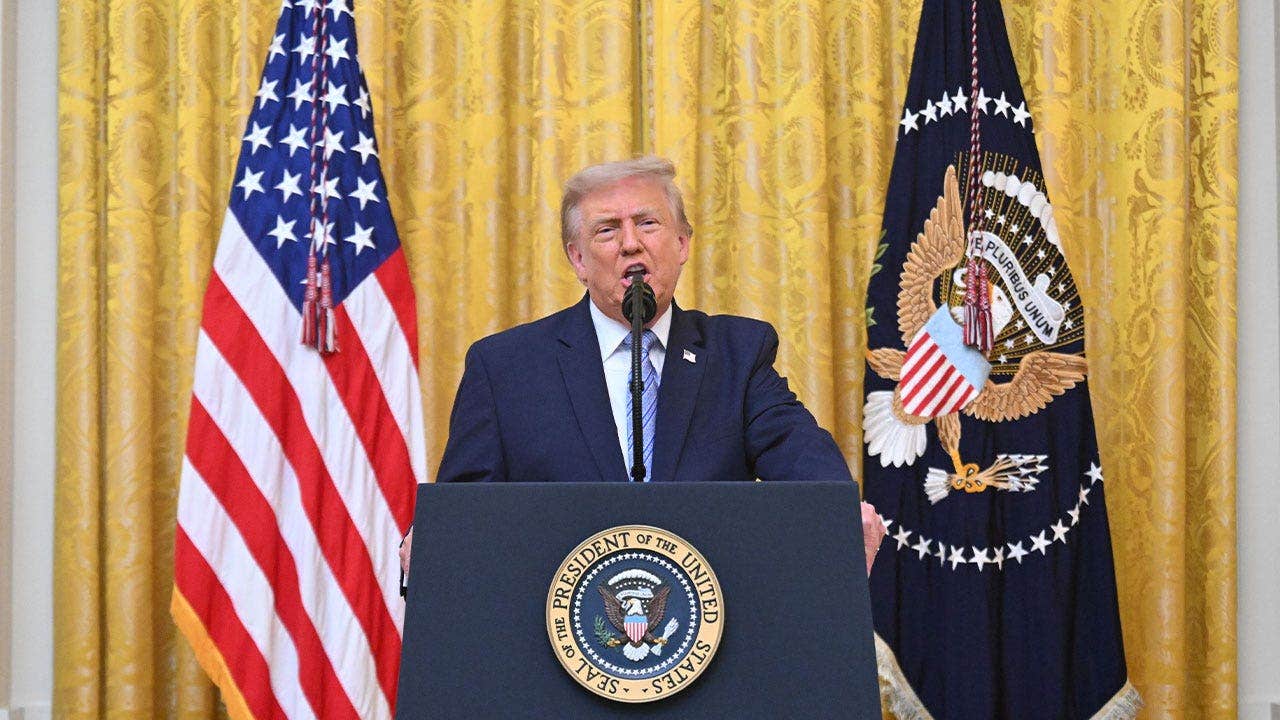
Reported facts: President Trump posted on Truth Social blaming Canada for smoke from nearly 850 active wildfires and suggested adding the pollution's economic costs to tariffs on Canadian imports; he said he would call Canadian Prime Minister Mark Carney. NASA and agencies reported smoke and air-quality alerts across more than 20 U.S. states. A cardiothoracic surgeon advised staying indoors and using N95 masks for vulnerable populations. Fox News said it sought comment from Canadian officials. Corroboration: CBS News published a similar account and quoted a Canadian minister saying Canada is working with provincial partners and has invested in prevention. Attributed claims vs uncertainty: Trump's assertions that Canada engaged in "willful negligence" and that the smoke is "costing the United States Billions of Dollars" are his claims and are not substantiated with supporting evidence in these reports; the article does not specify how tariffs would be legally implemented or how costs would be calculated and assigned.
Source and Framing Analysis
Source role: Fox News is the primary article source summarizing the president's public post and health concerns; CBS News provides corroborating reporting and additional Canadian government statements. Missing voices: independent scientific attribution studies, federal trade-law experts, detailed Canadian provincial officials' operational statements, and quantified economic damage assessments are not present. Incentives and framing: the piece highlights presidential rhetoric and political accountability, which can amplify blame framing; Fox's headline foregrounds an accusatory policy response. Disputed claims and verification needs: the president's claims of "willful negligence" and "billions" in costs require independent evidence, as do any assertions that forest management alone (as opposed to climate-driven conditions) is the proximate cause. The article would benefit from verified economic-loss estimates, legal analysis of tariff authority, and statements from fire-science specialists.
Free every morning
Get the Daily Briefing
The stories shaping today—sourced carefully and considered through Scripture. No outrage bait.
Confirm by email. Unsubscribe at any time.
Biblical Reflection
This story combines environmental harm, public health risks, and a political response that frames a transboundary natural disaster as a bilateral offense. Christians should note several things: (1) Wildfires and smoke are complex phenomena influenced by climate, land management, and weather; assigning sole blame to a neighboring country simplifies that complexity and risks scapegoating rather than encouraging cooperation. (2) The proposal to treat pollution costs as tariffs turns an environmental and humanitarian problem into a trade-punishment narrative, prioritizing retribution and political signaling over joint problem-solving and care for vulnerable people. (3) The article includes urgent public-health information that merits practical response (protecting the sick and elderly, following air-quality guidance). Evaluate claims carefully: the president’s accusation and suggested tariff remedy are policy statements, not documented actions, and the piece notes he did not explain how costs would be calculated or enforced. Christians are called to truth-seeking and neighbor-love: that means advocating for accurate information, compassionate aid to those harmed by smoke, wise stewardship of creation, and diplomatic cooperation rather than inflammatory rhetoric that could impede shared solutions.
Scripture in context
- 1Luke 10:25-37 (Parable of the Good Samaritan) — In Jesus' teaching, an expert in the law asks who is his neighbor; Jesus tells a parable where a Samaritan—socially and ethnically an outsider to the injured man—shows compassion and practical aid while religious leaders pass by. The parable challenges ethnic and religious boundaries by redefining neighbor as the one who shows mercy. — Applied to cross-border smoke and political blame, the passage calls Christians to prioritize practical care for those harmed (providing relief, health support, cooperation) and to extend compassion to those perceived as 'other' rather than rushing to demonize them; it also supports calling for honest responsibility without abandoning mercy.
Faithful Response
Seek verified information before endorsing political claims: consult public-health agencies, fire-science experts, and trade-law analyses.
Pray for and mobilize support for vulnerable neighbors affected by poor air quality (e.g., check on elderly, provide masks and air filters).
Advocate for cooperative, evidence-based cross-border responses to wildfires and for policies that combine prevention, mitigation, and aid.
Free every morning
Get the Daily Briefing
The stories shaping today—sourced carefully and considered through Scripture. No outrage bait.
Confirm by email. Unsubscribe at any time.
Reflection and Discussion
- 1What evidence would change your assessment of whether Canada bears legal or economic responsibility for cross-border smoke?
- 2How might the tone of public leadership either increase cooperation or inflame division during an environmental emergency?
- 3In what practical ways can your church reflect neighbor-love to those harmed by environmental events — locally and across borders?
Sources
Reporting links are evidence inputs; Sanctuary News' biblical reflection is commentary.
- 1.Trump Blames Canada for Wildfire Smoke, Proposes Tariffsprimary_reporting
- 2.Trump Threatens Tariffs Over Canadian Wildfire Smokeadditional_reporting