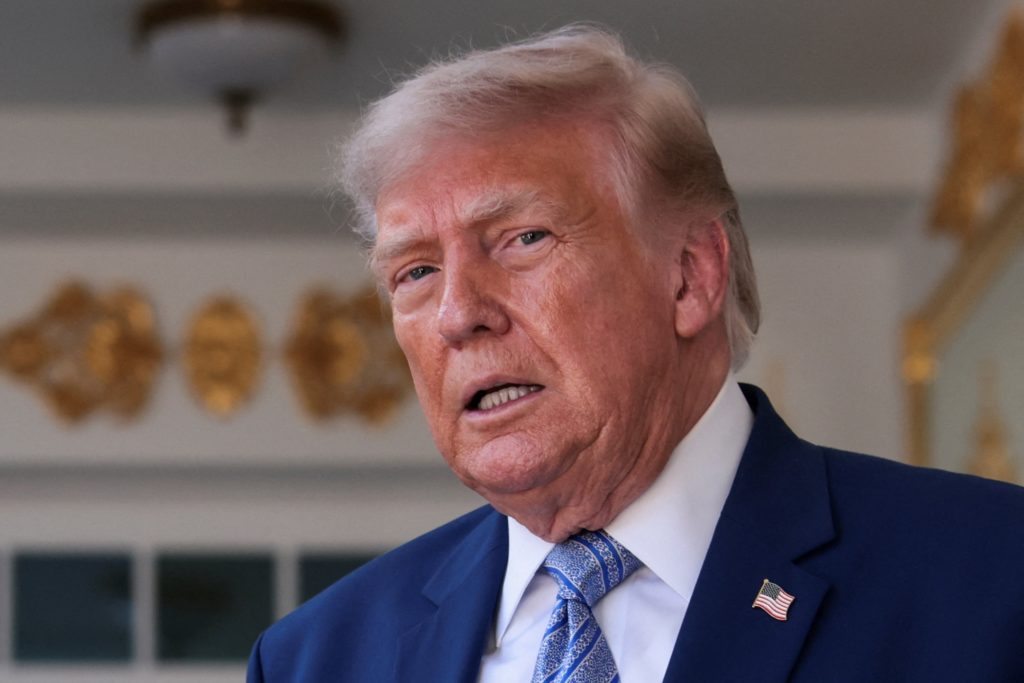
News Summary
Reported facts: PBS NewsHour reported the Trump administration is imposing new tariffs timed to begin when a prior round expires; NPR reports the measures would levy roughly 10%–12.5% on imports from about 60 countries representing about 99% of U.S. imports and that the action is tied to claims those countries inadequately enforce bans on forced-labor goods. Attributed or uncertain claims: PBS's brief also mentions tensions after a fatal police shooting in Madison, Wisconsin and a life sentence for a killer of Minnesota House Speaker Melissa Hortman; those local/criminal items are not corroborated in the supplied NPR report and lack detail in the PBS wrap.
Source and Framing Analysis
The core tariff claim is corroborated by NPR, which supplies specifics on rates, scale (60 countries, 99% of imports), and the stated rationale (forced-labor enforcement). The PBS item is a short 'news wrap' format that bundles several disparate items without detail; that format can compress or conflate facts and leaves important context out. Material uncertainties that affect interpretation include the full list of targeted countries, legal basis and enforcement mechanisms, exemptions, economic impact assessments, and whether the administration has presented evidence linking particular countries or imports to forced labor violations.
Free every morning
Get the Daily Briefing
The stories shaping today—sourced carefully and considered through Scripture. No outrage bait.
Confirm by email. Unsubscribe at any time.
Biblical Reflection
This announcement raises immediate questions about truthfulness, justice, and care for neighbors both at home and abroad. Factually, the tariffs as reported (double-digit levies on the bulk of U.S. imports) would be consequential for supply chains, prices, and diplomatic ties; Christians should first demand clarity about the facts (which countries, legal authority, exemptions, timelines, and the administration’s evidence regarding forced labor).
From a pastoral perspective, evaluate both the stated intention and the likely consequences. If the policy aims to protect workers and oppose forced labor, that impulse aligns with the biblical concern for the oppressed; but policy methods matter. Broad tariffs can raise costs for low-income consumers, harm workers in dependent industries, and provoke retaliatory measures that disproportionately hurt vulnerable people. Christians should resist quick partisan celebration or condemnation and instead insist on truth, proportionality, and attention to those who will bear the burdens.
Spiritually, this moment calls for humility and peacemaking. Economic policy is not only a technical issue; it shapes livelihoods and international relationships. Believers should press for transparent, evidence-based policy that seeks justice for exploited workers while pursuing remedies that minimize collateral harm, prefer nonviolent remedies where possible, and hold leaders accountable with measured, fact-focused questions rather than partisan slogans.
Scripture in context
- 1Isaiah 1:17 (general reference) — Isaiah calls God’s people to 'learn to do good; seek justice, correct oppression, defend the fatherless' within a prophetic critique of formal religion that ignores ethical obligations. — This passage urges attention to concrete injustice rather than rhetorical posturing; when policy claims to fight oppression (for example, forced labor), Christians should ask for concrete evidence and pursue remedies that actually protect the vulnerable.
- 2Matthew 5:9 (general reference) — Part of the Sermon on the Mount where Jesus blesses those who embody the values of his kingdom, including peacemaking and reconciliation. — Economic and diplomatic conflicts call for peacemaking instincts: pursue policies and conversations that reduce harm and seek reconciliation where possible, even while standing for justice.
Faithful Response
Pray for wisdom and for those materially affected—workers abroad, domestic low-income consumers, and communities dependent on trade.
Seek reliable, specific information before forming judgments: ask which countries and goods are affected, how evidence of forced labor was gathered, and what exemptions or remedies are proposed.
Support or contact representatives calling for transparent oversight and remediation that prioritize the vulnerable, and encourage charitable and church-based support for those likely to suffer immediate harm from policy shifts.
Free every morning
Get the Daily Briefing
The stories shaping today—sourced carefully and considered through Scripture. No outrage bait.
Confirm by email. Unsubscribe at any time.
Reflection and Discussion
- 1Which communities (domestic and international) are most likely to bear the costs of this policy, and how should that shape our moral evaluation?
- 2Are we demanding accountability for forced labor in ways that actually protect the vulnerable, or are we accepting rhetoric without evidence?
- 3How can Christians hold leaders to both truth and mercy when policy choices impose burdens on real people?
Sources
Reporting links are evidence inputs; Sanctuary News' biblical reflection is commentary.
- 1.News Wrap: Trump announces new tariffs on dozens of countriesprimary_reporting
- 2.Trump to impose double-digit tariffs on dozens of countriesadditional_reporting