News Summary
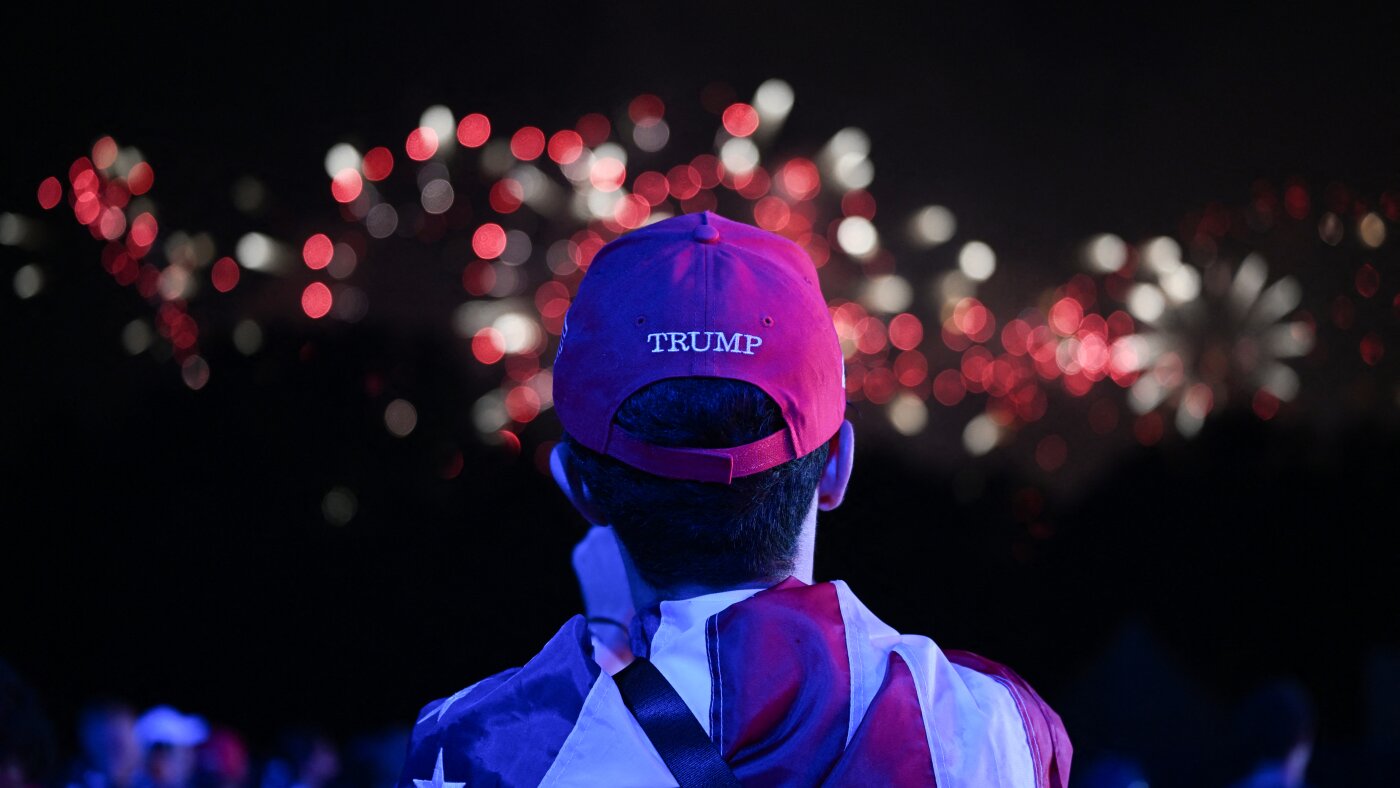
The newsletter summarizes multiple stories from July 4–5, 2026: In Washington, President Trump delivered a late-night Independence Day speech on the National Mall that praised U.S. history, defended his conduct in the conflict with Iran, criticized Democrats, and said he would seek restrictions on mail-in ballots; the event included a large fireworks display and occurred amid storm-related evacuations and marches by the white nationalist group Patriot Front and counterprotesters. New York City Mayor Zohran Mamdani offered a contrasting vision of America. Iran held the funeral for Supreme Leader Ayatollah Ali Khamenei — who, along with four family members, was reported killed four months earlier in U.S.-Israeli airstrikes — drawing large crowds; a shaky truce between the U.S. and Iran remains in effect but indirect talks to resolve the conflict are paused until after the funeral, and Israel has not been included in the preliminary agreement. The U.S. men’s national soccer team was set to face Belgium in the World Cup round of 16; FIFA’s Disciplinary Committee postponed striker Folarin Balogun’s one-game suspension for a one-year probationary period after President Trump reportedly spoke to FIFA President Gianni Infantino, allowing Balogun to play. Separate items summarized: rising restaurant prices are reducing dining-out frequency (YouGov); U.S. Immigration and Customs Enforcement detained three young immigrants near Morrisonville, Illinois, after local police dropped them off; and Typhoon Bavi approached Guam. The newsletter notes continuing reporting and open questions about the immigration incident.
Biblical Reflection
This dispatch brings together civic celebration, political rhetoric, armed conflict, institutional intervention, and local justice concerns. Christians should note several layers of moral risk: patriotic observance can easily slide into triumphalism when mixed with military boasting; political leaders who seek personal credit or influence over civic institutions (including international bodies like FIFA) raise questions about fairness and the proper limits of power; and the ongoing U.S.–Israel–Iran violence, with its high human cost and paused negotiations, calls for sober attention to the real consequences of war. The immigration detentions and protest activity highlight the vulnerability of neighbors at the margins and the need for accountable, transparent civic processes. The article largely reports facts but compresses many stories into a single roundup, which can flatten complexity and obscure cause-and-effect (for example, the full sequence and legal basis of the Khamenei killing, or the legal mechanisms behind Balogun’s suspension change). Christians should pursue truth and mercy together: seek verified facts, resist cheering violence as national glory, advocate for due process and care for the vulnerable, and press leaders toward humility and peacemaking rather than maximal demonstrations of power.
Scripture in context
This outlook does not yet include contextual Scripture citations. Do not treat a general biblical theme as an exegetical conclusion.
Faithful Response
No prescribed response is offered. Consider the reflection prompts below in your own church context.
Reflection and Discussion
- 1When political celebration and military action are linked in public rhetoric, what signs should Christians look for that distinguish patriotism from triumphalism?
- 2How should Christians evaluate the appropriate limits of political influence when leaders intervene in independent institutions or disciplinary processes?
- 3What does this collection of stories reveal about whose safety and dignity are prioritized in our public life, and how should that shape our civic prayers and actions?
Sources
Reporting links are evidence inputs; Sanctuary News' biblical reflection is commentary.
This outlook currently relies on fewer than two linked sources. Broaden verification before teaching from it.
- 1.Original reportprimary