News Summary
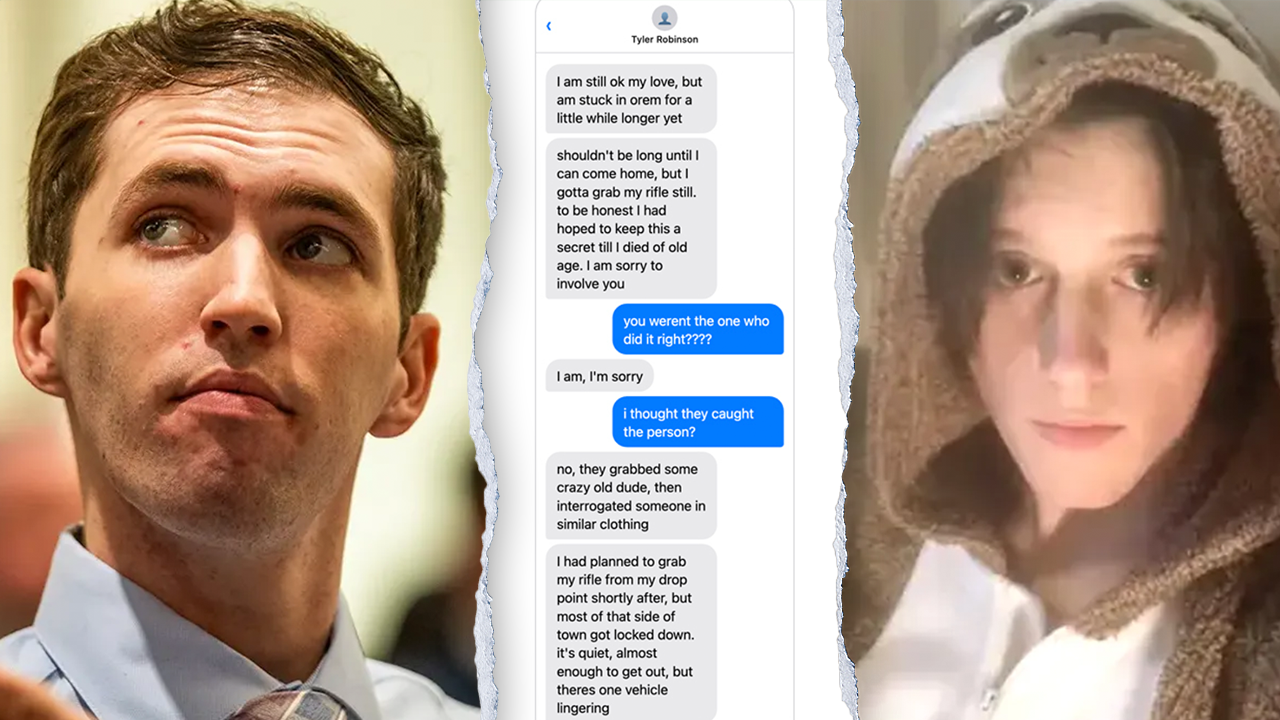
At a preliminary hearing, a Utah State Bureau of Investigation agent read portions of text messages that prosecutors say were sent by Tyler Robinson to his former roommate, Lance Twiggs, shortly after the Sept. 10, 2025, shooting of conservative activist Charlie Kirk outside a "Prove Me Wrong" event at Utah Valley University in Orem. In the messages attributed to Robinson, he allegedly admitted to the shooting, apologized, and stated a motive that he "had enough of his hatred." The texts, as read in court, describe planning of the attack over about a week, mention a rifle left in a bush because of concerns about fingerprints and changing clothes, reference engraved bullets, and include instructions to delete the exchange. Robinson reportedly told Twiggs he planned to turn himself in and advised him to request a lawyer; the messages also name a lawyer. Prosecutors presented the text exchange as evidence while continuing their case against Robinson, who is charged in the killing. The hearing testimony represents allegations and evidence introduced by prosecutors; no verdict is reported in this article.
Biblical Reflection
This report presents court testimony describing alleged confessions and motive; it is important to distinguish allegations in a preliminary hearing from a final verdict. The alleged motive—responding to perceived "hatred" with lethal violence—exposes a worldview that substitutes personal vengeance for lawful justice and dehumanizes those seen as ideological opponents. Media coverage that highlights political labels and partisan identity can deepen division and fuel tribal responses; Christians should be cautious about allowing partisan framing to shape their immediate judgments. From a biblical and pastoral perspective, the facts call us to insist on due process, to mourn the loss of life, and to reject violence as a means of settling disputes. At the same time, we must avoid rushes to condemnation or excusing wrongdoing: true justice seeks truth and protects the vulnerable, while mercy and repentance remain central to the Christian response. Pray for truth to come out in the legal process, for protection of the bereaved, and for communities not to be consumed by retaliatory rhetoric or further harm.
Scripture in context
This outlook does not yet include contextual Scripture citations. Do not treat a general biblical theme as an exegetical conclusion.
Faithful Response
No prescribed response is offered. Consider the reflection prompts below in your own church context.
Reflection and Discussion
- 1Am I treating testimony and charges as settled fact, or am I allowing the legal process to determine guilt and evidence?
- 2How does partisan labeling of victims and suspects shape our empathy, and are we tempted to mirror the dehumanization that fuels political violence?
- 3Are we calling for justice in ways that also uphold mercy, nonviolence, and the rule of law?
Sources
Reporting links are evidence inputs; Sanctuary News' biblical reflection is commentary.
This outlook currently relies on fewer than two linked sources. Broaden verification before teaching from it.
- 1.Original reportprimary