News Summary
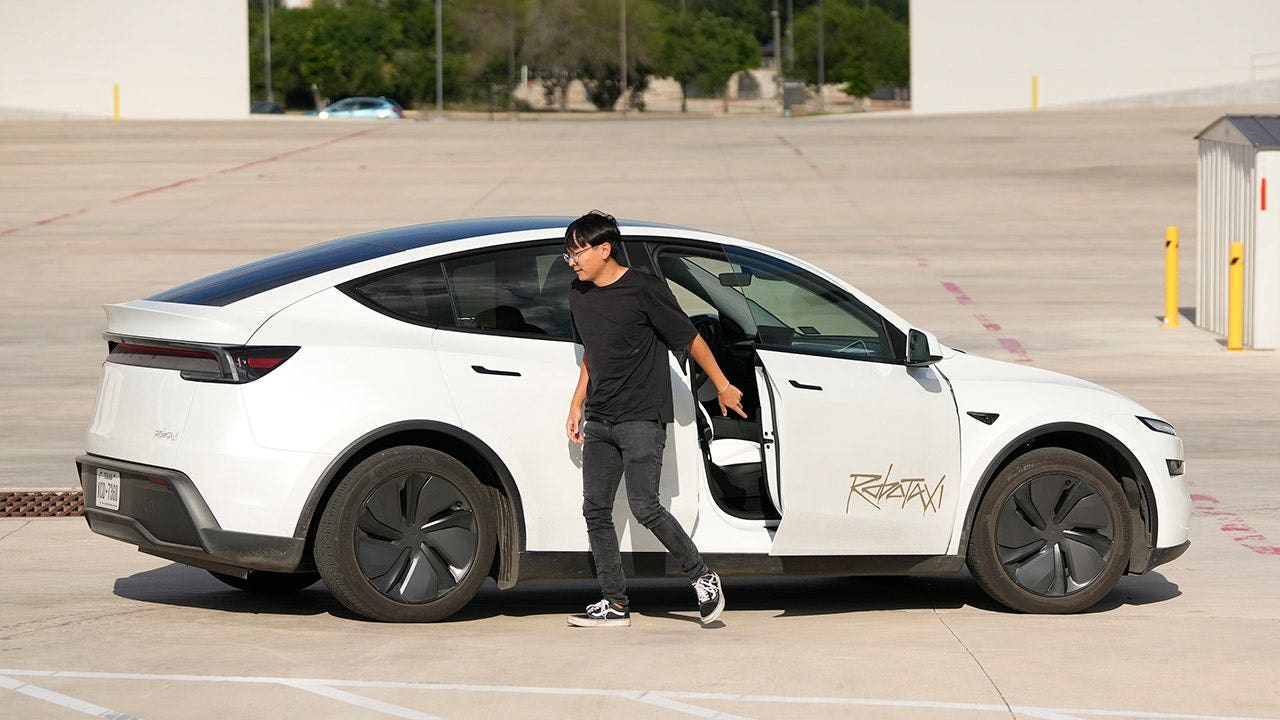
Tesla has begun offering its Robotaxi service in a limited geofenced area of Miami covering neighborhoods around West Miami, a corridor toward Doral and Sweetwater, and excluding downtown Miami, Miami Beach, Miami International Airport and most of Miami‑Dade County. The service is already available in parts of Austin, Dallas and Houston and uses Model Y vehicles; Tesla says rides are requested and managed through a mobile Robotaxi app that shows available coverage and pricing. The National Highway Traffic Safety Administration (NHTSA) is scrutinizing robotaxi safety broadly and has documented instances of autonomous vehicles driving into active emergency scenes and blocking first responders; it says an AV that cannot safely interact with first responders poses a public danger and will meet with robotaxi developers to discuss solutions. Federal reports include 17 crash narratives tied to Tesla’s Robotaxi program, and other AV programs (e.g., Waymo) have faced recalls or operational limits related to construction zones and similar challenges. The article notes competition from Waymo and Amazon’s Zoox, emphasizes the limited scope of Miami’s launch, and urges riders to check the app, keep their phones charged, and remain attentive during trips.
Biblical Reflection
The article mostly reports factual developments — a careful, geographically limited commercial rollout by Tesla and continuing federal safety scrutiny. Its framing mixes practical user advice with promotional curiosity about the technology while acknowledging unresolved safety risks. From a Christian vantage point, technological progress can reflect human creativity and stewardship, but it must be measured by truth-telling, protection of vulnerable neighbors, and accountability. The NHTSA’s concerns about AVs entering active emergency scenes raise a clear moral issue: public safety and first‑responder access must not be compromised for convenience or competitive advantage. There is also an ethical dimension in how rollout decisions are made — who gains early access, how transparent companies are about incidents, and whether workers and communities affected by automation are considered. Christians should welcome innovations that reduce harm and serve the common good, but we should press for humility from developers and regulators: thorough testing, full disclosure of safety data, rapid correction of dangerous behavior, and policies that protect both riders and non‑riders (including emergency personnel). In short, celebrate imagination, but demand integrity, mercy for those harmed, and wise stewardship of public trust.
Scripture in context
This outlook does not yet include contextual Scripture citations. Do not treat a general biblical theme as an exegetical conclusion.
Faithful Response
No prescribed response is offered. Consider the reflection prompts below in your own church context.
Reflection and Discussion
- 1Who benefits from early robotaxi rollouts and who bears the risks when systems behave unpredictably?
- 2Are companies and regulators being transparent about incidents and testing data so the public can assess true safety?
- 3Does this rollout prioritize convenience and market advantage over the practical safety needs of first responders and other road users?
Sources
Reporting links are evidence inputs; Sanctuary News' biblical reflection is commentary.
This outlook currently relies on fewer than two linked sources. Broaden verification before teaching from it.
- 1.Original reportprimary