News Summary
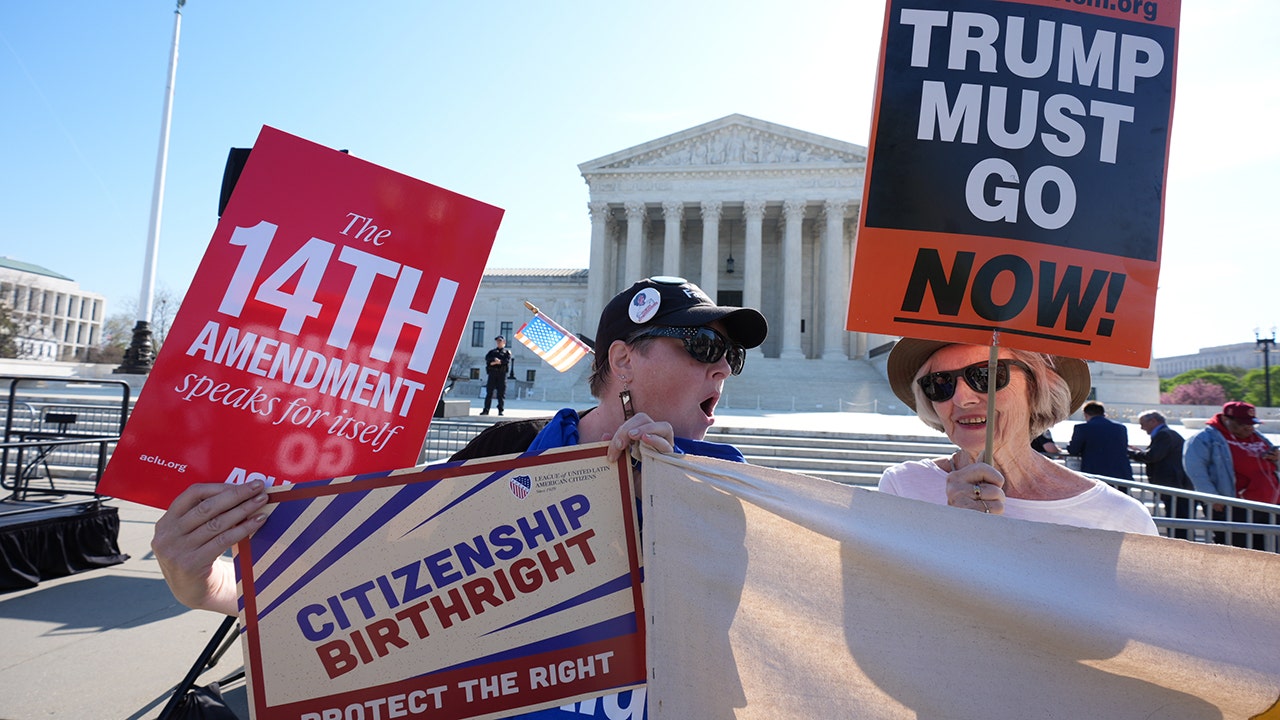
The U.S. Supreme Court rejected President Donald Trump’s effort to eliminate birthright citizenship, preserving the long-standing interpretation that most children born in the United States are automatically citizens, including those born to parents who are unlawfully or temporarily present. The decision blocks an executive order Trump issued on his first day in office seeking to end birthright citizenship. Multiple lawsuits followed the order; the ACLU filed a nationwide class-action on behalf of affected families, including a Honduran plaintiff identified as “Barbara.” The reporting notes the ruling is a political setback for Trump and that other high-profile opinions (such as on transgender athletes) were also being released on the Court’s final day of the term. The story is described as developing.
Biblical Reflection
This ruling affirms a settled constitutional interpretation and limits unilateral executive action on citizenship—an outcome that safeguards legal status and family stability for children born in the U.S. The article’s framing centers political consequence (“major setback”) which highlights partisan impact more than the legal reasoning or the lived effects on families. Christians should note two truths: the rule of law matters for protecting the vulnerable and preserving civic order, and political contests over immigration often reduce people to policy points. The piece is factually straightforward but lacks broader legal context and voices of those directly affected; readers should be attentive to how coverage emphasizes political drama over human dignity. The Christian response is to uphold truth and legal integrity while showing mercy to immigrants and seeking policies that balance justice, security, and neighbor-love.
Scripture in context
This outlook does not yet include contextual Scripture citations. Do not treat a general biblical theme as an exegetical conclusion.
Faithful Response
No prescribed response is offered. Consider the reflection prompts below in your own church context.
Reflection and Discussion
- 1How does labeling the decision a "major setback" prime you to view the Court’s ruling as political rather than legal, and whose interests might that framing obscure?
- 2What does this ruling reveal about checks and balances, and how should Christians weigh respect for lawful institutions with compassion for people affected by immigration policy?
- 3Whose stories and consequences are missing from this coverage, and how would centering those human experiences change our understanding of the decision?
Sources
Reporting links are evidence inputs; Sanctuary News' biblical reflection is commentary.
This outlook currently relies on fewer than two linked sources. Broaden verification before teaching from it.
- 1.Original reportprimary