News Summary
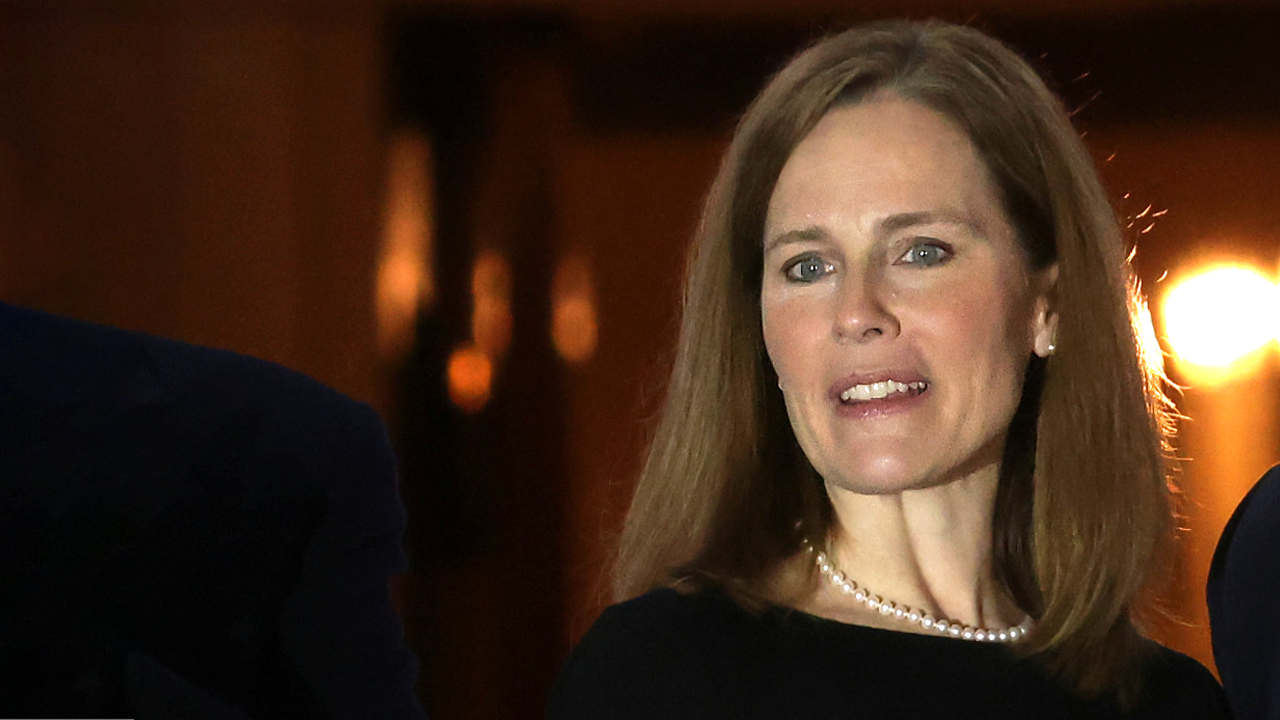
In a Supreme Court decision in the case identified in reporting as involving the Trump administration, a majority of justices—including Chief Justice John Roberts and Justice Amy Coney Barrett—rejected the administration's executive order and held that the 14th Amendment grants citizenship to persons born on U.S. soil. Justice Samuel Alito filed a dissent calling the ruling a serious mistake. The majority resolved the case on constitutional grounds rather than a narrower statutory basis, which commentators say limits Congress's immediate ability to change the rule. Opinion writer Michael R. Davis criticized the majority for joining the outcome and argued the decision undermines sovereignty and national security; he urged aggressive immigration enforcement, including mass deportations, ending certain public benefits to undocumented immigrants, and litigation to denaturalize or remove noncitizens. The article contains comparisons to prior landmark rulings, contends the decision will incentivize birth tourism and illegal immigration, and calls for legislative or constitutional responses. The piece is opinion commentary, not neutral reportage, and it quotes or references public reactions including Senator Rand Paul and Justice Alito's dissenting language.
Biblical Reflection
This article is an opinion piece reacting to a consequential court ruling. Its central truth claim—that the Supreme Court interpreted the 14th Amendment to confer citizenship on most persons born in the United States—accurately reports the court's holding and the scope of the decision. However, the piece uses hyperbolic language and moral certainty to portray that legal interpretation as tantamount to national destruction, and it advances policy prescriptions that raise serious moral questions. The framing treats children born in the U.S. as political instruments and recommends punitive measures (including mass deportation of women of childbearing age) that conflict with basic Christian commitments to the dignity of persons, care for the vulnerable, and justice. At the same time, the article raises legitimate civic questions about how a constitutional ruling intersects with immigration policy, national security, and democratic processes; Christians can and should debate those policy implications vigorously. Practically, faithful discernment requires distinguishing between lawful, rights-respecting tools for policy change and rhetoric that dehumanizes or scapegoats people. Christian wisdom calls for truthful engagement with legal arguments, humility about judicial reasoning, courage to pursue public policies that protect the common good, and mercy toward immigrants and children who are innocent of political debates.
Scripture in context
This outlook does not yet include contextual Scripture citations. Do not treat a general biblical theme as an exegetical conclusion.
Faithful Response
No prescribed response is offered. Consider the reflection prompts below in your own church context.
Reflection and Discussion
- 1Does this coverage treat children born in the U.S. as persons with inherent dignity, or as political instruments—how does that shape the proposed remedies?
- 2How does fear-based rhetoric affect public judgment about legal decisions, and are the article's policy prescriptions consistent with justice and mercy?
- 3What lawful, democratic pathways (legislation, advocacy, or constitutional amendment) can Christians pursue that protect national security while respecting human dignity?
Sources
Reporting links are evidence inputs; Sanctuary News' biblical reflection is commentary.
This outlook currently relies on fewer than two linked sources. Broaden verification before teaching from it.
- 1.Original reportprimary