Pastoral Outlook
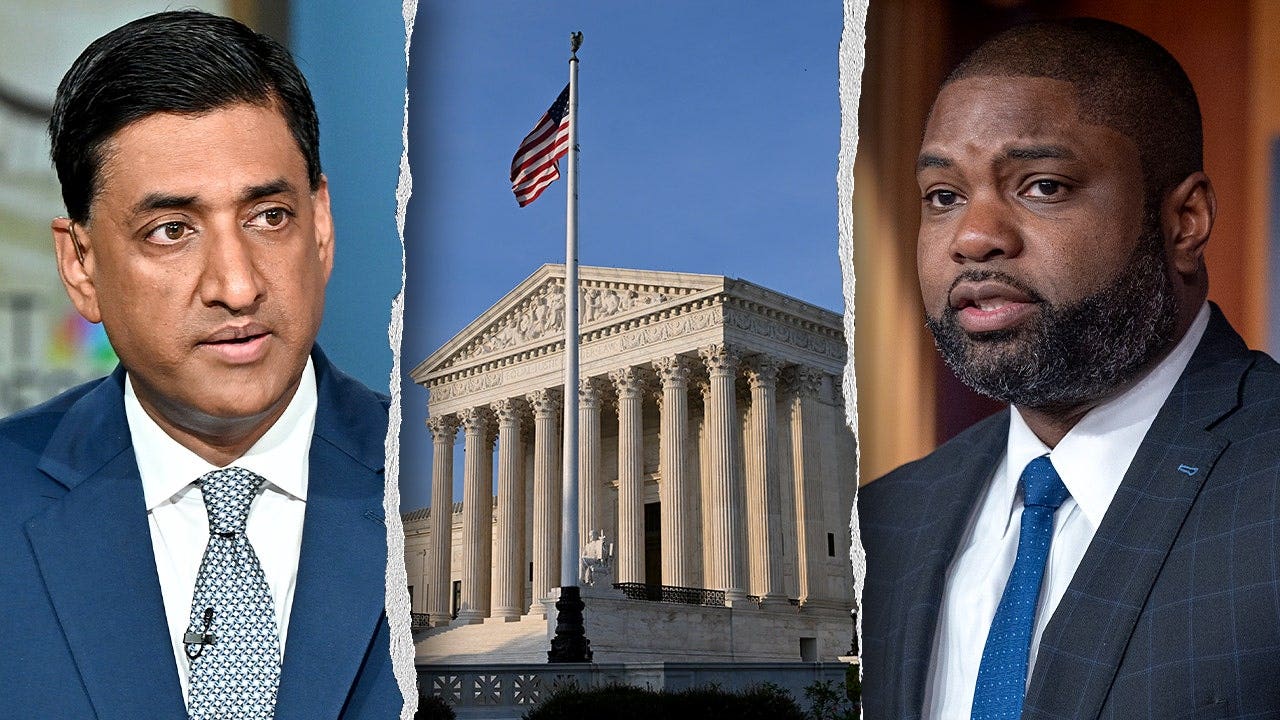
The Supreme Court ruled 6–3 against President Donald Trump’s executive effort to end birthright citizenship, thereby allowing children born in the United States to continue to be recognized as U.S. citizens under the 14th Amendment. The case challenged an executive order seeking to detach birthright citizenship from the constitutional text. Justices Clarence Thomas, Neil Gorsuch and Samuel Alito dissented, arguing the 14th Amendment does not extend citizenship to children born to unlawfully or temporarily present parents; Alito warned of "birth tourism" and potential security concerns. Lawmakers reacted along party lines in the coverage: several Republican members called for congressional fixes to address birth tourism and criticized the decision, while Democratic members praised the Court for upholding the Constitution. The article quotes multiple representatives on both sides and frames the ruling as a setback for the president’s immigration agenda.
This ruling raises clear legal and moral questions that require both fidelity to law and compassion for people affected. Objectively, the Court has reaffirmed a constitutional reading that protects children born here; Christians should welcome respect for lawful processes and the safeguarding of vulnerable children who depend on legal status for schooling, healthcare, and community belonging. At the same time, some public language in the debate — talk of "birth tourism," political blame, and calls for swift legislative fixes — risks reducing human beings to policy problems or partisan symbols. A Christian response resists scapegoating, insists on truth and due process, and calls lawmakers to pursue measured, transparent legislative solutions rather than extra-legal shortcuts. In judging media framing, note that emphasis and word choice (e.g., "magnet," "obsession") shape fear or relief; wise discernment asks whether coverage centers the rule of law and human dignity or political advantage. Ultimately, Christians should hold both to the rule of law and to mercy for strangers and children who cannot choose their birthplace.Thought to Remember
“Uphold lawful justice without losing compassion for the vulnerable—children’s dignity transcends partisan advantage.”