News Summary
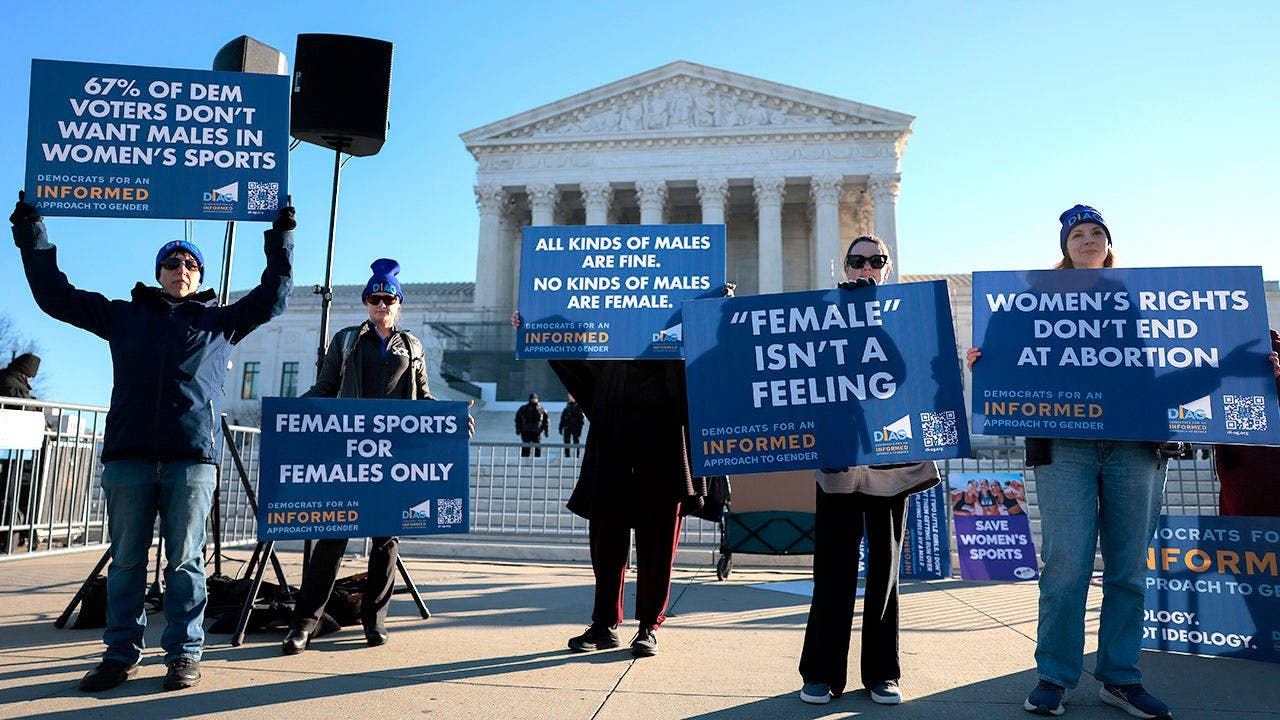
The article reports reactions and next steps following a recent U.S. Supreme Court decision about transgender athletes in women’s sports. It quotes female athletes (Madison Kenyon, Adaleia Cross, Soleil Hoefer) and Alliance Defending Freedom (ADF) leaders who say many states still allow transgender-identifying males to compete on girls’ teams. The piece states there are 23 states without laws keeping biological males out of women’s sports, 19 of which it says have policies that allow such participation; it contrasts those with 27 states that have sex-based protections and a small group of states where agencies or athletic associations impose sex-based restrictions. The article recounts allegations made in several lawsuits and news reports — including a Washington family’s lawsuit alleging a biological male sexually assaulted a female wrestler during a girls’ match (the accused’s side and some school-investigations are reported as denying or finding allegations unsubstantiated) — and cites plaintiffs and ADF attorneys who argue harms go beyond competitive fairness to privacy and safety. It describes litigation strategy by ADF to pursue cases in states such as Vermont and Washington, notes ongoing suits by private plaintiffs seeking damages (examples: Riley Gaines v. NCAA; Brooke Slusser v. San Jose State), and references the NCAA’s 2025 policy limiting women’s competition to athletes assigned female at birth. The article also cites a 2025 Gallup poll (69% of U.S. adults said transgender athletes should be allowed to play only on teams matching their birth sex), mentions the U.S. Department of Justice under the Trump administration suing some states over their policies, and describes a $566,000 settlement paid to Mid Vermont Christian School after it was barred from competitions in a dispute tied to a forfeit over a transgender athlete. The piece includes comments from state officials, coaches, and plaintiffs urging more legal and cultural action to protect girls’ sports, while noting some allegations remain contested or legally unresolved.
Biblical Reflection
From a Christian pastoral perspective, this story raises two converging concerns: protecting vulnerable persons and exercising justice with charity. The article documents genuine legal shifts and real personal accounts from female athletes who say their safety, privacy, and competitive opportunities were harmed; those reports deserve careful attention and thorough investigation. At the same time, some claims mentioned are contested, and the reporting centers advocacy groups and plaintiffs whose mission is to change law and culture. Christians should note the article’s posture: it emphasizes risk and injury to girls and advances a rights-based, sex-distinction framework supported by conservative legal advocates. That framing is not inherently wrong — Scripture repeatedly calls God’s people to protect the vulnerable and seek justice — but Christians should also resist quick conclusions that treat unproven allegations as settled facts or that dismiss the dignity and pastoral needs of transgender people. Christian wisdom asks us to pursue truth (fact-finding and due process), mercy (compassion for every person involved), humility (recognizing complexity), and neighbor-love (protecting girls’ bodily privacy and fair opportunities while avoiding dehumanization). Public policy and church witness should aim to protect safety and fairness without simplifying complex medical, legal, and pastoral realities into fear-driven narratives. Finally, the article reveals an underlying worldview that privileges legal remedies and cultural persuasion together; believers should weigh both avenues but prioritize protecting persons today while advocating for policies grounded in evidence, justice, and love.
Scripture in context
This outlook does not yet include contextual Scripture citations. Do not treat a general biblical theme as an exegetical conclusion.
Faithful Response
No prescribed response is offered. Consider the reflection prompts below in your own church context.
Reflection and Discussion
- 1Which claims in this coverage are supported by court findings or settled evidence, and which remain allegations or contested reports?
- 2How do our assumptions about sex, gender, privacy, and safety shape what policies we consider just and merciful?
- 3Are legal remedies enough to address the harms raised, or must churches, schools, and communities also provide pastoral care and practical protections?
Sources
Reporting links are evidence inputs; Sanctuary News' biblical reflection is commentary.
This outlook currently relies on fewer than two linked sources. Broaden verification before teaching from it.
- 1.Original reportprimary