News Summary
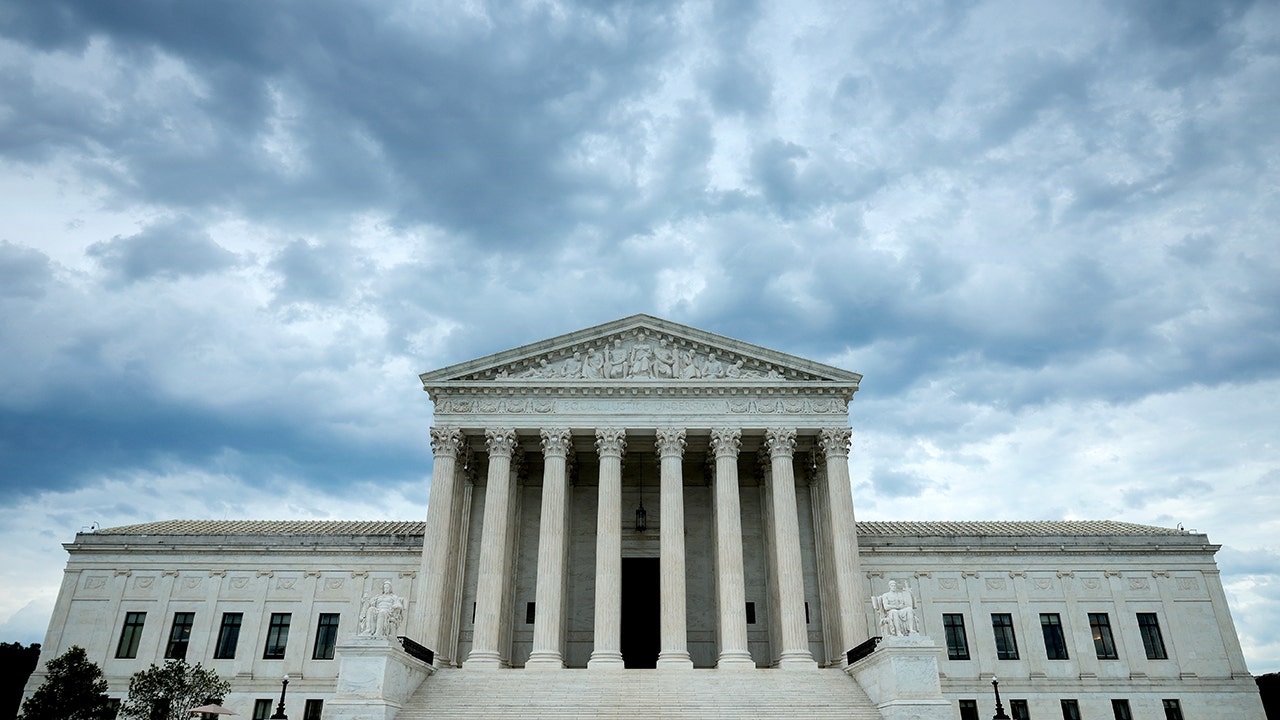
The U.S. Supreme Court issued two 6-3 decisions in cases arising from challenges to federal immigration policy. In Mullin v. Al Otro Lado, the Court's majority, led by Justice Samuel Alito, held that certain noncitizens stopped on the far side of the southern border are not legally "in" the United States for purposes of making an asylum claim; Justice Sonia Sotomayor dissented. In Mullin v. Doe, the Court upheld the administration's authority to rescind Temporary Protected Status (TPS) for groups of nationals, a move reported to affect more than 356,000 Syrian and Haitian beneficiaries in this article. The opinions were sharply divided on statutory interpretation and judicial deference to executive immigration decisions; the releases included an extended dissent and an on-bench rebuttal. The article frames these rulings as significant restorations of executive discretion over border and immigration enforcement and comments on broader policy implications such as case backlogs, asylum acceptance rates, and administrative approaches to processing migrants at the border.
Biblical Reflection
From a Christian perspective, these rulings raise tensions between the rule of law, responsible governance, and care for vulnerable people. The Court's focus on statutory language and deference to executive authority reflects a legalist approach that emphasizes clear rules and institutional competence; proponents argue this restores orderly process and national sovereignty. Critics emphasize the moral obligation to protect those fleeing persecution and warn that limiting access to asylum and revoking temporary protections can expose vulnerable people to grave harm. The article is an opinion piece with a conservative frame: it highlights executive authority and border control while using selective statistics and charged language (e.g., "unvetted immigrants") that reflect a particular policy viewpoint. A biblically shaped response affirms both the need for lawful, orderly governance (which protects the common good) and the command to welcome and protect the stranger. Christians should be wary of simplistic binary claims—either total openness or absolute closure—and instead press for policies that respect legal procedures, protect the vulnerable, and steward national resources wisely. Practically, that means supporting humane, transparent adjudication, adequate court and administrative capacity, and humanitarian safeguards for those with legitimate claims.
Scripture in context
This outlook does not yet include contextual Scripture citations. Do not treat a general biblical theme as an exegetical conclusion.
Faithful Response
No prescribed response is offered. Consider the reflection prompts below in your own church context.
Reflection and Discussion
- 1How does the legal framing of a single word shape real human outcomes, and what assumptions about people and policy are embedded in that framing?
- 2When a court emphasizes deference to executive authority, whose burdens and protections are most likely to be advanced or diminished?
- 3Are the statistics and language used in policy debates (e.g., "unvetted" or low acceptance rates) presented with sufficient context to judge both legal validity and human need?
Sources
Reporting links are evidence inputs; Sanctuary News' biblical reflection is commentary.
This outlook currently relies on fewer than two linked sources. Broaden verification before teaching from it.
- 1.Original reportprimary