News Summary
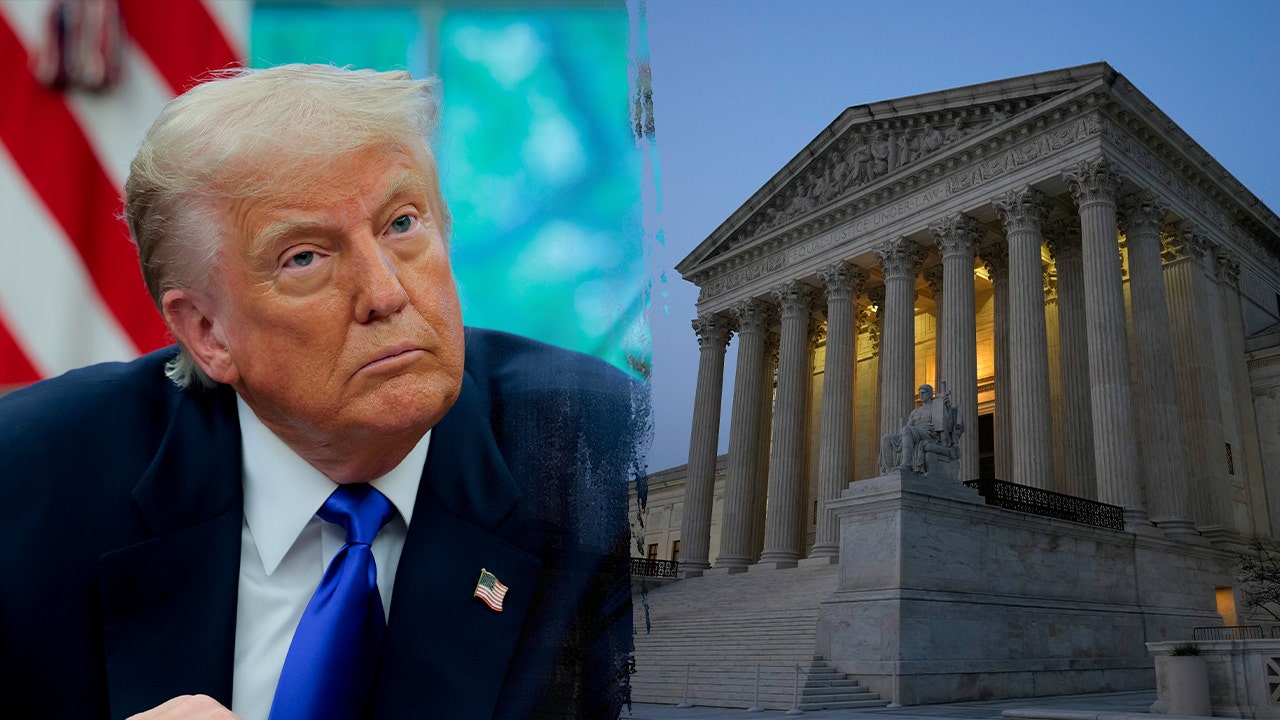
The U.S. Supreme Court issued two decisions that limit avenues for migrants seeking relief. In Mullin v. Al Otro Lado, the Court held that migrants who are stopped and turned away at the southern border before entering U.S. territory do not legally “arrive in” the United States and therefore cannot apply for asylum under statutes that protect those who arrive. In Mullin v. Doe, the Court held that certain Temporary Protected Status (TPS) recipients — specifically Haitian and Syrian nationals challenging the termination of their TPS designations — are not entitled to judicial orders postponing the terminations while litigation proceeds, because the TPS statute precludes judicial review of non-constitutional claims about termination. Justice Samuel Alito wrote the opinions. Department of Homeland Security officials and administration advocates framed the rulings as tools to limit asylum claims and restore the temporary nature of TPS; the article includes reactions and asserts the decisions remove legal obstacles to the administration’s immigration enforcement goals.
Biblical Reflection
From a Christian pastoral perspective, these rulings reflect a legal emphasis on territorial and statutory definitions that narrows access to protection for people on the move. The Court's reasoning prioritizes textual legal boundaries (who has 'arrived' and what claims courts may review) over broader humanitarian considerations in these particular cases. The article’s framing — emphasizing administration 'victories' and quoting DHS officials — reveals a pro-enforcement perspective and gives limited space to migrant experiences or humanitarian concerns. Truthfully, the decisions are significant legal shifts: they do not create an absolute bar to all forms of relief but do constrain specific pathways that many migrants and TPS holders have relied on. Pastoral discernment calls Christians to hold together two truths: the legitimate role of law and border control, and the biblical call to show mercy to vulnerable people. That tension invites faithful public engagement: seeking lawful, orderly systems that also protect families fleeing danger and preserving avenues for fair review where constitutional rights may be implicated. Beware of media frames that convert complex legal rulings into simple partisan 'wins' without attending to human consequences.
Scripture in context
This outlook does not yet include contextual Scripture citations. Do not treat a general biblical theme as an exegetical conclusion.
Faithful Response
No prescribed response is offered. Consider the reflection prompts below in your own church context.
Reflection and Discussion
- 1Whose voices are centered or missing in coverage of these legal rulings — the government, the courts, or the migrants themselves?
- 2How does tightening legal definitions (like who has 'arrived') reshape real human access to protection, and what unintended harms might follow?
- 3When courts limit judicial review of administrative decisions, how should Christians weigh respect for legal processes against the call to advocate for the vulnerable?
Sources
Reporting links are evidence inputs; Sanctuary News' biblical reflection is commentary.
This outlook currently relies on fewer than two linked sources. Broaden verification before teaching from it.
- 1.Original reportprimary