News Summary
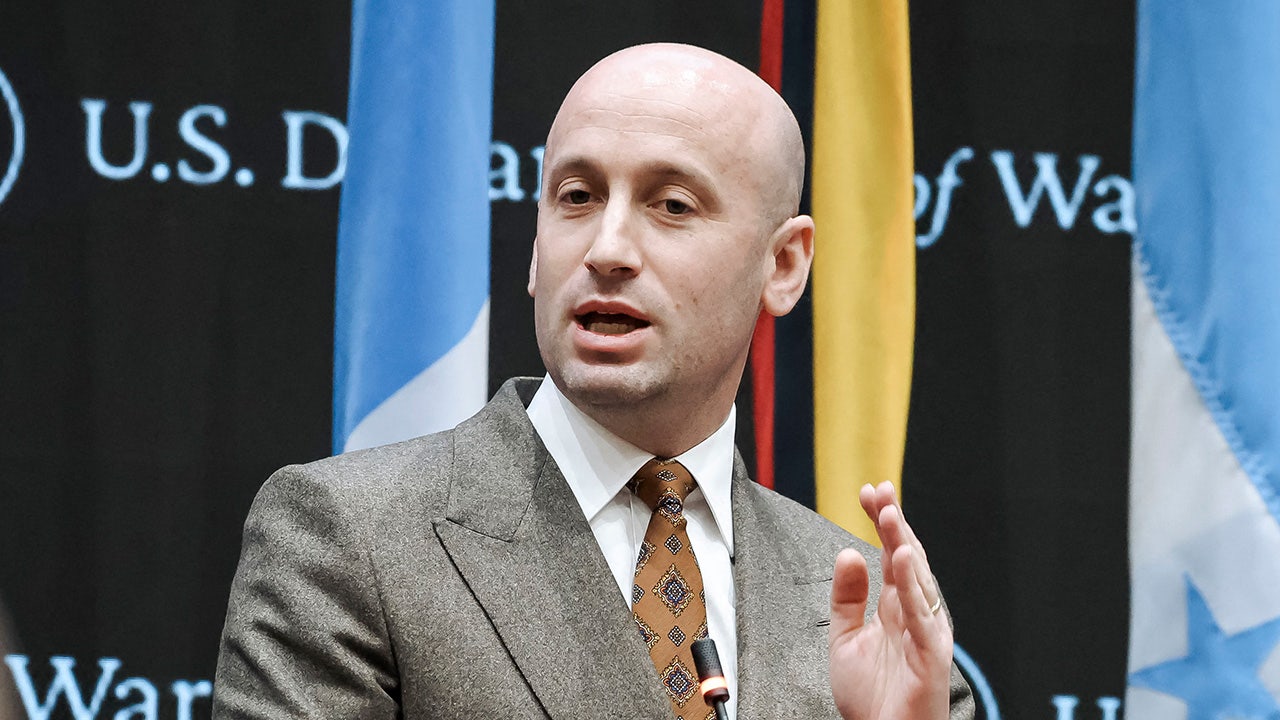
Stephen Miller, White House Deputy Chief of Staff for Policy, publicly paid tribute to the late Sen. Lindsey Graham, calling him a personal friend and "the most effective, consistent advocate for the president's agenda in the Senate." Miller praised Graham's rhetorical skill, generosity, and willingness to assist the Trump administration. The article notes Graham's long record of urging U.S. international engagement. A preliminary cause of death released by Graham's office said he died from an aortic dissection due to arteriosclerotic cardiovascular disease. South Carolina Gov. Henry McMaster appointed Graham's sister, Darline Graham Nordone, to serve the remainder of his term; it is unknown whether she will run for a full term. Republicans Nancy Mace and Ralph Norman are mentioned as rumored potential candidates for the forthcoming special election; state law requires a primary on Aug. 11.
Biblical Reflection
Seen through a Christian lens, the piece combines genuine grief and political framing. The article accurately reports Miller's statements and basic facts about Graham's death and the interim appointment, but its tone centers praise and personal loyalty, a common tendency in posthumous political coverage that can obscure a fuller view of a public figure's record. Christians are called to truthful remembrance: to offer compassion for the bereaved, to acknowledge the good a person did, and also to soberly assess public legacy without settling into partisan hagiography. The article reflects a worldview that values rhetorical influence and political alliance; a faithful response asks for humility, honesty about complexity, and prayerful concern for institutional stability and the family affected.
Scripture in context
This outlook does not yet include contextual Scripture citations. Do not treat a general biblical theme as an exegetical conclusion.
Faithful Response
No prescribed response is offered. Consider the reflection prompts below in your own church context.
Reflection and Discussion
- 1Which aspects of Sen. Graham's life and record are being emphasized here, and which are left out when political figures are remembered?
- 2How does partisan loyalty shape the language used in tributes, and how should Christians hold both grief and discernment in tension?
- 3What does this transition — temporary appointment and an upcoming primary — reveal about how political institutions respond to sudden loss?
Sources
Reporting links are evidence inputs; Sanctuary News' biblical reflection is commentary.
This outlook currently relies on fewer than two linked sources. Broaden verification before teaching from it.
- 1.Original reportprimary