News Summary
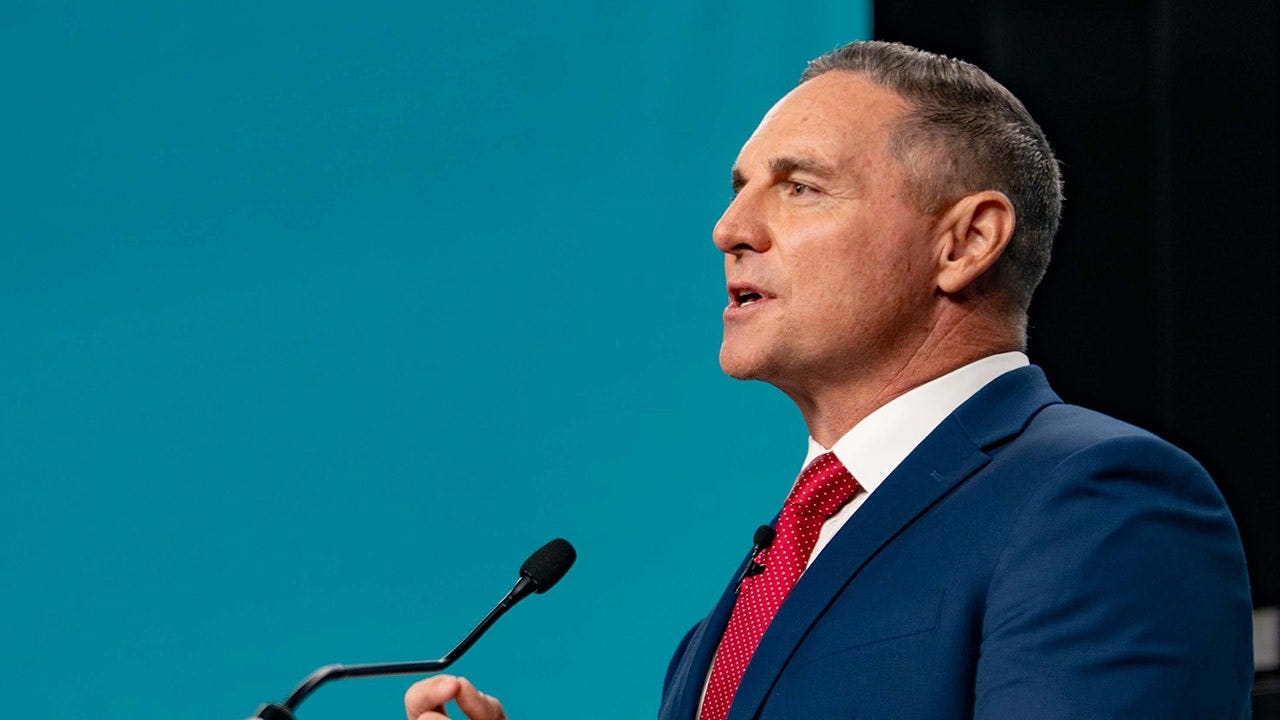
Jay Feely, a former NFL kicker turned broadcaster, is running as a Republican for Arizona’s 1st Congressional District to replace outgoing Rep. Andy Biggs. Feely is a Trump-endorsed, self-described conservative who lists border security, protecting freedoms, and regulating NIL in college sports among his priorities. Federal Election Commission records show contributions to Feely’s campaign from several prominent sports figures and executives, including NFL Commissioner Roger Goodell (two $3,500 donations, one for the primary and one for the general), Charles Barkley, New England Patriots owner Robert Kraft, broadcaster Jim Nantz, then-Ravens head coach Jim Harbaugh ($2,500), and members of the Bidwill family (combined $17,000). The National Republican Congressional Committee reported Feely’s campaign raised $740,000 in Q1 2026, and commission records estimated his cash on hand at about $1.25 million as of late March. Feely faces primary opponents Joseph Chaplik and John Trobough; Arizona’s primary is July 21, 2026.
Biblical Reflection
Seen through a Christian lens, this story raises familiar tensions: civic involvement by public figures can be a healthy part of democracy, but significant donations from sports owners and celebrities also invite questions about influence, interests, and transparency. The article is factual about donors and fundraising but frames the narrative around prominent names—this can amplify personality over policy. The underlying worldview presented is one where relationships and reputation in a private sphere (professional sports) translate into political capital; that is not inherently wrong, but it requires scrutiny. Christians should welcome citizens—regardless of celebrity—participating in public life, while also demanding integrity, clear motives, and policies that serve the common good rather than narrow institutional advantage (for example, debates over NIL rules could affect donors’ business interests). Practice humility in judging motives, insist on truth and transparency in campaign finance, and pursue peace and neighbor-love by evaluating candidates on how their policies will protect and uplift vulnerable people, not merely who funds them.
Scripture in context
This outlook does not yet include contextual Scripture citations. Do not treat a general biblical theme as an exegetical conclusion.
Faithful Response
No prescribed response is offered. Consider the reflection prompts below in your own church context.
Reflection and Discussion
- 1What interests might sports owners or executives have in a candidate’s policy positions, and how should that shape our evaluation of their donations?
- 2Does the prominence of celebrity donors shift attention from the candidate’s policies and character to status and relationships?
- 3How can Christians balance welcoming civic participation with calling for transparency and stewardship in political giving?
Sources
Reporting links are evidence inputs; Sanctuary News' biblical reflection is commentary.
This outlook currently relies on fewer than two linked sources. Broaden verification before teaching from it.
- 1.Original reportprimary