News Summary
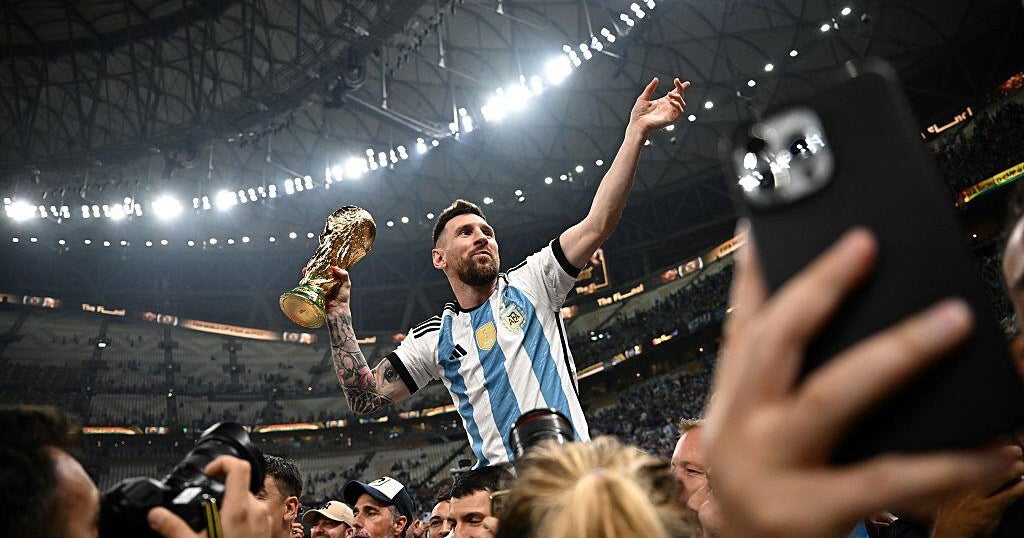
Reported facts: Spain and Argentina meet in the 2026 FIFA World Cup final at MetLife Stadium; this is presented as only the second World Cup meeting between them, the previous one in 1966 (Argentina won 2-1); Argentina has three World Cup titles (1978, 1986, 2022) and Spain has one (2010). The article recounts specific historical match results, describes famous moments (Maradona's 1986 'Hand of God', Argentina's 2022 final vs. France), and highlights contemporary storylines (Messi likely in his sixth World Cup; Lamine Yamal's first World Cup). Attributed claims and uncertainty: the article repeats allegations that Argentina's 1978 match vs. Peru was affected by veiled threats from the country's then-dictator; this is presented as an allegation rather than an established fact. Speculative language appears around whether this will be Messi's last World Cup.
Source and Framing Analysis
Source role: CBS News provides the primary account, contextualizing the final with historical summaries and human-interest details. Corroboration: Fox News and NPR offer complementary reporting focused on viewing logistics and the Messi/Yamal storyline. Missing voices: the article summarizes historical controversies (1978 Peru) without including Peruvian players, officials, historians, or primary documentation; it mostly centers Argentine and Spanish perspectives and star players. Incentives and framing: coverage favors memorable narratives (legacy, rivalry, generational transition) that engage broad audiences. Disputed claims needing verification: the allegation about Jorge Rafael Videla's intervention in 1978 requires primary documentation or sourcing; the statement that this is only the second World Cup meeting should be verified against official FIFA head-to-head records. Independent verification recommended for contested historical claims and for exact head-to-head history.
Free every morning
Get the Daily Briefing
The stories shaping today—sourced carefully and considered through Scripture. No outrage bait.
Confirm by email. Unsubscribe at any time.
Biblical Reflection
This article is straightforward sports reporting with human-interest framing: it highlights history, famous moments, and personalities. The coverage mixes factual recap (match results, tournament records) with packaged narratives (generational handoff, legacy of Messi). Readers should notice two tendencies: (1) hero-centric storytelling that elevates individual athletes and dramatic moments, which can encourage hero worship rather than sober admiration; and (2) brief treatment of contested historical claims (for example, the 1978 Peru match controversy) presented without documentation or voices from those directly affected. From a Christian perspective, celebrate the virtues visible in sport — discipline, teamwork, perseverance — while resisting idolatry of athletes or national triumphs. Also exercise mercy and humility when historical wrongdoing or political influence is mentioned: name harms accurately, seek the voices of those harmed, and hold history with truth rather than nostalgia. Use moments of shared national attention to practice neighbor-love: rejoice with those who rejoice, comfort those disappointed, and advocate fair treatment for all people involved.
Scripture in context
- 11 Corinthians 9:24-27 — Paul addresses the Corinthian church using athletic metaphors — runners, strict training, and competing for a crown — to illustrate disciplined self-control and intentional pursuit of the gospel. In its literary context, Paul contrasts the temporary prizes of worldly contests with the eternal purpose of the Christian life, urging believers to exercise self-discipline. — Sports achievement displays discipline and focus; Christians can celebrate those virtues but must avoid treating athletic 'crowns' as ultimate. The passage invites believers to practice discipline for kingdom ends (character, service, and witness) rather than for mere fame or idolization of success.
Faithful Response
Pray for players, coaches, families, and fans for safety, humility, and sportsmanship.
Resist idolizing athletes; name and celebrate virtues (discipline, teamwork) without making human figures ultimate authorities.
When historical controversies are reported, seek reliable sources and include the voices of those affected before forming conclusions.
Free every morning
Get the Daily Briefing
The stories shaping today—sourced carefully and considered through Scripture. No outrage bait.
Confirm by email. Unsubscribe at any time.
Reflection and Discussion
- 1Does the article prioritize hero narratives over structural or historical context, and how does that shape our understanding?
- 2Which voices are missing in accounts of historical controversies, and why does their absence matter for truth and justice?
- 3How does coverage of national sporting triumphs encourage identity formation, and what healthy boundaries should Christians keep?
Sources
Reporting links are evidence inputs; Sanctuary News' biblical reflection is commentary.
- 1.Spain and Argentina's World Cup trophy count before 2026 finalprimary_reporting
- 2.How to watch Argentina vs Spain: Live stream the 2026 FIFA World Cup final matchadditional_reporting
- 3.Argentina, Spain and their stars Lionel Messi and Lamine Yamal meet in World Cup finaladditional_reporting