News Summary
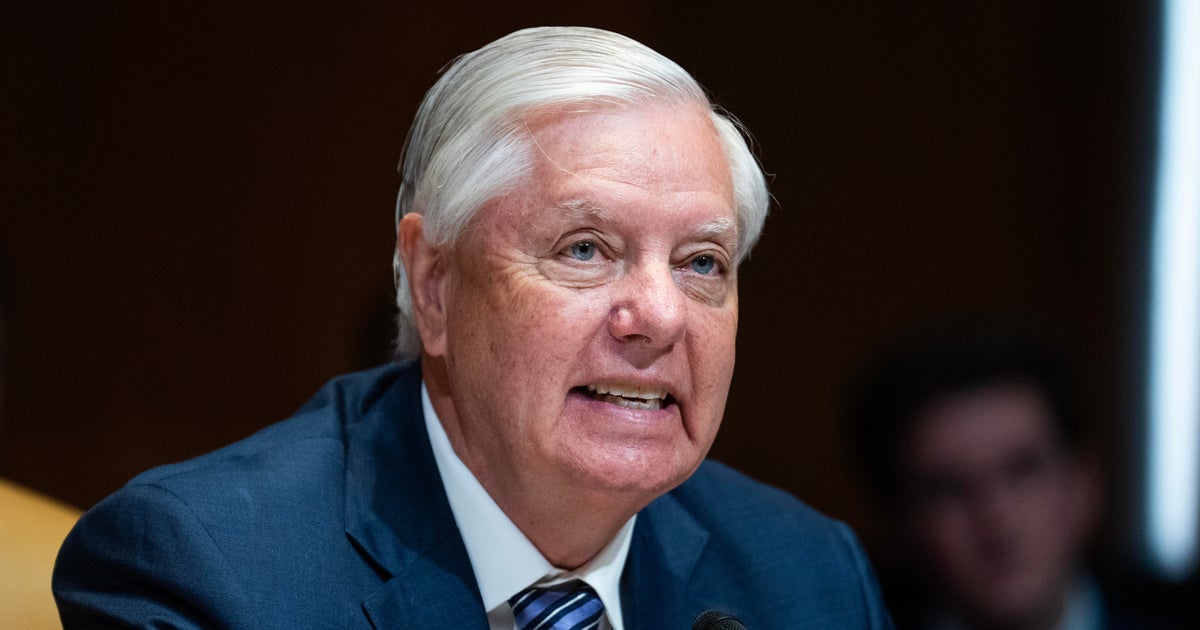
Sen. Lindsey Graham of South Carolina died suddenly at age 71; preliminary findings list aortic dissection due to arteriosclerotic cardiovascular disease. Governor Henry McMaster plans to appoint a temporary replacement to serve the remainder of Graham’s term (through Jan. 3, 2027); sources told CBS News the governor will appoint Graham’s sister, Darline Graham Nordone, and he is scheduled to announce the pick publicly. Separately, a special Republican filing window will run July 21–28 for candidates to enter a special primary on Aug. 11; if no candidate wins a majority, a runoff would be held Aug. 25. The special primary will decide which Republican advances to the Nov. 3 general election, where the GOP nominee will face Democrat Annie Andrews for a six-year Senate term. Several South Carolina Republicans have been floated as potential candidates, including Lt. Gov. Pamela Evette, Reps. Nancy Mace, Ralph Norman, and Russell Fry; Gov. McMaster could also run if a caretaker is appointed. Graham had won the June Republican primary with more than 56% of the vote and was seeking a fifth term. The article quotes reactions from some potential candidates and provides background on McMaster and the prospective candidates.
Biblical Reflection
The article reports a factual sequence of events: a sudden death, a legal appointment process, and an expedited electoral timetable. It focuses on candidates and political maneuvering rather than policy or public service priorities. From a Christian pastoral perspective, the coverage reveals common modern tendencies: an immediate pivot from grief to partisan calculation and an emphasis on 'who's up' rather than on mourning, stewardship, or the needs of constituents. Legally permissible appointments—especially when they involve a family member—can create perceptions of favoritism even if done in good faith; Christians should hold public leaders to standards of transparency and public trust while avoiding hasty judgment. The piece is not overtly misleading, but readers should notice the anonymous sourcing and the horse-race framing that sidelines questions about governance, competence, and care for the grieving family. Christian virtues call us to pray for wise, humble leadership, to seek truth about motives and impacts, and to resist consuming politics as entertainment rather than civic responsibility.
Scripture in context
This outlook does not yet include contextual Scripture citations. Do not treat a general biblical theme as an exegetical conclusion.
Faithful Response
No prescribed response is offered. Consider the reflection prompts below in your own church context.
Reflection and Discussion
- 1Does the rush to fill the seat prioritize partisan advantage over respectful grieving and thoughtful selection of a steward for the public good?
- 2How might an appointment of a close family member, while legal, affect public trust and the witness of Christians who value integrity in leadership?
- 3Are we letting media horse‑race coverage shape our perception of politics more than questions about character, competence, and care for vulnerable people?
Sources
Reporting links are evidence inputs; Sanctuary News' biblical reflection is commentary.
This outlook currently relies on fewer than two linked sources. Broaden verification before teaching from it.
- 1.Original reportprimary