News Summary
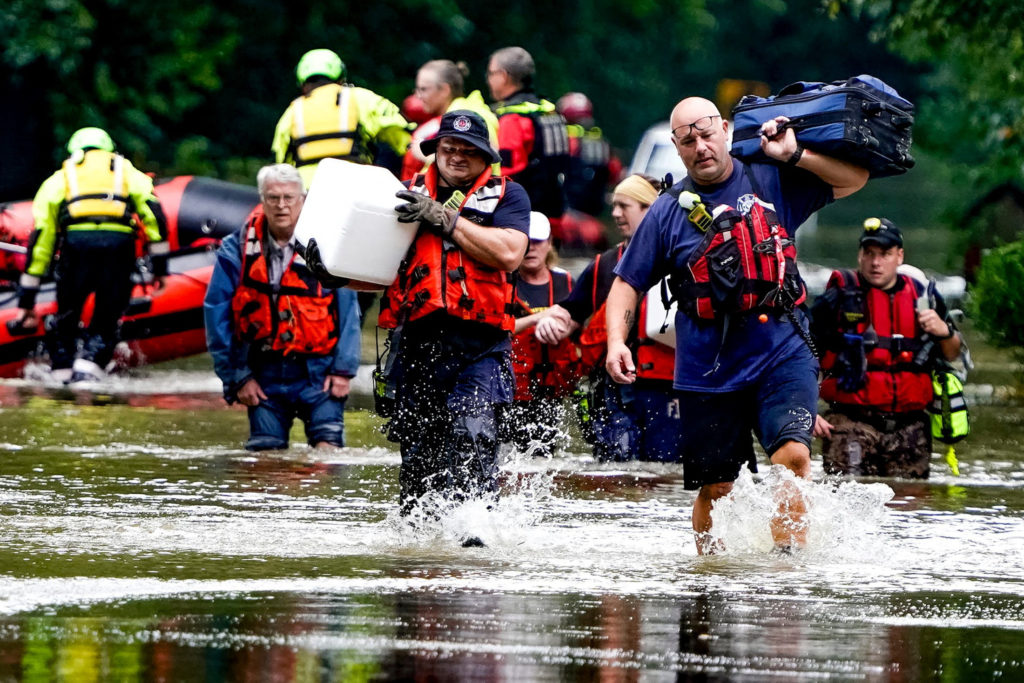
State officials report that at least six people died after several days of severe storms and record-setting rainfall in Indiana that began Aug. 11, 2026. Reporting by PBS NewsHour and The Guardian says the deceased include a 4-year-old boy, two men and three women. The Guardian notes flood waters peaked in Indianapolis’s White River and that rains were expected to ease in parts of the state on Aug. 16. Core details are corroborated across outlets, but reporting so far provides little on the specific circumstances of each death, geographic breakdown, displaced populations, property damage estimates, or official cause-of-death findings.
Source and Framing Analysis
The two primary pieces of reporting (PBS NewsHour; The Guardian) corroborate the central human-toll fact: at least six fatalities tied to a multi-day storm and flooding event beginning Aug. 11. The Guardian supplies additional location detail (White River in Indianapolis), a named attribution (Liz Woods, Indiana Department of Homeland Security spokesperson), and a near-term forecast (rains expected to ease). PBS provides a concise, corroborating statement of the death toll and composition but includes fewer contextual details in the excerpt reviewed. Framing across the coverage centers on immediate loss and weather impacts; it is sober and non‑sensational. Material gaps that affect public understanding and response planning remain: where each death occurred, whether deaths were directly flood-related or from other storm effects, numbers of displaced or injured, property and infrastructure damage estimates, and which agencies or local organizations are coordinating relief. Readers and local responders should treat the verified death toll as reliable while recognizing these important uncertainties.
Free every morning
Get the Daily Briefing
The stories shaping today—sourced carefully and considered through Scripture. No outrage bait.
Confirm by email. Unsubscribe at any time.
How sources covered this story
Sanctuary separately assesses reporting quality and alignment with Christian virtues. The virtues assessment considers truthfulness, dignity, compassion, justice, peacemaking, humility, and care for vulnerable people. It does not assess a publisher's faith or reward religious language.
Compare 2 reports
Reporting 82/100Virtues 80/100
- Distinctive contribution
- Provides location (White River, Indianapolis), the precise storm start date (11 August), and an attribution to state homeland security spokesperson Liz Woods; also notes expectation that rains would ease in specific regions.
- Framing
- Straightforward factual reporting with named attribution and some forward-looking context (rains expected to ease). Humanizes victims by listing ages and genders.
- Omissions or uncertainty
- Does not identify victims by name, give causes or exact circumstances of each death, quantify rainfall or property damage, describe rescue/response operations or geographic spread beyond Indianapolis, or provide a timeline of events beyond the start date. It is unclear whether the deaths resulted directly from flooding or related storm effects.
- Why these scores
- The excerpt is specific and responsibly attributed (named official Liz Woods), gives concrete location and date information, and avoids sensational language. It is short and lacks broader data (damage estimates, official advisories), but within the excerpt it meets standards of accurate attribution and specificity. The passage is truthful, non‑sensational, and humanizing (lists victims by age/gender). It attributes claims to an official source and avoids dehumanizing language. Missing contextual care details (e.g., emergency response, support for victims) limit a higher score, but the tone respects dignity and avoids exploitation.
Rank 2
PBS NewsHour: At least 6 people have died from days of storms and record-setting flooding in IndianaReporting 72/100Virtues 75/100
- Distinctive contribution
- Confirms the number and composition of victims (a 4-year-old boy, two men, three women) and that the deaths occurred since storms began in August.
- Framing
- Very concise factual summary; no attribution or additional contextual details present in the excerpt.
- Omissions or uncertainty
- No named sources or officials are cited in the excerpt, no specific dates (beyond 'Aug'), no location details (no city, river, or region), and no contextual information on scope of flooding, damage, or emergency response. Lacks clarity on whether deaths were flood-related or from other storm impacts.
- Why these scores
- The excerpt is concise and likely accurate as a factual summary, but it lacks attribution, contextual details, and specificity (exact date, location, officials). As a brief corroboration it is adequate, but limited. The language is factual and non‑sensational and lists victims in a respectful, non-exploitative way. The absence of attribution and further context reduces the opportunity to show deeper care (e.g., information about aid or safety), but the excerpt does not violate principles of dignity or truthfulness.
Biblical Reflection
This is a human tragedy requiring grief, precise reporting, and neighborly care. Christians should respond with truth and compassion: mourn with those who mourn, verify needs through local officials and trusted relief agencies before acting, and prioritize help for the most vulnerable (elderly, low-income, disabled). Public speech should be humble and sober—avoid amplifying rumors or using the event for partisan advantage. In addition to immediate care (shelter, food, pastoral presence), faithful long-term response includes advocating for resilient, equitable infrastructure and emergency systems that protect those with the fewest resources. These actions express mercy, justice, peacemaking, and dignity for neighbors harmed by the storms.
Scripture in context
- 1Psalm 46 — A psalm composed as a communal song declaring God as a refuge and strength in times of national or community crisis and natural disturbance, offering comfort to people facing upheaval. — Use the psalm as a guide for communal lament and for seeking refuge and resolute calm: it models honest sorrow while encouraging solidarity and steady action in emergency response.
- 2Luke 10 (Parable of the Good Samaritan) — Jesus teaches what it means to 'neighbor' by describing a Samaritan who cares for a wounded stranger despite social boundaries; the story reframes religious duty as concrete compassion toward those in need. — Apply this teaching by directing practical help to flood victims without letting social or political boundaries determine who receives care; prioritize immediate needs like shelter, food, medical attention, and emotional support.
Faithful Response
Pray specifically for the bereaved, those displaced, first responders, and civic leaders; incorporate intercession into congregational prayer and pastoral care.
Give to vetted local relief organizations and established church disaster funds rather than unverified crowdfunding or drop-off drives unless coordinated with authorities.
Check on nearby neighbors—especially elderly, disabled, single-parent, and low‑income households—and offer practical assistance or referrals to official resources.
Coordinate volunteer efforts through local emergency management or recognized relief partners (shelter staffing, meal delivery, donation sorting) to avoid undermining professional responders.
Provide pastoral presence: grief visits, counseling referrals, and help navigating recovery paperwork and benefits where appropriate.
Advocate, as informed neighbors, for equitable recovery resources and for investments in resilient infrastructure that reduce future harm to vulnerable communities.
Free every morning
Get the Daily Briefing
The stories shaping today—sourced carefully and considered through Scripture. No outrage bait.
Confirm by email. Unsubscribe at any time.
Reflection and Discussion
- 1Are we responding first with verified facts and compassion, or allowing fear and speculation to shape our words and actions?
- 2How can our congregation best support those grieving or displaced without duplicating or undermining local relief efforts?
- 3What local vulnerabilities (housing, drainage, emergency access) did this event expose, and how can we work for just, long-term solutions alongside civic leaders?
- 4How do we balance immediate pastoral care with advocacy for systemic change when disasters reveal deeper inequalities?
Sources
Reporting links are evidence inputs; Sanctuary News' biblical reflection is commentary.
- 1.At least 6 people have died from days of storms and record-setting flooding in Indianaprimary_reporting
- 2.At least six people dead from days of storms and record flooding in Indianaadditional_reporting