Sen. Wicker: $2.5B Plan to Rebuild U.S. Small-Drone Industry to Challenge China’s Dominance
Read original source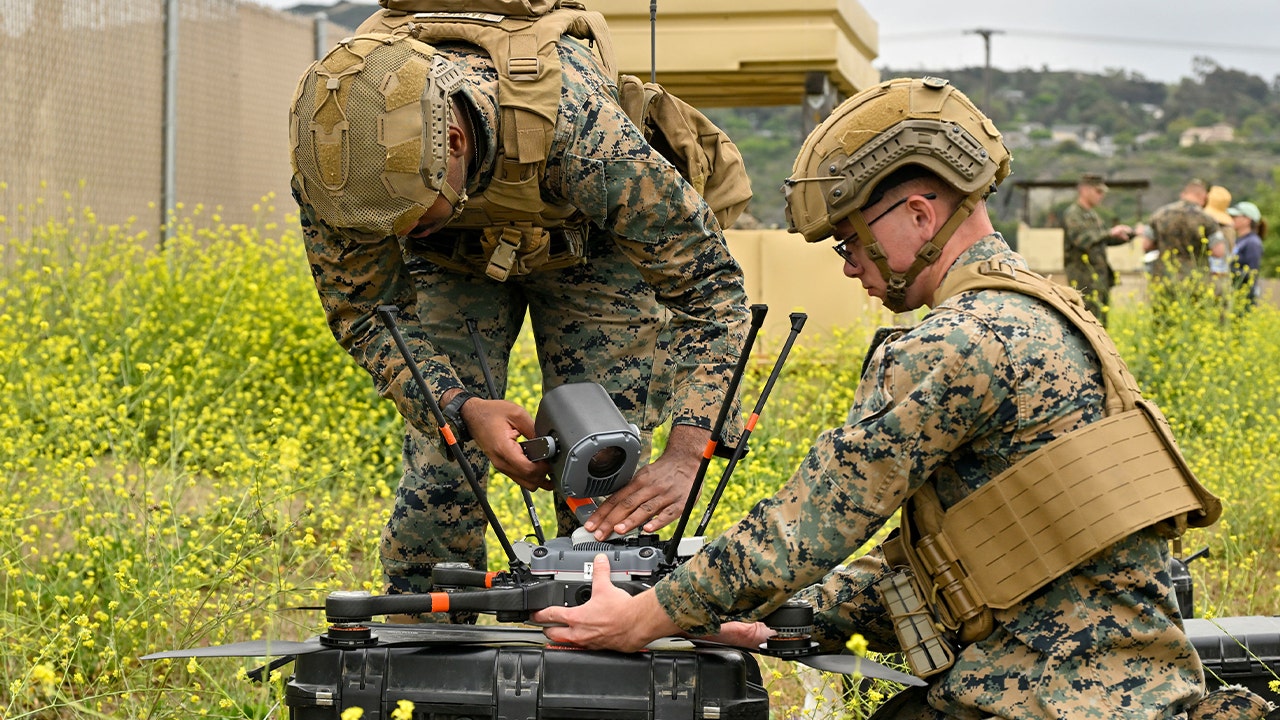
Scriptural Outlook
Sen. Roger Wicker argues that small unmanned aerial systems (small drones) have become central to modern warfare and commercial use, and that the United States has fallen behind—particularly to China, which invested heavily and captured large shares of both commercial and military small-drone markets. Wicker credits a new $2.5 billion appropriation in a defense reconciliation bill, supported by Republicans in Congress and the Trump administration, as a demand signal to rebuild a U.S. small-drone industrial base. More than $1 billion will fund a Drone Dominance program that has gathered about 25 U.S. vendors for a multi-phase competition (the Gauntlet) intended to scale production of Group 1 FPV drones, with a target of producing 300,000 drones by 2027. The piece contrasts U.S. production to Ukraine’s recent extremely high small-drone output (millions per year) and argues that the U.S. must maintain sustained investment, protective industrial policy, and grants/loans to rebuild supply chains. Wicker also highlights congressional and FCC action toward a national-security review and prospective bans on adversary-made drone components, while signaling waivers for allied partners as needed. The op-ed frames these measures as a beginning that must be continued to ensure affordable, American-made drones for military and commercial users.
From a biblical perspective, the article raises several legitimate and morally relevant questions. Scripture recognizes the role of governing authorities to protect the common good (cf. Romans 13), so prudently ensuring national defense and resilient supply chains can be a responsible exercise of stewardship. Efforts to rebuild industry, create jobs, and protect citizens from security threats align with the biblical values of protecting the vulnerable and exercising wise stewardship of resources (Proverbs 21:5). At the same time, the Christian moral imagination cautions against simple militaristic triumphalism and fear-driven policies. Jesus calls his followers to be peacemakers (Matthew 5:9) and to guard against trusting weapons or national power above God (Psalm 20:7; see also Matthew 6:19–21). Policies that emphasize protection should be accompanied by humility, transparency, and discernment to avoid escalating arms races or policies that scapegoat or demonize entire peoples. Economic measures aimed at countering predatory practices should also be pursued justly—seeking fair competition, protecting workers, and avoiding policies that harm innocents or stoke xenophobia. Practically: the article’s call for investment, industrial policy, and protection of critical supply chains can be seen as responsible stewardship and care for the nation’s safety, but Christians should press for wise, proportionate, ethically grounded implementation—prioritizing restraint, oversight, support for nonmilitary uses that serve the common good (agriculture, disaster response, search and rescue), and continuing diplomacy to reduce the likelihood of conflict."Romans 13:1-7 (KJV): 1 Let every soul be subject unto the higher powers. For there is no power but of God: the powers that be are ordained of God. 2 Whosoever therefore resisteth the power, resisteth the ordinance of God: and they that resist shall receive to themselves damnation. 3 For rulers are not a terror to good works, but to the evil. Wilt thou then not be afraid of the power? do that which is good, and thou shalt have praise of the same. 4 For he is the minister of God to thee for good. But if thou do that which is evil, be afraid; for he beareth not the sword in vain: for he is the minister of God, a revenger to execute wrath upon him that doeth evil. 5 Wherefore ye must needs be subject, not only for wrath, but also for conscience sake. 6 For for this cause pay ye tribute also: for they are God's ministers, attending continually upon this very thing. 7 Render therefore to all their dues: tribute to whom tribute is due; custom to whom custom; fear to whom fear; honour to whom honour."