News Summary
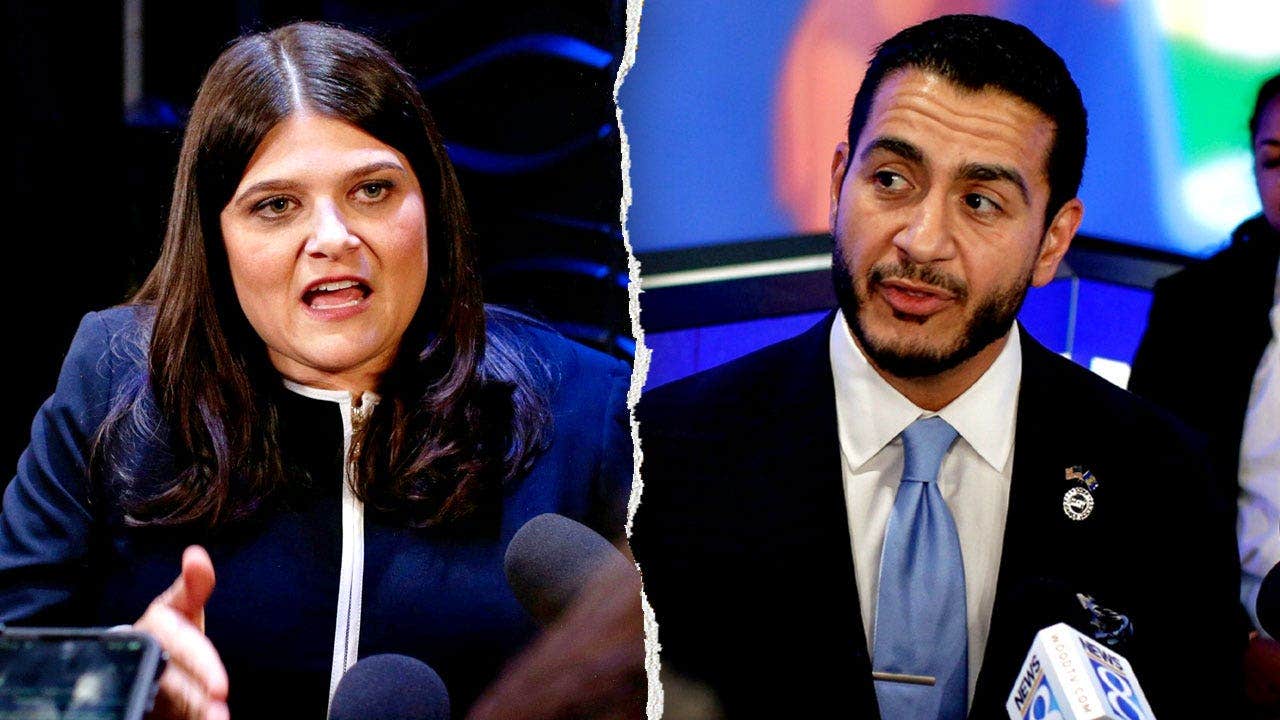
Retiring U.S. Senator Gary Peters (D‑Mich.) announced he is endorsing U.S. Rep. Haley Stevens in the Democratic primary for his Senate seat, reversing an earlier pledge of neutrality. The primary, scheduled for Aug. 4, is principally between Stevens, a four‑term congresswoman who emphasizes manufacturing and jobs, and progressive challenger Abdul El‑Sayed, a former Michigan health director who supports policies such as Medicare for All and campaign finance reform and has made Gaza and related foreign policy issues a campaign focus. Several Senate Democrats, including Chuck Schumer, Ruben Gallego and Catherine Cortez Masto, have also endorsed Stevens; El‑Sayed has endorsements from Bernie Sanders and Chris Van Hollen. State Sen. Mallory McMorrow recently ended her campaign, leaving Stevens and El‑Sayed as the major Democratic contenders. The race has featured disputes over outside spending, financial disclosures, and campaign tone. The eventual Democratic nominee is likely to face Republican Mike Rogers in the general election. The article also notes turmoil in another Democratic Senate contest in Maine following the withdrawal of Graham Platner amid an assault allegation, increasing national attention on battleground Senate races.
Biblical Reflection
This report shows party leaders consolidating around a candidate they judge more electable, reflecting a common tension in politics between principle and strategy. The coverage focuses on endorsements, outside spending, and personal attacks, which are facts worth knowing but can also steer attention away from substantive policy discussion or faithful evaluation of character. The framing (emphasizing a party “civil war” and the stakes for Senate control) highlights partisan anxiety and may inflame intra‑party divisions rather than promote sober discernment. From a Christian perspective we should seek truth about candidates’ records and motives, show mercy toward political opponents, and refuse cynicism that reduces public life to power plays. At the same time, Christians must weigh practical consequences: who will protect the vulnerable, steward justice, and pursue the common good if elected? The article is largely factual but shaped by a political lens that privileges electability, conflicts, and spectacle. Christians reading this should probe beyond the headlines to assess policy impacts on neighbors, watch for language that demonizes opponents, and pray for leaders to act with humility and courage rather than purely partisan calculation.
Scripture in context
This outlook does not yet include contextual Scripture citations. Do not treat a general biblical theme as an exegetical conclusion.
Faithful Response
No prescribed response is offered. Consider the reflection prompts below in your own church context.
Reflection and Discussion
- 1Does the media’s emphasis on endorsements and electability obscure the concrete policy choices that will affect real people?
- 2Are party leaders prioritizing short‑term wins over long‑term character and justice, and how should that shape our judgment?
- 3How does framing the contest as a ‘civil war’ among Democrats influence our willingness to seek reconciliation, mercy, and honest critique?
Sources
Reporting links are evidence inputs; Sanctuary News' biblical reflection is commentary.
This outlook currently relies on fewer than two linked sources. Broaden verification before teaching from it.
- 1.Original reportprimary