News Summary
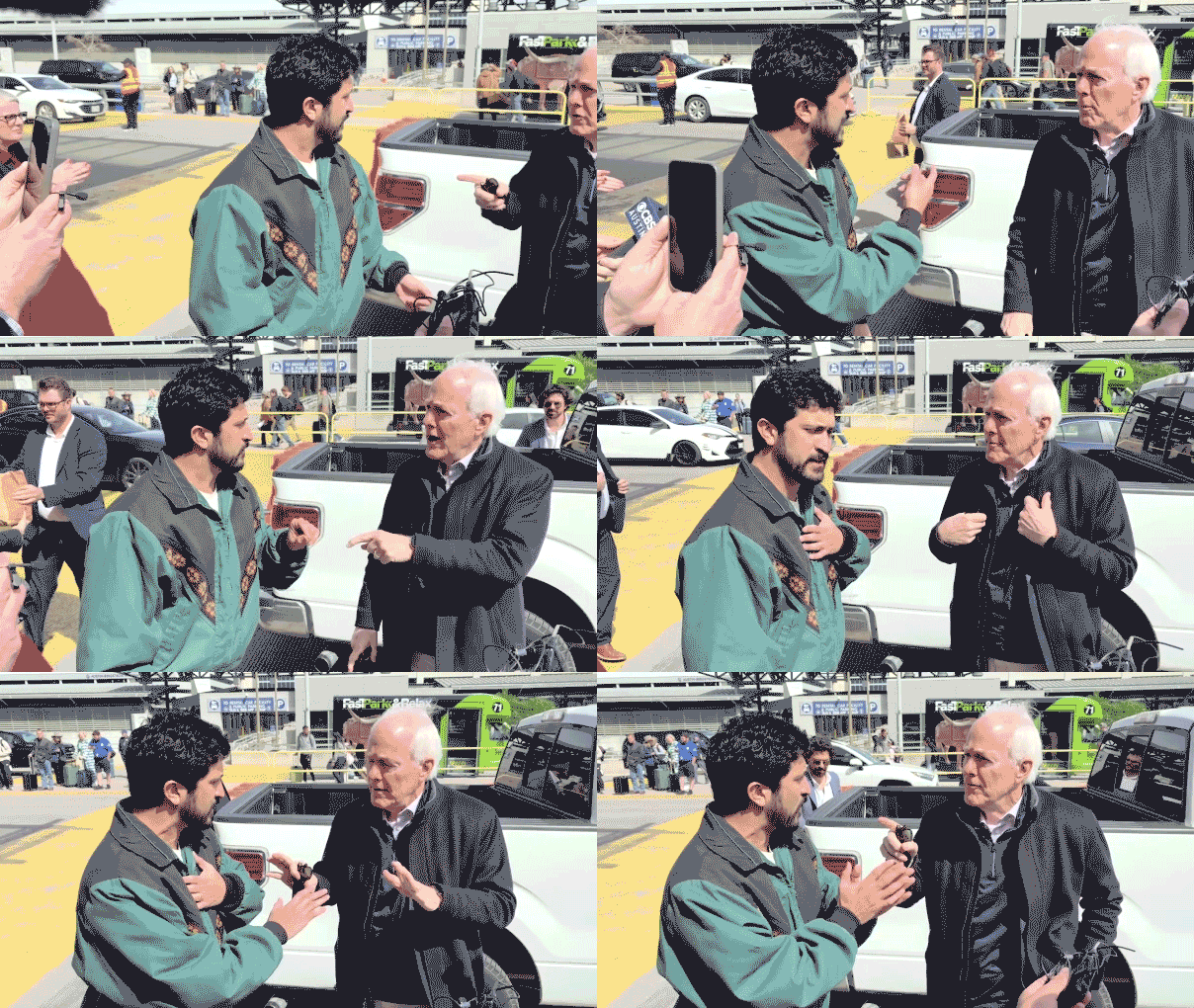
Sen. John Cornyn (R–TX) and Rep. Greg Casar (D–TX) had a heated verbal confrontation at the Austin airport over a multi-week shutdown of funding for the Department of Homeland Security. The dispute centered on whether Congress should vote to fully fund DHS — Cornyn accused Democrats of refusing to ensure TSA employees are paid, noting TSA workers missed their first full paychecks and airports are experiencing delays. Casar criticized Cornyn for bringing food to unpaid TSA staff rather than securing pay, and has voted against a full-year DHS appropriations bill while proposing a standalone measure to fund TSA separate from immigration-enforcement components. Republicans reject that approach as they insist all DHS employees should be paid. The story notes increased TSA resignations and absences, travel disruptions, and mentions recent terror-related shootings cited by Cornyn to argue for full DHS funding. House Democrats plan a vote on funding non-immigration portions of DHS.
Biblical Reflection
This incident highlights several biblical concerns: the dignity and welfare of workers, the character of public leaders, and the tendency of political conflict to become spectacle rather than problem-solving. Scripture consistently calls for justice and care for the vulnerable (Micah 6:8) and condemns selfish ambition, anger, and performative piety (James 3:14–16; Matthew 6:1). From a Christian perspective, paying and protecting those who serve the public (TSA officers) is a moral duty: politicians should avoid posturing that minimizes people's material needs. At the same time, seeking the common good can legitimately involve policy disagreements about how to fund and structure agencies; principled negotiation is not inherently unjust. Where both sides fall short is in allowing partisan advantage, blame-shifting, and public grandstanding to eclipse compassion and truthful stewardship. Christians should call leaders to honest responsibility, defend workers’ basic needs, and resist cheering purely theatrical gestures (e.g., bringing food instead of addressing lost wages). We must also balance concern for public safety with compassion toward migrants and the marginalized — biblical ethics asks us to pursue both justice (protecting the innocent) and mercy (welcoming the stranger). Ultimately the story is a reminder that Christian civic engagement should press for policies that protect the vulnerable, honor the truth, and seek peaceable, constructive solutions rather than escalating division for political gain.
Scripture in context
This outlook does not yet include contextual Scripture citations. Do not treat a general biblical theme as an exegetical conclusion.
Faithful Response
No prescribed response is offered. Consider the reflection prompts below in your own church context.
Reflection and Discussion
- 1How can I pray for and support public servants who are materially harmed by political fights, regardless of my politics?
- 2Where in this conflict do I see posturing or spectacle instead of genuine care, and how should that shape my response?
- 3Am I holding leaders (and myself) to the biblical standards of justice, mercy, and humility in how we talk about policy and people?
Sources
Reporting links are evidence inputs; Sanctuary News' biblical reflection is commentary.
This outlook currently relies on fewer than two linked sources. Broaden verification before teaching from it.
- 1.Original reportprimary