News Summary
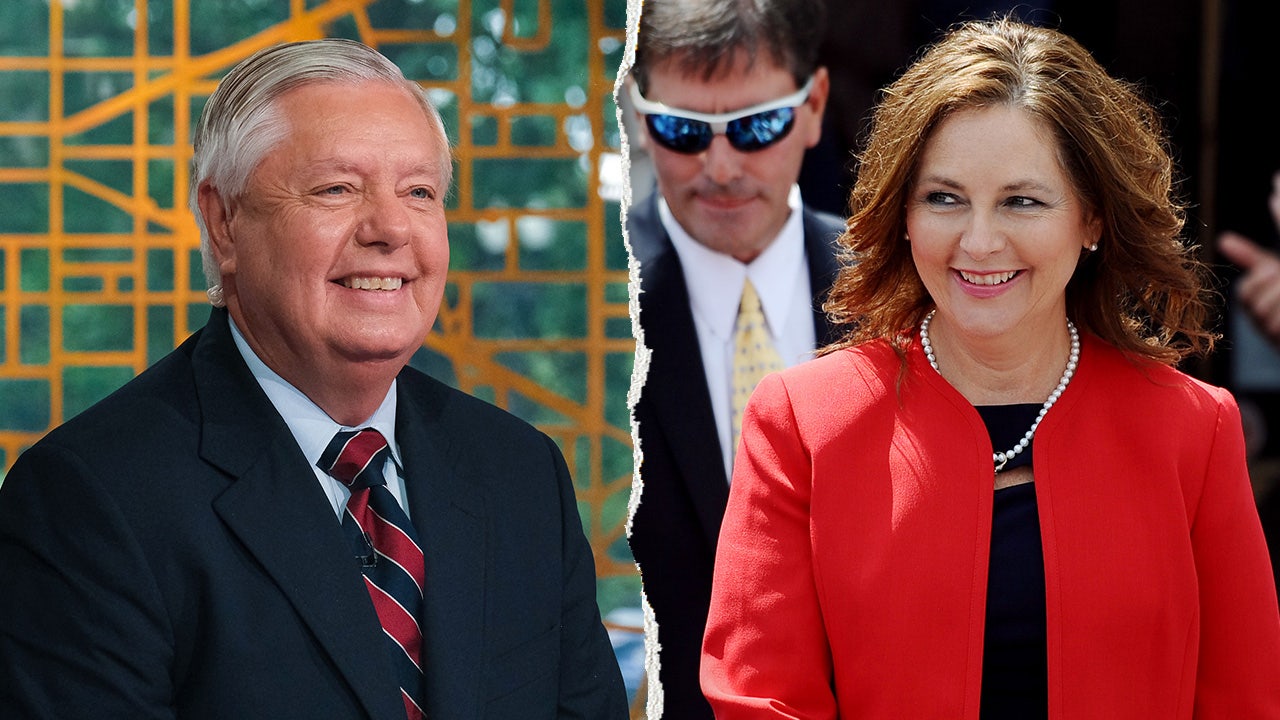
South Carolina Gov. Henry McMaster announced on July 13, 2026, that he appointed Darline Graham Nordone to fill the U.S. Senate seat of his late brother, Sen. Lindsey Graham, who died suddenly of an aortic dissection. The appointment came roughly 48 hours after Graham's death and followed public encouragement from former President Donald Trump; other Republican leaders including Sen. Tim Scott and Senate Majority Leader John Thune also expressed support. Nordone, 62, has not previously held elected office but has served as a commissioner on the South Carolina Commission for the Blind. McMaster’s appointment will fill the seat through Jan. 3 (the article states Jan. 3) while a special election process proceeds: a filing period beginning July 21, a special primary on Aug. 11, and a possible runoff Aug. 25 ahead of the Nov. general election for the full term. Potential Republican candidates mentioned as preparing bids include Reps. Nancy Mace and Ralph Norman; others initially considered for the appointment included Lt. Gov. Pam Evette, Trey Gowdy and Jim DeMint. The appointment comes at a moment when the Republican Senate majority was narrowed by Graham’s death and with Sen. Mitch McConnell undergoing medical treatment, increasing attention on retaining GOP votes.
Biblical Reflection
This article reports a swift political appointment made in the wake of sudden death, driven in part by party calculations to protect a narrow Senate majority and by public appeals from high-profile party figures. From a Christian perspective, several tensions deserve careful attention. On one hand, appointing a respected person close to the deceased can be a compassionate way to honor legacy and provide continuity during a time of grief. On the other hand, rapid appointments influenced by political endorsements and family ties raise questions about stewardship, merit, and the health of democratic processes — important Christian concerns because public office is a trust given for the common good. The article’s tone and sourcing (political voices and Trump’s role prominently featured) reflect a partisan frame that emphasizes unity among GOP leaders and continuity of policy power; readers should note that this framing highlights political necessity more than an independent evaluation of the appointee’s qualifications or the broader democratic implications. Christians should weigh the facts without partisan satisfaction or cynicism: seek leaders whose character, humility, and service to neighbors are evident, hold them accountable with charity and truth, and pray for a process that honors both justice and mercy.
Scripture in context
This outlook does not yet include contextual Scripture citations. Do not treat a general biblical theme as an exegetical conclusion.
Faithful Response
No prescribed response is offered. Consider the reflection prompts below in your own church context.
Reflection and Discussion
- 1How does the speed and manner of this appointment reflect the balance (or imbalance) between political expediency and democratic norms?
- 2What evidence of public service, character, and competence should Christians look for when a grieving family member is placed into public office?
- 3Whose voices are centered in the coverage, and how might that affect what the article omits about qualification or broader public input?
Sources
Reporting links are evidence inputs; Sanctuary News' biblical reflection is commentary.
This outlook currently relies on fewer than two linked sources. Broaden verification before teaching from it.
- 1.Original reportprimary