News Summary
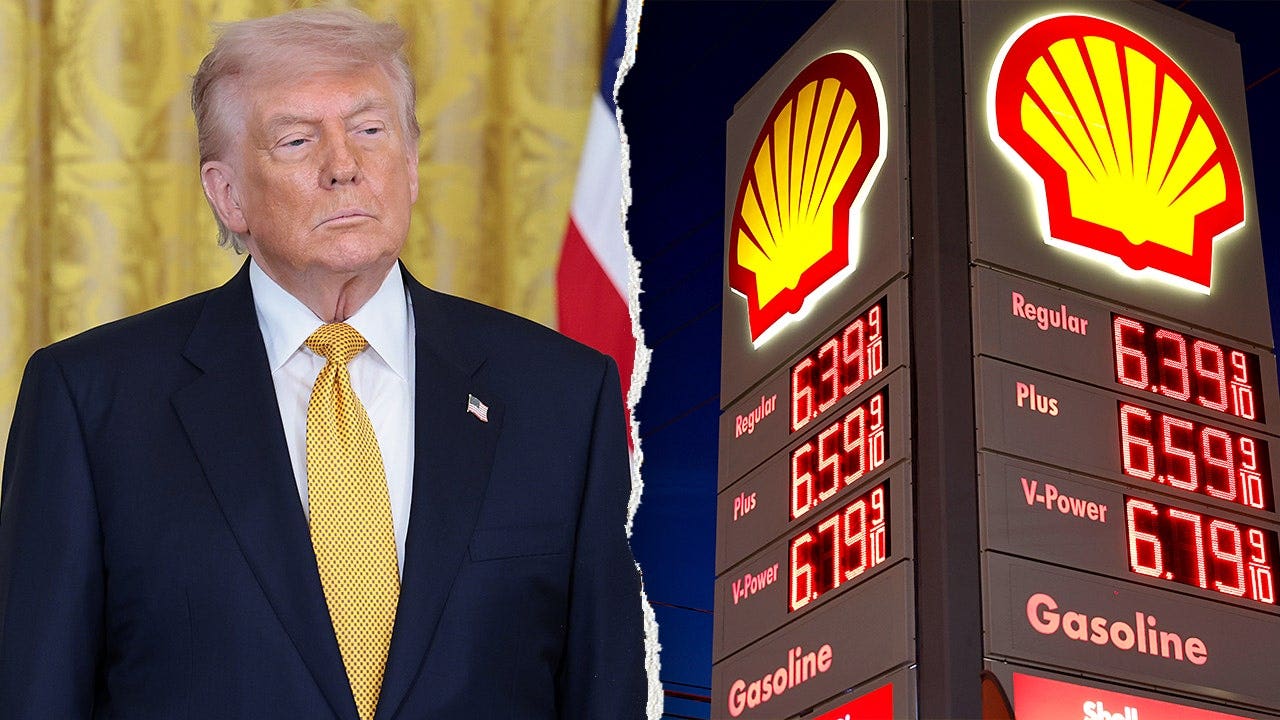
This opinion piece (by Daniel Turner, founder of the energy advocacy group Power The Future) argues that current U.S. gasoline price increases are tied to instability related to conflict with Iran and criticizes prior Democratic climate-oriented policies for contributing to higher energy costs. The author cites examples of Biden-era measures (such as EV mandates, limits on new oil and gas leases, and other regulations) as trade-offs that raised prices. The column notes that gasoline prices fell after Trump took office and reversed some Biden-era policies, but rose again following the Iran conflict and concerns about shipping through the Strait of Hormuz. The piece calls lawmakers to weigh trade-offs between energy affordability and security objectives, endorses temporary measures like a federal gas tax suspension being debated, and disputes some climate warnings and certain UN/IPCC projections. It is an opinion column with partisan framing and selective use of examples to support its argument.
Biblical Reflection
This article is an explicitly partisan opinion that mixes factual points (geopolitical risk can raise oil prices; policy choices involve trade-offs) with selective framing and causal claims that would benefit from independent verification. From a Christian perspective, several themes matter: truthfulness and fairness in public argument (giving an accurate account of causes and effects), care for the vulnerable who bear the brunt of price shocks, and responsible stewardship of creation and resources. The author rightly highlights that public policy often requires trade-offs; Scripture calls Christians to seek wisdom and weigh consequences (not shorthand partisan wins). At the same time, the column downplays complexities—such as how diversified energy strategies, market dynamics, and international factors intersect—and it frames opponents as having acted in bad faith rather than as political actors with competing values (environmental stewardship, long-term sustainability, and social justice). Christians should be cautious about accepting partisan simplifications: advocate for policies that protect the poor and vulnerable (affordability), pursue honest debate about long- and short-term costs, and demand transparency and truth from all leaders. Prayerful discernment, not merely partisan loyalty, is the biblical posture when public policies impose real costs on people's lives.
Scripture in context
This outlook does not yet include contextual Scripture citations. Do not treat a general biblical theme as an exegetical conclusion.
Faithful Response
No prescribed response is offered. Consider the reflection prompts below in your own church context.
Reflection and Discussion
- 1What assumptions about cause-and-effect (policy versus geopolitics versus markets) does this piece make, and where would you look for independent data to confirm or challenge them?
- 2Whose needs are highlighted or minimized in the article’s framing—are the poorest and most vulnerable given central consideration when weighing energy trade-offs?
- 3Does the column invite honest, charity-filled debate about long-term stewardship of creation and short-term relief for suffering, or does it reduce complex trade-offs to partisan blame?
Sources
Reporting links are evidence inputs; Sanctuary News' biblical reflection is commentary.
This outlook currently relies on fewer than two linked sources. Broaden verification before teaching from it.
- 1.Original reportprimary