News Summary
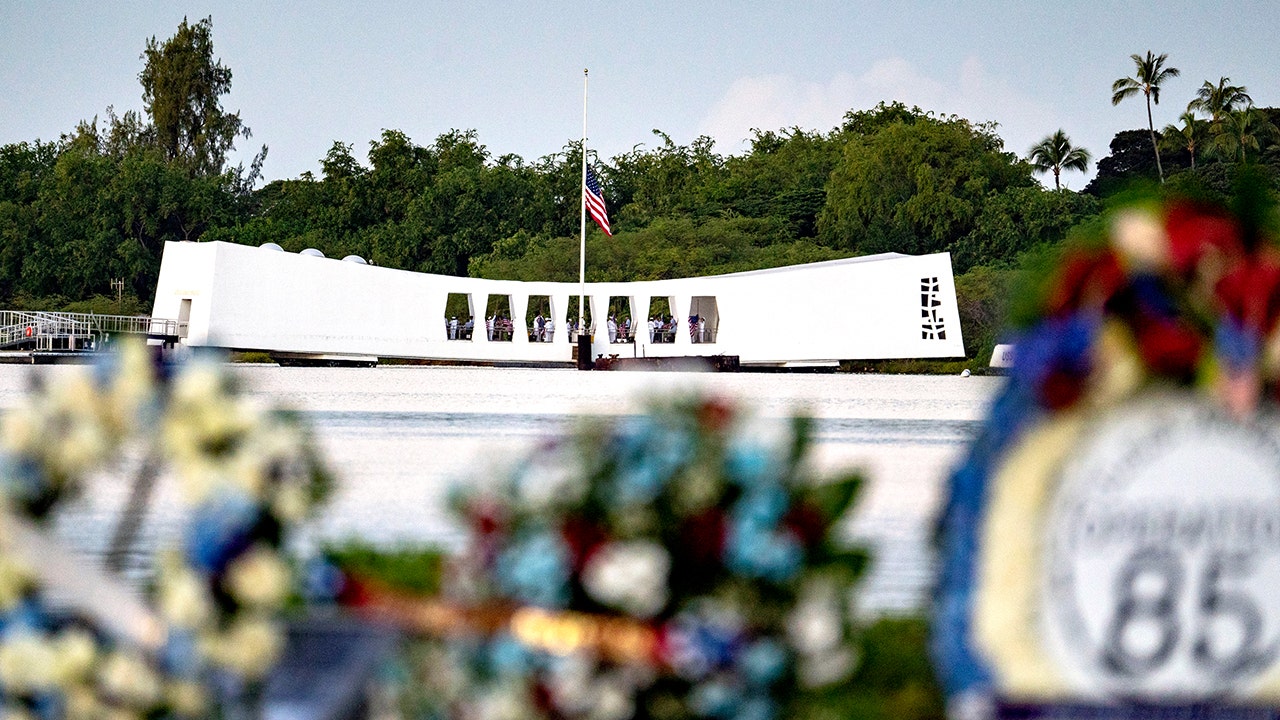
Royle Bradford Luker, a 17-year-old Fireman Third Class who was killed aboard the USS West Virginia during the Japanese attack on Pearl Harbor on December 7, 1941, has been identified through modern forensic testing and DNA analysis. For decades his remains were interred as an unknown at the National Memorial Cemetery of the Pacific and his name appeared on the Courts of the Missing. Following exhumations and DNA comparisons involving living relatives, the Defense POW/MIA Accounting Agency officially accounted for Luker on May 29, 2024. His obituary reports he will be buried with full military honors in Plainview, Arkansas, on May 30. The obituary lists several military honors attributed to him (including the Purple Heart and Navy Presidential Unit Citation) and names surviving family members (two nephews and a niece). The USS West Virginia was struck by torpedoes during the attack, and Luker was among 106 crewmen killed when the ship was hit.
Biblical Reflection
This report records a concrete act of truth-seeking and compassion: modern science used to restore identity and give a family closure. From a Christian vantage point, honoring the dignity of the dead and comforting the grieving are consistent with biblical care for people and the value of memory. The article's tone is respectful and patriotic; it highlights military sacrifice and the positive uses of forensic technology. Readers should note the story emphasizes national and familial honor—appropriate in itself—but also remember that Christian reflection asks us to balance honor for service with humility, to mourn loss without glorifying violence, and to pray for lasting peace. There is little in the reporting that appears misleading; the central facts (death at Pearl Harbor, decades of unknown status, DPAA-led identification, burial plans) are straightforward. The piece models how truth (scientific verification) can reconcile sorrow with dignity and closure, and invites Christians to give thanks for efforts that restore names to the anonymous dead while continuing to long for reconciliation and peace among nations.
Scripture in context
This outlook does not yet include contextual Scripture citations. Do not treat a general biblical theme as an exegetical conclusion.
Faithful Response
No prescribed response is offered. Consider the reflection prompts below in your own church context.
Reflection and Discussion
- 1How does this story of identification and burial challenge us to honor both the humanity of those who served and the Christian call to lament all loss without celebrating war?
- 2What does the use of forensic science to restore identity teach us about pursuing truth and compassion in the public sphere?
- 3When a nation remembers and honors military sacrifice, how should Christians keep that memory tethered to pursuits of justice, repentance, and peace?
Sources
Reporting links are evidence inputs; Sanctuary News' biblical reflection is commentary.
This outlook currently relies on fewer than two linked sources. Broaden verification before teaching from it.
- 1.Original reportprimary