News Summary
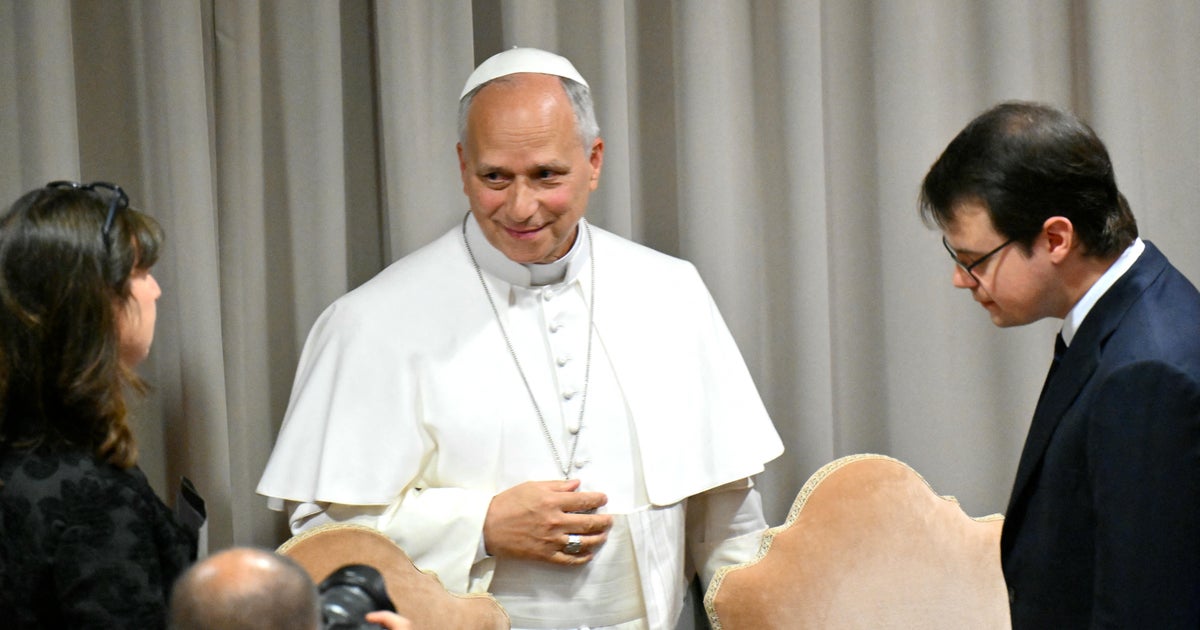
Pope Leo XIV issued an 82-page encyclical titled Magnifica Humanitas focused primarily on the ethical and anthropological implications of artificial intelligence. The document warns that AI could make civilization "less human," hollow out work, concentrate wealth, deepen inequality, drive social fragmentation, and normalize AI-driven warfare. The pope calls for limits or a kind of "disarming" of AI and stresses that technology itself is not inherently evil while urging responsibility in its development and deployment. The encyclical also states that the just war theory is outdated except for strict self-defense and includes a first-ever papal apology for the Vatican's role in facilitating and justifying the transatlantic slave trade. Vatican officials (including Cardinal Michael Czerny) presented the document and emphasized the encyclical's focus on the human condition in the age of AI. Christopher Olah, co-founder of Anthropic, participated in the Vatican rollout; Vatican officials said engagement with tech firms is dialogue, not endorsement. The article notes concerns about militaries integrating AI and cites examples of AI-assisted systems in exercises. The reporting contains instances where names appear inconsistent (references to "Francis" alongside "Leo"), but the central claim is that Pope Leo XIV framed AI as an anthropological challenge requiring moral discernment, regulation, and a reaffirmation of human dignity.
Biblical Reflection
From a Christian perspective the encyclical raises several faithful and necessary concerns: it defends the intrinsic dignity of persons against reduction to data points or efficiency metrics, calls for repentance and institutional responsibility (the apology for the slave trade), and warns against idolatry where technology becomes an object of ultimate trust. Those emphases align with biblical commitments to human worth, justice, and confession of sin. The pope's call for limits and ethical scrutiny of AI is consistent with the biblical mandate to exercise wise stewardship and to order communal life toward the common good (e.g., protecting the vulnerable and preserving peace). At the same time, Christians should note potential biases and rhetorical slants in the reporting: the article frames some of the pope's comments in a geopolitical context (tension with U.S. officials) and includes personalities from industry, which could color perceptions of endorsement or opposition. Theologically, the tension is not between technology and faith per se but between idols and the Creator: technology as gift can serve human flourishing if governed by justice, charity, and prudence; it becomes dangerous when it substitutes for God, concentrates power without accountability, or facilitates injustice (including mechanized violence). The encyclical's critique of just-war reasoning and its emphasis on human-centered policy call Christians to advocate for ethical limits, transparent governance of AI, care for workers displaced by automation, and a repentance that includes material restitution where possible. Finally, while caution is warranted, fear-driven technophobia should be resisted; Christian witness requires sober discernment grounded in hope, not panic, and a willingness to engage constructively in public ethical formation.
Scripture in context
This outlook does not yet include contextual Scripture citations. Do not treat a general biblical theme as an exegetical conclusion.
Faithful Response
No prescribed response is offered. Consider the reflection prompts below in your own church context.
Reflection and Discussion
- 1How does the framing of AI as an 'anthropological' threat influence whether societies treat technological change as primarily a moral or a technical problem?
- 2In what ways might Christians be tempted to make technology an idol, and how should the church name and resist that tendency in public witness?
- 3When institutions confess past harms (e.g., the Vatican's apology for the slave trade), what concrete forms of justice and repair should follow that confession in light of new technological harms?
Sources
Reporting links are evidence inputs; Sanctuary News' biblical reflection is commentary.
This outlook currently relies on fewer than two linked sources. Broaden verification before teaching from it.
- 1.Original reportprimary