News Summary
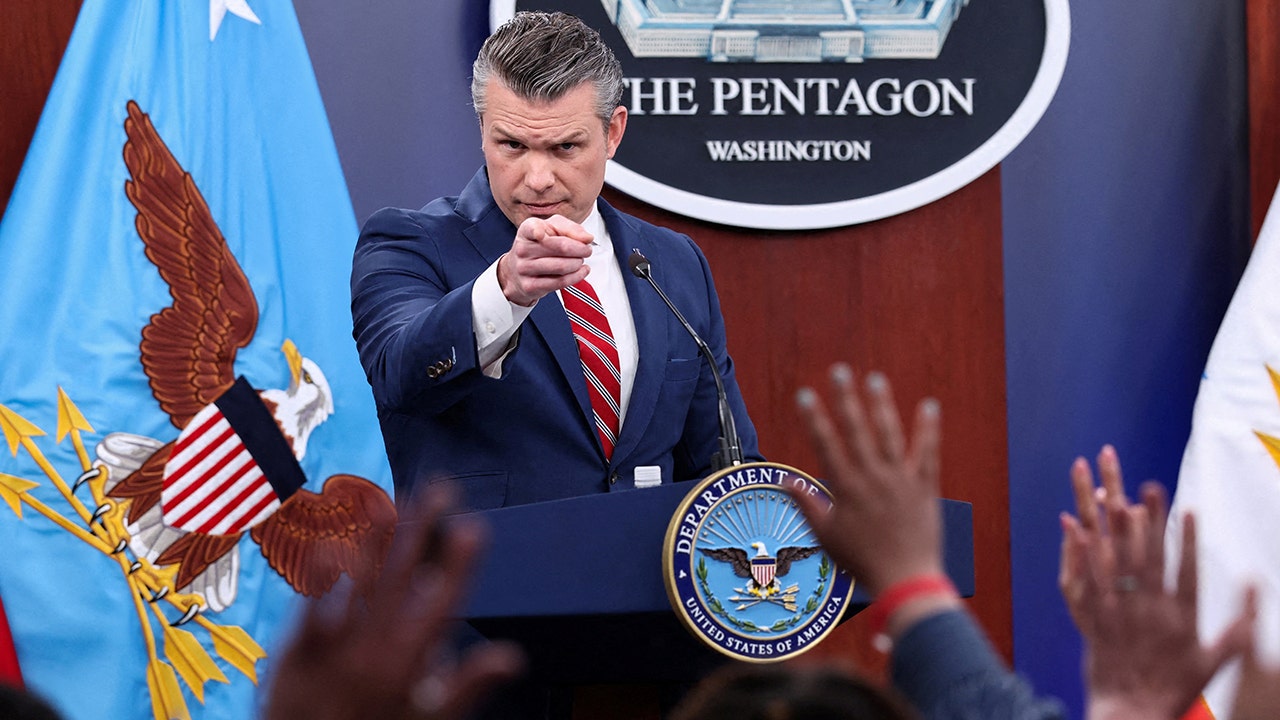
Pentagon chief Pete Hegseth announced a joint task force with the Department of Justice to identify and prosecute officials who leak sensitive information to the media. He said he delegated authority to the Pentagon’s Office of General Counsel (OGC) to request and receive records, support, and information across the department for media leak investigations, and described access to confidential information as a “sacred trust.” Hegseth thanked Acting U.S. Attorney General Todd Blanche for DOJ support. The announcement follows the DOJ issuing subpoenas to four New York Times reporters in a grand-jury leak probe related to reporting about a plane gifted to former President Trump. The article notes past Pentagon actions under Hegseth’s leadership, including leak investigations, proposed polygraphs, and proposed restrictions on reporters (a chaperone policy later preliminarily enjoined by a judge as violating the First Amendment).
Biblical Reflection
The announcement raises a real tension between protecting operational security and preserving a free press. Safeguarding lives and classified operations is a legitimate government duty; at the same time, aggressive investigation and prosecution of leaks can chill journalistic inquiry and reduce public accountability. The article—reported by a single news outlet—frames the move as a strong law-enforcement response and links it to recent subpoenas of reporters, which critics argue threaten press freedom. Christians should weigh both goods: the moral responsibility to protect lives and national security, and the biblical call to truth-telling, accountability, and protecting the vulnerable (which includes a public informed about government action). There is a risk of overreach when secrecy is used to avoid scrutiny, and a risk to service members and civilians when genuine operational details are exposed. Discernment requires asking who defines what counts as a harmful leak, whether due process and legal protections for whistleblowers and the press are preserved, and whether power is being exercised with humility and accountability rather than retaliation or intimidation.
Scripture in context
This outlook does not yet include contextual Scripture citations. Do not treat a general biblical theme as an exegetical conclusion.
Faithful Response
No prescribed response is offered. Consider the reflection prompts below in your own church context.
Reflection and Discussion
- 1Who decides which disclosures are genuinely harmful and what safeguards exist to protect legitimate whistleblowing and newsgathering?
- 2Does the language and mechanism proposed prioritize secrecy over transparency in ways that could weaken public accountability?
- 3How should Christians hold both national leaders and the press accountable in ways that honor truth, protect life, and practice humility?
Sources
Reporting links are evidence inputs; Sanctuary News' biblical reflection is commentary.
This outlook currently relies on fewer than two linked sources. Broaden verification before teaching from it.
- 1.Original reportprimary