News Summary
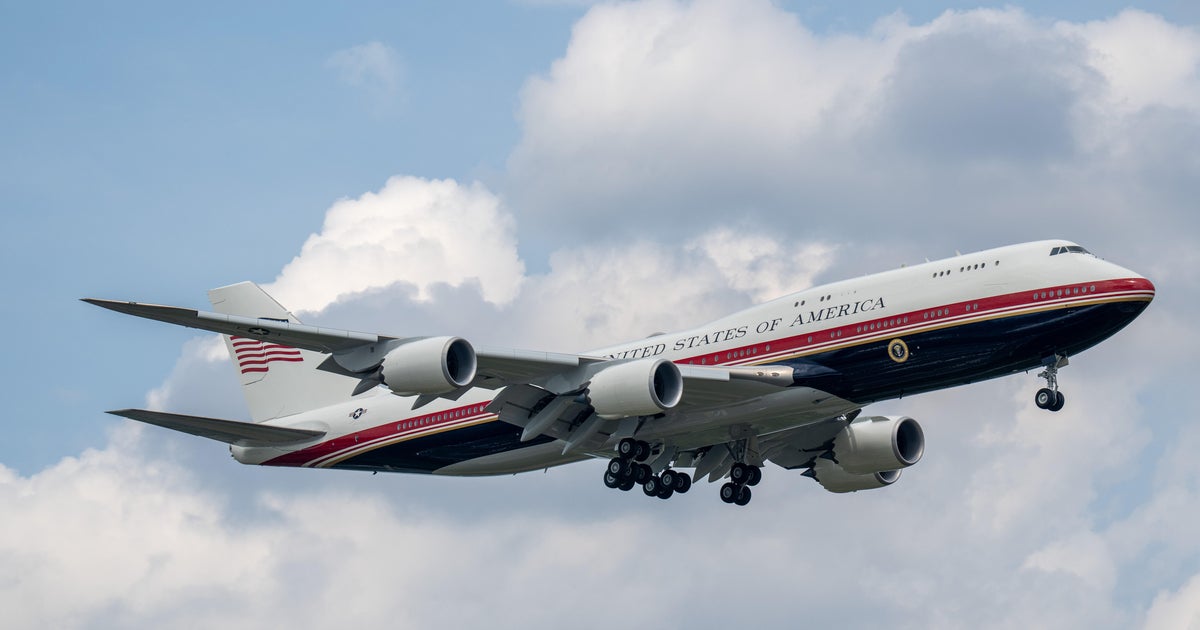
On July 11, 2026, The New York Times reported that officials in President Trump's administration issued subpoenas to some NYT journalists, seeking their testimony before a federal grand jury in Manhattan; the paper said federal agents delivered some subpoenas to reporters at their homes. The subpoenas were tied to a NYT report earlier that week alleging security shortcomings in the new Air Force One, including that the newer plane lacked certain advanced security features cited in anonymous sources. The NYT report could not be independently confirmed. The articles said the president had flown the new plane to a NATO summit in Turkey, then departed on an older-model jet for a stop at RAF Mildenhall before switching back to the new plane for the return to Joint Base Andrews. The reporting appeared as U.S.-Iran tensions and recent U.S. airstrikes and regional attacks were unfolding. The White House and Department of Justice had no immediate response reported; the White House later issued a statement defending the new aircraft and disputing security shortcomings. The NYT’s lawyer published a statement expressing concern about federal law enforcement appearing at reporters' homes.
Biblical Reflection
From a Christian perspective, this story raises two serious concerns that must be held in tension: the biblical call to seek and speak truth, and the legitimate duty of government to protect lives and national security. Independent, rigorous journalism is a key means by which truth and public accountability are pursued; actions that appear to intimidate reporters risk chilling that accountability and undermining civic trust. At the same time, some operational details about presidential security are appropriately sensitive and could put people at risk if exposed. The article shows familiar features of our polarized age: reliance on anonymous sources, quick public denials, and political framing that can obscure motive. Christians should be wary of rushing to partisan conclusions. We should advocate for due process, transparency where it does not endanger lives, and restraint by those in power. Pray for clear, verifiable facts to emerge, for protection of legitimate security operations, and for the courage to challenge wrongdoing without weaponizing the justice system against the press. Practically, evaluate claims by asking who benefits from secrecy and who benefits from disclosure, and insist that both government and media act with honesty, humility, and a respect for the vulnerable.
Scripture in context
This outlook does not yet include contextual Scripture citations. Do not treat a general biblical theme as an exegetical conclusion.
Faithful Response
No prescribed response is offered. Consider the reflection prompts below in your own church context.
Reflection and Discussion
- 1Is the priority in this reporting transparency for public accountability or protection of operational security, and how would each priority change what details should be public?
- 2How much weight should we give reports that depend on anonymous sources when official denials are immediate and verification is limited?
- 3When government uses legal power against the press, does it serve justice or risk intimidating critics—what standards should Christians demand to judge that action?
Sources
Reporting links are evidence inputs; Sanctuary News' biblical reflection is commentary.
This outlook currently relies on fewer than two linked sources. Broaden verification before teaching from it.
- 1.Original reportprimary