News Summary
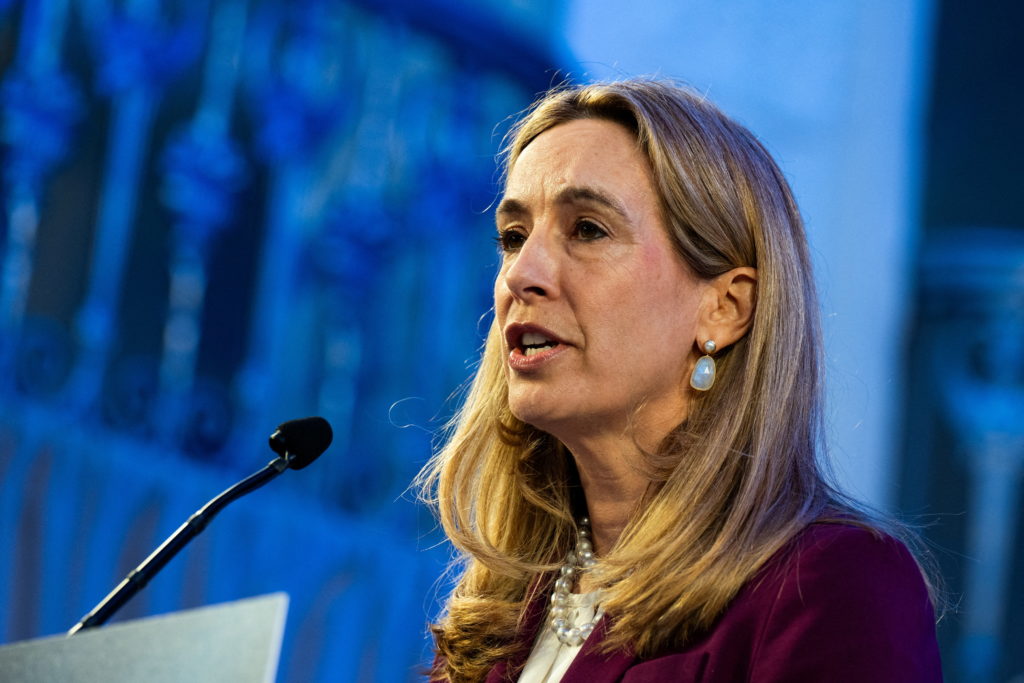
Reported facts: Governor Mikie Sherrill said a Motor Vehicle Commission software error resulted in roughly 6,600 noncitizens being registered to vote; a preliminary analysis indicated fewer than 400 of those individuals cast ballots. Attributed claims: the governor and state officials attribute the registrations to a system software error. Uncertainties: reporting describes the analysis as preliminary and does not detail how the error occurred, which races (if any) the ballots affected, or the precise verification methods used.
Source and Framing Analysis
Both PBS NewsHour and CBS News reported the same core facts and cited the governor’s statement; neither piece provides technical details about the software failure or complete audit results. The story is framed around numbers and official attribution to a software error, which leaves material questions open (cause, timeline, verification steps, and potential remedies). The lack of granular technical and audit detail is the key evidentiary gap that affects how confident readers can be about systemic causes and consequences.
Free every morning
Get the Daily Briefing
The stories shaping today—sourced carefully and considered through Scripture. No outrage bait.
Confirm by email. Unsubscribe at any time.
Biblical Reflection
This report raises issues of public trust, institutional competence, and the biblical call to truth and justice. The immediate facts — a state official acknowledging a registration error and a preliminary finding that a small number of affected registrations produced ballots — should temper alarm but also demand responsible investigation. Christians should seek both truth and mercy: insist on transparent, rigorous inquiry while avoiding rushes to accuse individuals or groups without evidence.
The story highlights how technical systems can fail and how those failures can implicate civic processes that our neighbors rely on. Practically, faithful citizens should expect and press for accountability (clear audits, corrective action, and safeguards) because protecting the integrity of public institutions serves the common good. At the same time, Christians should guard against weaponizing incomplete information for partisan advantage and should model humility, patience, and a commitment to factual clarity.
Finally, this event is a reminder that public governance and everyday technologies intersect; Christians called to love our neighbors should promote both truthful reporting and practical reforms that prevent future harm, while praying for leaders and officials tasked with repairing trust.
Scripture in context
- 1Proverbs 11:1 — A proverb contrasting honest and dishonest measures within the wisdom literature that instructs social and economic behavior in ancient Israel. — Public institutions should pursue accuracy and fairness; when systems err and affect people’s rights, Christians should call for honest measures, transparent correction, and restitution where needed.
- 2Romans 13:1-4 — Paul’s instruction about governing authorities in the context of Christian life under pagan and imperial rule, describing government as an institution ordained to maintain order and justice. — Christians should respect legitimate civic institutions while rightly pressing for accountability and just action when those institutions fail to protect the common good.
Faithful Response
Pray for clear, patient investigation and for officials to act transparently.
Seek reliable updates from official election authorities before sharing claims; avoid amplifying unverified numbers or allegations.
Engage constructively: contact local election boards to ask about audits and safeguards, or volunteer in nonpartisan election work to strengthen civic processes.
Free every morning
Get the Daily Briefing
The stories shaping today—sourced carefully and considered through Scripture. No outrage bait.
Confirm by email. Unsubscribe at any time.
Reflection and Discussion
- 1When institutions fail, how does Scripture call us to balance demands for justice with humility and mercy toward those who lead?
- 2How should the Christian commitment to truth shape our consumption and sharing of preliminary reports?
- 3What concrete measures should faithful citizens press for to restore confidence in public elections?
Sources
Reporting links are evidence inputs; Sanctuary News' biblical reflection is commentary.
- 1.6,600 noncitizens registered to vote by New Jersey motor vehicle system error, Gov. Sherill saysprimary_reporting
- 2.Software error improperly registered 6,600 noncitizens to vote, N.J. gov. saysadditional_reporting