News Summary
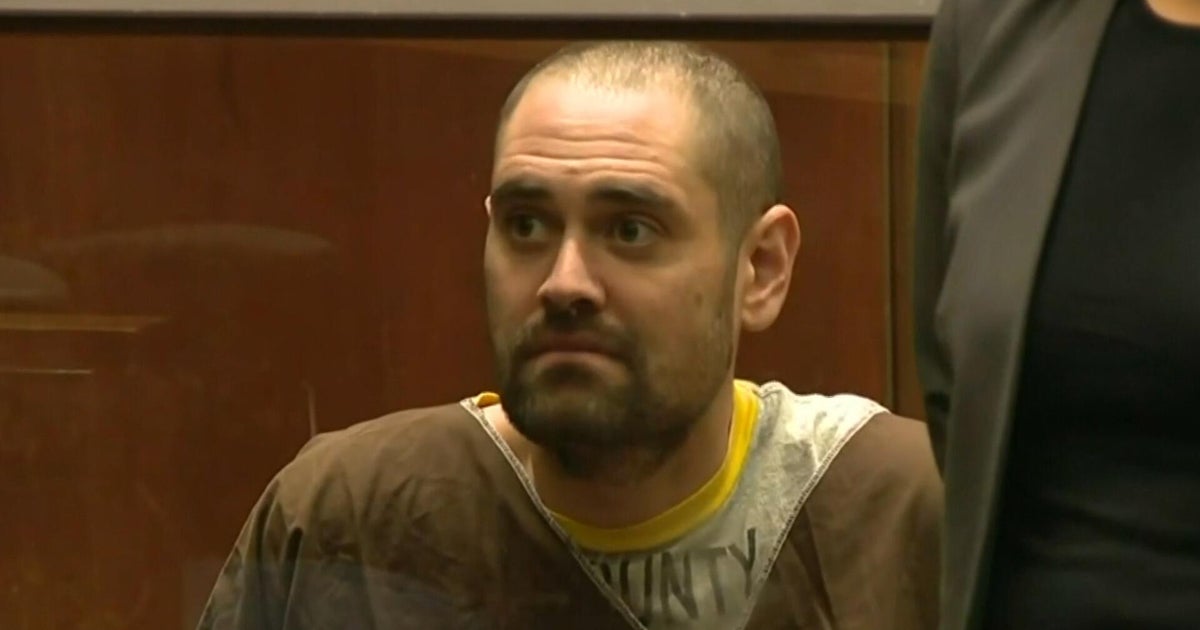
A grand jury indictment has been reported charging Nick Reiner with two counts of murder accompanied by special‑circumstance allegations in the deaths of his parents, identified in reporting as Rob and Michele Reiner. CBS News reports that Reiner pleaded not guilty. Other outlets supply additional alleged particulars—method (stabbings), location (Brentwood home), and timing (December)—that are not present in every account. All published items to date describe allegations in an active criminal process, not a conviction; several material details remain unconfirmed by court filings or official public statements in the supplied excerpts.
Source and Framing Analysis
Primary reporting in the supplied cluster includes CBS News, Fox News, and The Guardian. CBS (as supplied) emphasizes the legal posture: it reports an indictment charging two counts of murder with special‑circumstance allegations and states that Nick Reiner pleaded not guilty; it names the victims. Fox corroborates the indictment and adds situational details—reporting the deaths as stabbings at the parents’ Brentwood (Los Angeles) home and placing the incident in December—that do not appear in the CBS excerpt provided. The Guardian (included in the cluster reports) supplies additional procedural and factual claims: a grand jury indictment, a first‑degree murder allegation, attribution to the Los Angeles county district attorney’s office, an allegation that the defendant fled the scene, and reporting that the defendant has been held in custody without bail. Where outlets differ (for example, the manner, timing, and custody status), those details should be treated as provisional and attributed to the outlet that reported them until corroborated by court documents, official law‑enforcement statements, or filings from prosecutors or defense counsel. Coverage in all excerpts is largely factual and non‑sensational in tone, but because the alleged victims are prominent public figures, reporting carries heightened risk of sensationalism and rush to judgment; that risk argues for careful attribution, restraint in public commentary, and reliance on primary legal documents where possible.
Free every morning
Get the Daily Briefing
The stories shaping today—sourced carefully and considered through Scripture. No outrage bait.
Confirm by email. Unsubscribe at any time.
How sources covered this story
Sanctuary separately assesses reporting quality and alignment with Christian virtues. The virtues assessment considers truthfulness, dignity, compassion, justice, peacemaking, humility, and care for vulnerable people. It does not assess a publisher's faith or reward religious language.
Compare 3 reports
Reporting 72/100Virtues 82/100
- Distinctive contribution
- Reports the defendant’s entered plea (not guilty) and confirms two counts of murder with special circumstance allegations.
- Framing
- Brief, legal-procedural framing focused on charge-level details and courtroom posture (plea).
- Omissions or uncertainty
- Does not provide context such as how or when the plea was entered, the source of the plea information, details of the alleged crime (method, timeline), arrest or custody status, or statements from prosecutors/defense—limited to the plea and charges.
- Why these scores
- Clear and specific about the plea and charges, which are central legal facts. The excerpt is short and lacks broader context or sourcing in the supplied text, limiting its standalone completeness but still accurate and useful. The language is straightforward and non-sensational, focusing on procedural facts (plea). It neither vilifies nor exonerates subjects and sticks to attributable courtroom information, aligning well with truthfulness and respect for persons.
Reporting 82/100Virtues 80/100
- Distinctive contribution
- Names the formal charging action (grand jury indictment), the specific charge (first-degree murder), identifies the DA’s office as the announcing authority, notes alleged flight from the scene and that the defendant is held without bail.
- Framing
- Legal-factual reporting with a slight human-interest framing (identifying the victims as prominent in Hollywood) while focusing on prosecutorial action and criminal allegations.
- Omissions or uncertainty
- No detail on evidence supporting the indictment, no mention of a defense statement or attorney, no timeline for prosecution or arraignment in this excerpt, no explicit attribution of quoted sources beyond the DA’s office, and no clarification that charges are allegations (though implied).
- Why these scores
- The excerpt is specific about the charging instrument, charge level, source (DA’s office), and immediate circumstances (stabbing, fleeing, custody). It responsibly attributes the announcement and avoids definitive language about guilt. It’s concise but includes key procedural and factual points appropriate for a news brief. The excerpt is factual and not sensational; it respects the accused and victims by using standard legal language and attribution, avoiding dehumanizing descriptions. It mentions the victims’ prominence but does not exploit their status for sensational effect in the supplied text.
Reporting 70/100Virtues 75/100
- Distinctive contribution
- Confirms the method alleged (stabbing), the site (Brentwood home), month of the incident (December), and that two murder charges plus special circumstances are involved.
- Framing
- Concise factual reporting emphasizing the criminal allegations and setting (residence and timing).
- Omissions or uncertainty
- No attribution for facts in the excerpt, no mention of indictment mechanics (grand jury), no defendant plea or custody details, no statement from prosecutors or defense, and no elaboration on the special circumstances alleged.
- Why these scores
- The excerpt is concise and relays key factual allegations, but it lacks sourcing or additional context in the supplied text. It functions well as a brief corroborating item but is limited as a standalone report. The wording is straightforward and non-inflammatory in the supplied excerpt, sticking to allegations and basic facts without sensational language. The lack of additional context or sourcing prevents a higher score, but no clear ethical faults are evident in the excerpt.
Biblical Reflection
A faithful Christian outlook holds together truth and mercy. Truth requires distinguishing allegations from established facts and allowing the judicial process to assemble and test evidence; mercy and dignity call us to avoid dehumanizing language about the accused or the victims and to protect grieving family members from rumor. Justice and peacemaking counsel patience with legal processes, pastoral care for those distressed by the news, and principled restraint in public commentary. The reported presence of 'special‑circumstance' allegations indicates prosecutors are pursuing the case seriously; that heightens the need for rigorous legal scrutiny, humility in speech, and care for vulnerable neighbors affected by violence.
Scripture in context
- 1John 8:1–11 (the account traditionally titled 'the woman caught in adultery') — The Gospel account where those who judge are challenged and Jesus urges mercy while still upholding moral accountability. — This passage cautions against hasty public condemnation and urges a posture that resists vindictiveness while upholding accountability. It encourages combining mercy with a commitment to truth and urges Christians to avoid treating another’s suffering as public spectacle while still caring about justice and the protection of the vulnerable.
Faithful Response
Presume innocence in public discussion until evidence is tested and a court reaches a verdict; avoid amplifying unverified claims or speculation.
Pray for the grieving family, for the accused and their loved ones, and for investigators, prosecutors, defense counsel, and judges seeking a just resolution.
Offer practical, confidential pastoral and community support to those directly affected; provide resources for trauma counseling and bereavement care.
Resist social‑media circulation of uncorroborated details; when sharing information, attribute each specific claim to the outlet or official source that reported it.
Avoid dehumanizing language about any person involved; speak and write with humility, respect for human dignity, and care for vulnerable neighbors.
Encourage patience with the legal process and caution against using the case for partisan or sensational purposes.
Free every morning
Get the Daily Briefing
The stories shaping today—sourced carefully and considered through Scripture. No outrage bait.
Confirm by email. Unsubscribe at any time.
Reflection and Discussion
- 1How does presuming innocence shape the way we speak about someone publicly accused, especially when we feel angry or frightened?
- 2In what concrete ways can our community hold victims’ dignity while also caring pastorally for someone accused of violent wrongdoing?
- 3How should Christians balance the public’s desire for answers with the moral need to protect procedures that establish truth?
- 4What pastoral supports should we prepare for members experiencing acute distress or grief related to this case?
Sources
Reporting links are evidence inputs; Sanctuary News' biblical reflection is commentary.
- 1.Nick Reiner indicted on murder charges in parents' killings at their LA homeprimary_reporting
- 2.Nick Reiner indicted in murders of parents Rob Reiner, Michele Singer Reiner at Brentwood homeadditional_reporting