News Summary
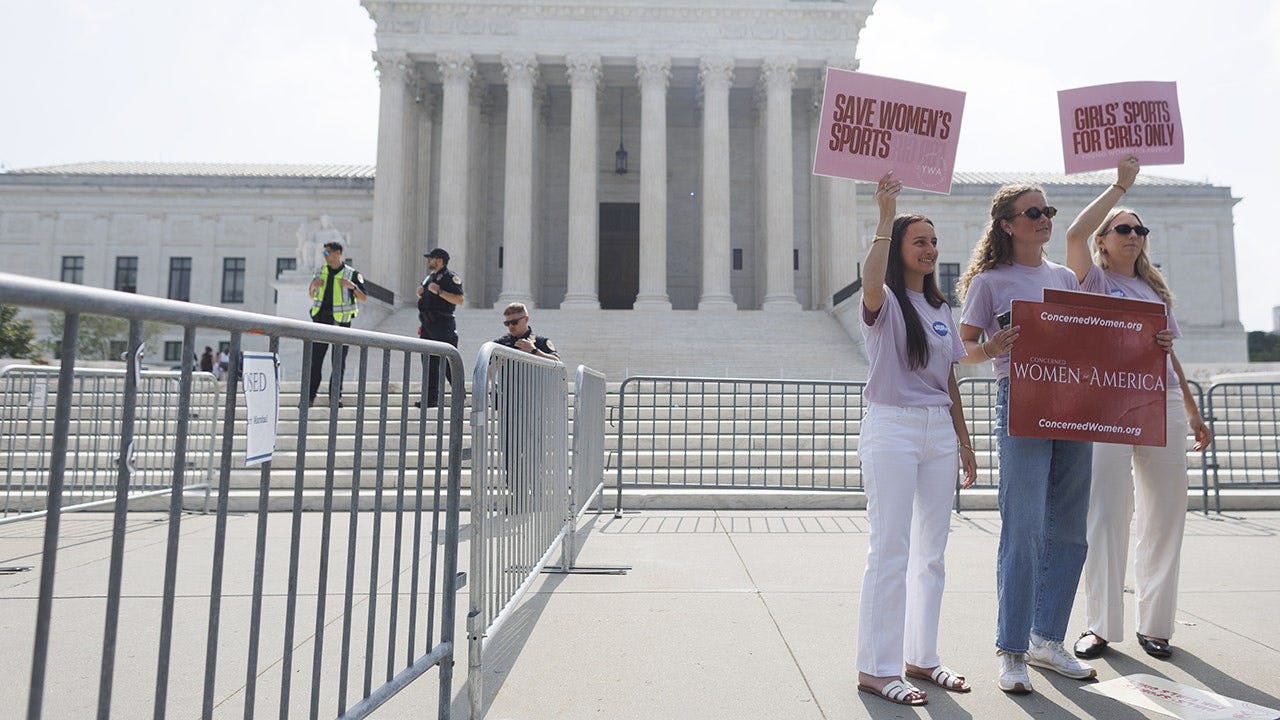
On June 30, 2026, NBC anchor Craig Melvin prefaced live reporting by noting that the terms “biological male” and “biological female” were being quoted from the Supreme Court’s decision and dissent in a ruling that upheld state bans barring transgender girls and women from participating on female school athletic teams. NBC correspondent Kelly O’Donnell used the quoted terms during a special report and emphasized the ruling’s narrow effect, saying the pool of transgender athletes seeking to compete is small. The Fox News story reports that NBC issued that on-air explanation, that some viewers ridiculed the explanation online, and that other networks’ reporters framed the ruling as a setback for transgender people. The decision, written by Justice Brett Kavanaugh for the court’s six-justice conservative majority, found that the West Virginia and Idaho bans did not violate the Constitution and stated that states may maintain girls’ and women’s sports for “biological females.” The article notes the court’s statements about Title IX, mentions that roughly 27 states have passed similar laws, and records political reactions including praise from former President Trump. Fox News Digital contacted NBC and ABC for comment.
Biblical Reflection
This story sits at the intersection of law, identity, and media practice. Factually, quoting court language is a legitimate journalistic move — reporters often read the precise phrasing of rulings — but the choice to highlight or repeat particular terms carries moral and pastoral weight: language shapes how people are seen. The NBC on-air clarification appears aimed at distinguishing reportage from endorsement, yet public reaction shows how polarized audiences read motive and identity into small editorial choices. From a Christian perspective, neither law nor journalism exists apart from moral responsibility. Truth matters: courts’ words should be reported accurately so citizens can understand legal effects. At the same time, mercy and human dignity require sensitivity to how language can wound already vulnerable people. Christians should be cautious of taking either a purely triumphalist stance (celebrating legal victories that demean others) or an uncritical acceptance of all framings; instead pursue honest reporting, careful listening, and pastoral care for those affected. Be alert to bias in sourcing and framing — media outlets often emphasize angles that fit their audiences, and partisan commentary (on all sides) can amplify ridicule or triumphalism rather than foster measured public understanding. Finally, hold both institutions and neighbors accountable: insist on clarity from judges and journalists about what rulings do and do not change, while resisting dehumanizing rhetoric toward people caught in the dispute.
Scripture in context
This outlook does not yet include contextual Scripture citations. Do not treat a general biblical theme as an exegetical conclusion.
Faithful Response
No prescribed response is offered. Consider the reflection prompts below in your own church context.
Reflection and Discussion
- 1When a reporter quotes legal language that can be hurtful, does repeating that language clarify the law or reinforce harm — and how should journalists balance accuracy with compassion?
- 2Whose interests and voices are centered in media coverage of this ruling, and who is left out of the conversation?
- 3Are public reactions shaped more by legal substance or by tribal politics, and how does that affect our ability to love our neighbor while upholding justice?
Sources
Reporting links are evidence inputs; Sanctuary News' biblical reflection is commentary.
This outlook currently relies on fewer than two linked sources. Broaden verification before teaching from it.
- 1.Original reportprimary