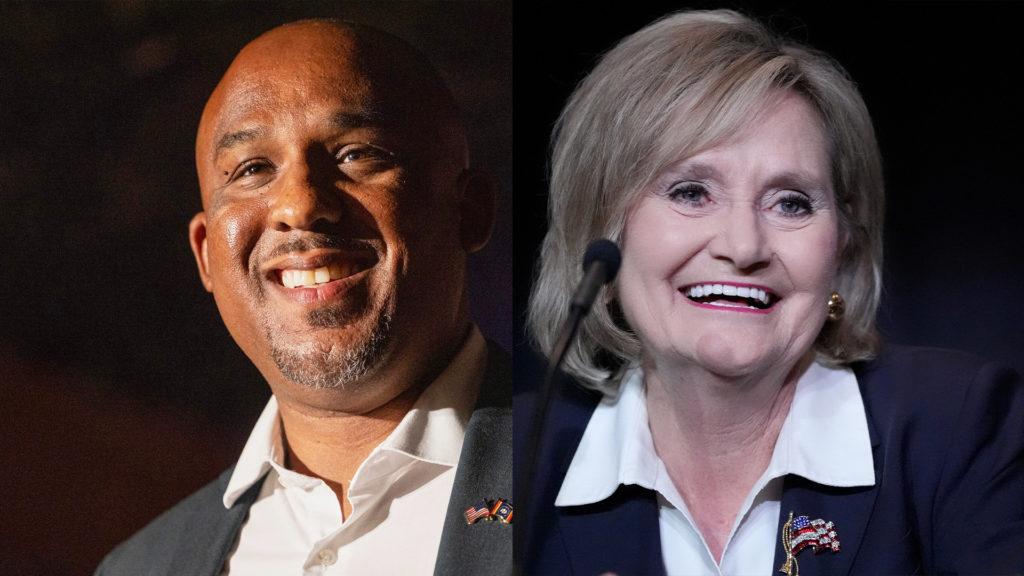
A little more detail
PBS NewsHour reports that Mississippi — a state not usually in close contests — remains undecided as election officials continue to count an unusually large number of absentee and provisional ballots. The piece, reported by Liz Landers in partnership with the Pulitzer Center, says those outstanding ballots could affect the size of the Democratic majority in the U.S. Senate.
The article describes local officials managing the ongoing count and highlights the race’s unusual character for Mississippi. It does not give ballot counts, vote margins, county-level details, or a timetable for a final result.
Source and Framing Analysis
The primary source is a PBS NewsHour report by Liz Landers (produced with the Pulitzer Center). PBS frames the story as a process-focused public-interest piece, emphasizing absentee and provisional ballots and election administration. Material uncertainties remain: the report omits numeric ballot counts, vote margins, candidate names in the supplied excerpt, specific counties or officials, and any timeline for when results will be finalized. Those omissions limit how definitive we can be about outcome timing or exact impact on Senate control.
How sources covered this story
This section compares the evidence and framing in linked reports. The Christian assessment above addresses the conduct described in the story; it does not grade a journalist’s faith or the morality of covering an event.
Compare 1 reports
Reporting 80/100
- Distinctive contribution
- Identifies absentee and provisional ballots as the decisive factor in the race and emphasizes election officials' handling of the ongoing count; notes the report's partnership with the Pulitzer Center and names the reporter (Liz Landers).
- Framing
- Neutral, process-focused public-interest framing that highlights procedural details (ballot types, election administration) and the national significance (impact on Democratic Senate majority).
- Omissions or uncertainty
- No candidate names, vote margins, counts, dates, or specific counties/officials are provided. The excerpt does not quantify the number of absentee/provisional ballots nor describe timelines for when results are expected. It also lacks direct sourcing or on-the-record quotes in the supplied text.
- Why these scores
- Clear, concise public-interest reporting with proper attribution (reporter named, partnership noted) and restrained language. The excerpt responsibly flags the cause of the delay and the stakes without sensationalism. It is brief and lacks numeric specifics and on-the-record details in the supplied text, which prevents a higher score but does not indicate poor practice.
Christian commentary · About the conduct described in this story
Biblical Reflection
, in its wisdom context, contrasts honest measures with dishonest ones and praises fair practice. Applied here, careful counting and transparent procedures protect neighbors and public trust.
Practically, Christians can pray for and thank election workers, resist sharing rumors, and follow official updates patiently. That posture supports peace, truth, and respect for the voting dignity of others.
Scripture in context
- 1 — A wisdom proverb contrasting honest and dishonest business practices; the book encourages fairness, integrity, and right relationships in both private and public life. — Read alongside close elections, the passage calls Christians to value accurate, fair processes that preserve others' dignity and the community's trust.
A suggested response for readers, separate from the assessment above.
Faithful Response
Pray for and thank local election workers, follow official updates from trusted sources, and avoid sharing unverified claims while the count finishes.
Reflection and Discussion
- 1How does careful, transparent vote counting reflect Christian commitments to truth and justice?
- 2Where might impatience or rumor undermine neighborly care during close elections?
Sources
Reporting links are evidence inputs; Sanctuary News' biblical reflection is commentary.
This is a developing, single-source report. Details may change as more reporting becomes available.
- 1.Mississippi voters reflect on surprising Senate race as count continuesprimary_reporting