News Summary
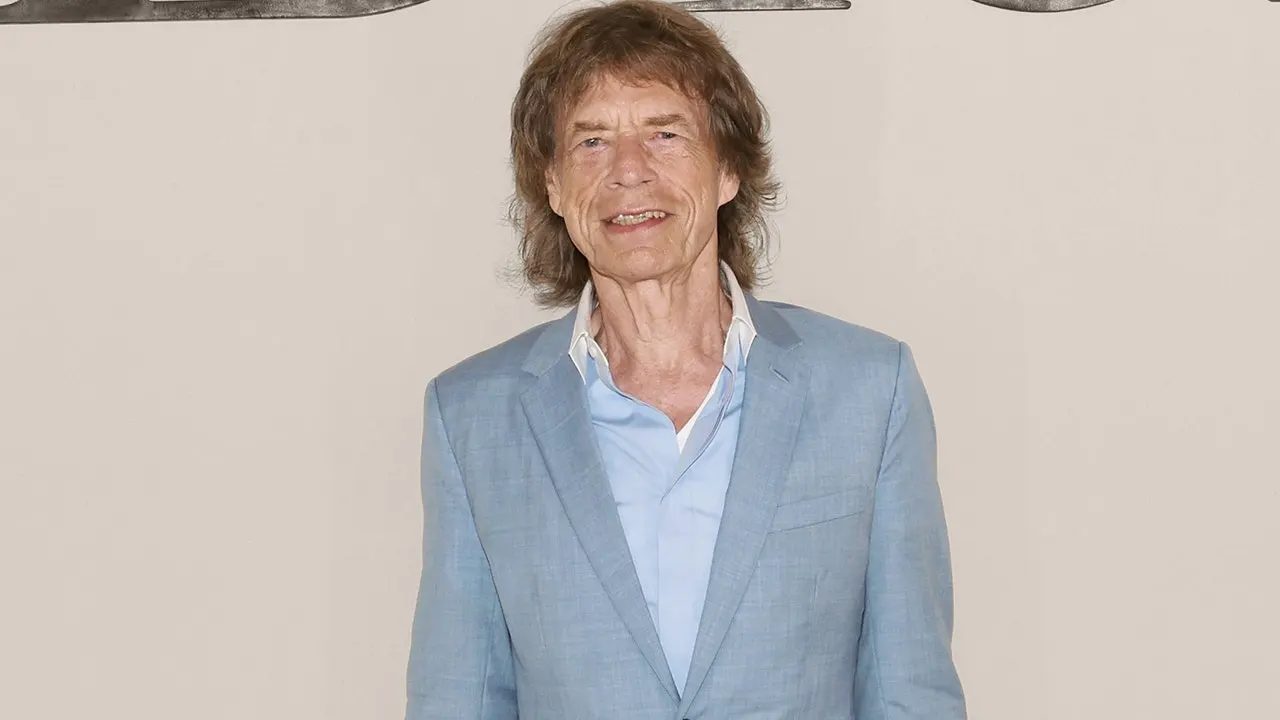
On the New York Times podcast "The Interview," Rolling Stones frontman Mick Jagger said his primary role as a live performer is to make audiences "have the best time" and to provide an escape from daily concerns, adding that he does not want to "lecture" people at shows. He also said he will sometimes include political or social commentary within a verse of a song rather than make an entire song about politics. The article notes a May 2024 incident at the New Orleans Jazz & Heritage Festival when Jagger called out Louisiana Governor Jeff Landry by name; Landry later replied on social media, quoting a Rolling Stones lyric and saying Jagger was welcome in Louisiana. The piece also briefly references rapper Vanilla Ice commenting that music can unite people across political divides.
Biblical Reflection
This is an entertainment piece about an artist's view of his vocation and a small public exchange with a political figure. The article frames Jagger's stance as valuing joy, rest, and communal respite—legitimate goods—while acknowledging that artists sometimes speak into public life through lyrics or stage remarks. From a Christian perspective, the tension here is familiar: rest and rejoicing are important for human flourishing, yet truth-telling and prophetic witness also have place in public speech. The article leans toward light human-interest coverage rather than deep analysis, which can flatten the ethical question of when a performer should use their platform for social critique. Christians should note two realities: first, offering joy and relief to others—helping people bear burdens for a time—is a merciful service; second, speaking truth to power or calling public figures to account can be an act of courage and love when done with humility and concern for neighbor. The media’s focus on a brief verbal spar risks reducing both impulses (entertainment and critique) to click-friendly conflict rather than inviting careful reflection about responsibility, context, and charity in public speech.
Scripture in context
This outlook does not yet include contextual Scripture citations. Do not treat a general biblical theme as an exegetical conclusion.
Faithful Response
No prescribed response is offered. Consider the reflection prompts below in your own church context.
Reflection and Discussion
- 1Do I assume an artist's duty is only to entertain or only to critique, and how does that assumption shape my response to public remarks?
- 2When public figures clash in brief, performative exchanges, am I discerning the substance beneath the soundbite or simply picking a side?
- 3How would humility, mercy, and courage change the way artists and politicians use public platforms toward the good of their neighbors?
Sources
Reporting links are evidence inputs; Sanctuary News' biblical reflection is commentary.
This outlook currently relies on fewer than two linked sources. Broaden verification before teaching from it.
- 1.Original reportprimary