News Summary
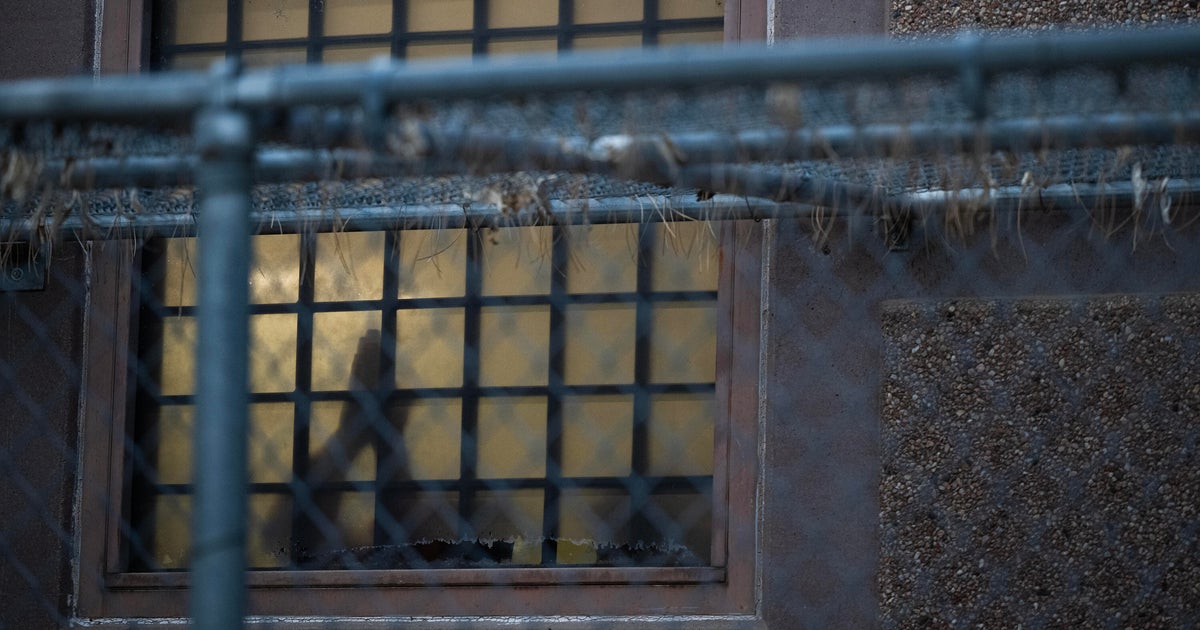
A CBS News analysis of Office of Detention Oversight (ODO) inspection reports found that, as of late June 2026, 15 of 45 immigration detention facilities holding an average of 500 or more people had not been inspected in over 12 months and five had no inspection on record. Since 2019, ODO inspections identified at least one deficiency in nearly 90% of inspections. ICE changed its inspection cadence in 2025 from semiannual inspections to annual inspections of dedicated facilities and biennial inspections (or assisted self-inspections) for many non-dedicated or smaller facilities. DHS and ICE officials say inspection frequency now depends on facility type, capacity, and function and that dedicated facilities are scheduled for inspection during the current fiscal year; critics say the change reduces accountability. Other oversight changes noted include allowing some facilities to follow U.S. Marshals Service standards, permission for assisted self-inspections, reduced oversight offices (such as cuts to the Office of the Immigration Detention Ombudsman and the Office for Civil Rights and Civil Liberties), and relaxed detention standards including removal of some detainee labor compensation rules. CBS cited instances of serious problems amid reduced inspection frequency: elevated death rates in custody, hunger strikes and protests over conditions (Delaney Hall, New Jersey), alarming findings at Camp East Montana (El Paso), multiple suicides after an inspection at Stewart Detention Center (Georgia), and discrepancies between state or congressional inspections and ODO reports (Adelanto). The analysis also noted that the number of facilities holding ICE detainees rose from 104 to 203 between February 2025 and April 2026. Government accountability reviews (GAO and DHS OIG) and experts cited concerns that ODO lacks ways to measure whether inspection practices effectively protect detainee health and safety. DHS has received congressional funding for additional Inspector General inspections, but the current funding measures do not reinstate prior ODO inspection mandates.
Biblical Reflection
From a Christian perspective the central issue is stewardship of power and protection of vulnerable neighbors. The article documents administrative choices that reduce independent and frequent oversight of places where people are deprived of liberty and thus especially dependent on external protections. The stated rationale—efficiency, use of local facilities, or tailoring inspections by facility type—addresses operational concerns, but the reporting shows real-world risks: repeated deficiencies, deaths, military-style transfers of oversight to less-stringent standards, and fewer independent complaint channels. The worldview driving the policy shift appears pragmatic and cost-focused, privileging operational flexibility and local partnerships over frequent accountability. Christian commitments to truth, justice, and mercy call for transparent systems that guard human dignity, especially for people with limited political voice. At the same time, the coverage largely rests on ODO data and on critical expert and watchdog perspectives; DHS statements and funding for Inspector General inspections were included, so readers should note both critique and official defense. Christians should press for balanced discernment: support fair, efficient administration of law while insisting that efficiency cannot excuse weakened safeguards against harm, neglect, or abuses of power.
Scripture in context
This outlook does not yet include contextual Scripture citations. Do not treat a general biblical theme as an exegetical conclusion.
Faithful Response
No prescribed response is offered. Consider the reflection prompts below in your own church context.
Reflection and Discussion
- 1Does the drive for operational efficiency justify reducing independent oversight where people are detained and unable to advocate for themselves?
- 2Which voices and data are being centered or sidelined when policy changes about inspections are presented as technical or administrative?
- 3How should Christians weigh competing civic goods—order and efficiency versus transparency and protection for the vulnerable—when public policy affects human dignity?
Sources
Reporting links are evidence inputs; Sanctuary News' biblical reflection is commentary.
This outlook currently relies on fewer than two linked sources. Broaden verification before teaching from it.
- 1.Original reportprimary