Pastoral Outlook
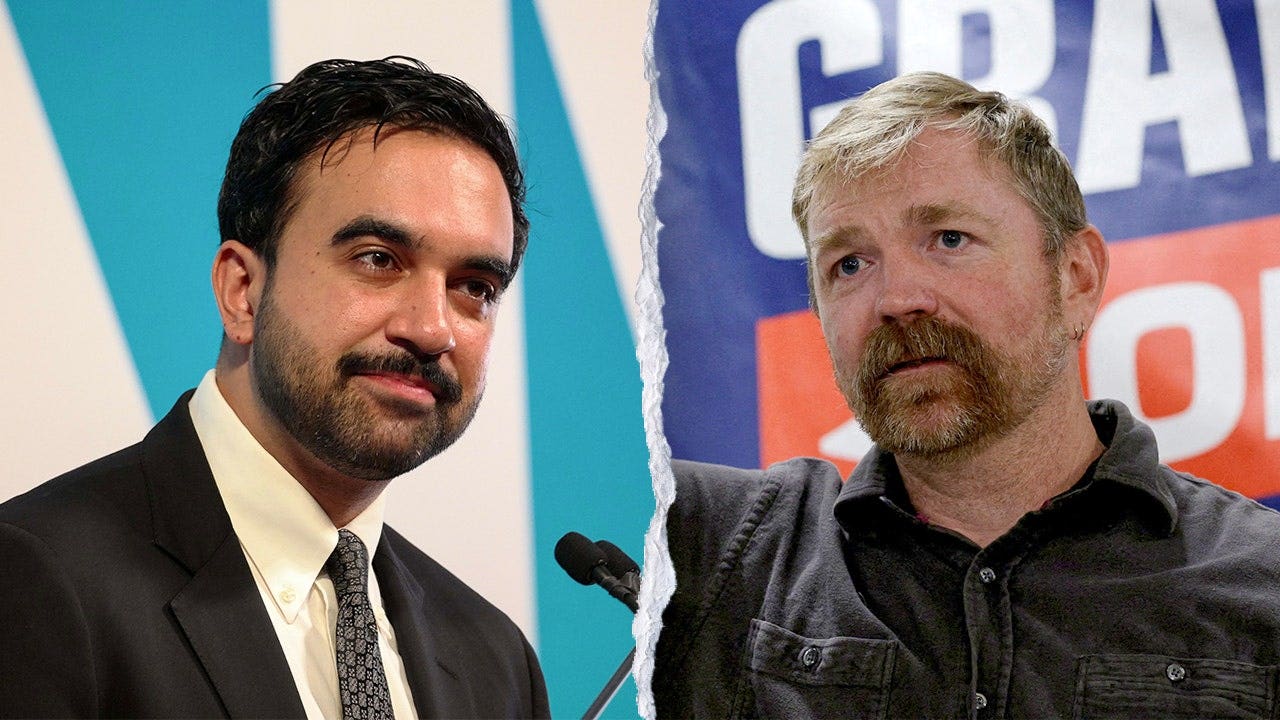
New York City Mayor Zohran Mamdani said he will continue to work with political consultant Morris Katz despite calls from some Democrats, including a letter circulated by Democratic Socialists of America, urging allies to avoid him. Katz was a leading consultant on the campaign of Maine Senate candidate Graham Platner, who suspended his campaign after an ex-girlfriend accused him of rape; Platner has denied the allegation. Sources told Fox News Katz and his partner Daniel Moraff paid roughly $6,000 for a three-day vetting job on Platner—work that typically takes longer and costs substantially more—and allegedly ignored requests from their own vetting team to investigate further. Katz has been credited with helping Mamdani win his upset race and said he advised Platner to suspend his campaign once allegations emerged. Katz has also faced criticism over a previously authored 2020 puberty-themed book that contained a controversial footnote, and reports say he threatened a former Platner staffer to discourage cooperation with reporters. Platner’s campaign attracted attention for deleted Reddit posts, an alleged Nazi-linked tattoo from military service, and accusations of mistreating women. Many Democrats criticized Katz’s role in promoting Platner and questioned the thoroughness of the campaign’s vetting.
From a Christian perspective this story raises two legitimate concerns that must be held together: the need for truth, accountability, and protection for the vulnerable, and the need for fair process and compassion. Public trust in leaders and parties erodes when character and misconduct are not taken seriously; political operatives and elected officials bear responsibility to vet candidates carefully and to act transparently when red flags arise. At the same time, reporting and political reactions can be shaped by partisan interests and sensational language; Christians should be cautious about rushing to judgment while also refusing to excuse wrongdoing. The article’s framing—published by a partisan outlet—tends to highlight scandal and assign culpability in ways that serve political narratives; discerning readers should separate provable facts (timelines, payments, statements) from opinionated labeling and social-media amplification. Practically, Christians should pray for truth to be established, for survivors to be heard and supported, and for leaders to choose advisors whose character aligns with the public good, modeling humility and integrity rather than ambition alone.Thought to Remember
“Seek truth and protection for the vulnerable, but temper just judgment with humility and care.”