Pastoral Outlook
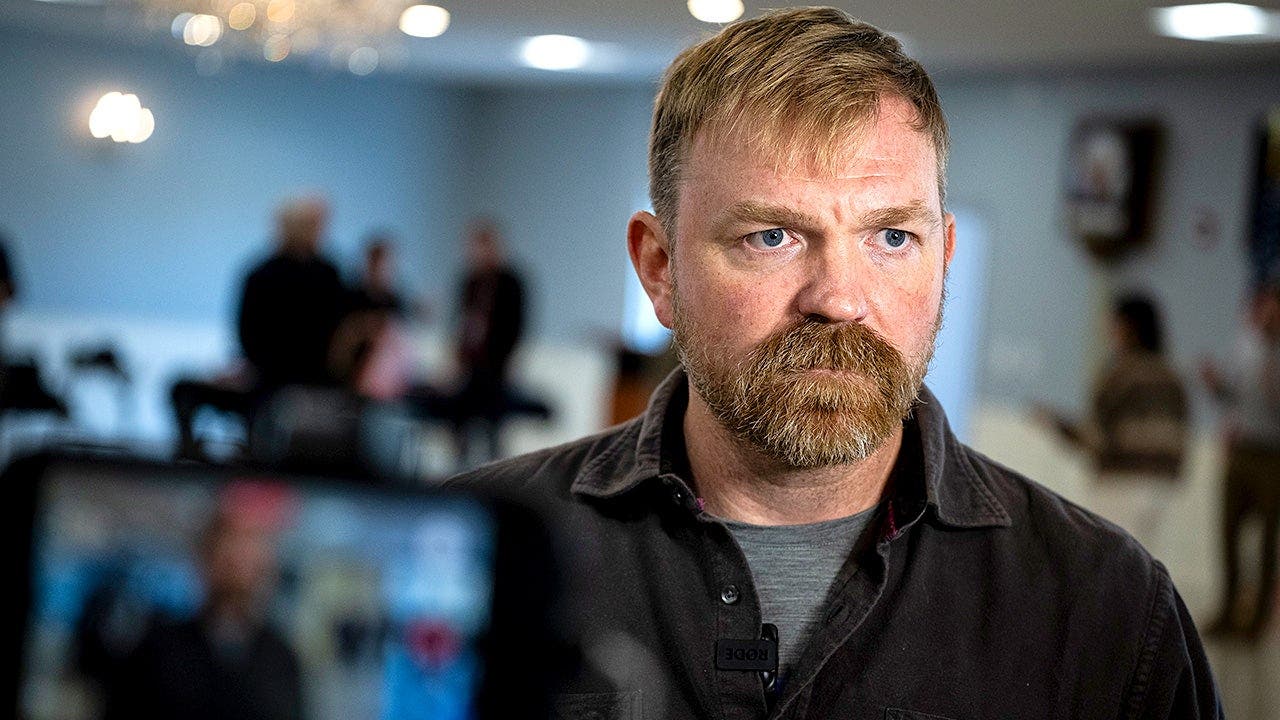
Graham Platner, the Democratic nominee for U.S. Senate from Maine who won the June 9 primary, announced he was suspending campaign operations in a video posted to X after multiple recent controversies and a public rape allegation reported by CNN. In his video Platner called the accusations false, said the situation had placed an immense weight on him, and argued that “those in power” and the political establishment were working against his movement; he said the movement must continue without him. The suspension occurred five days before a deadline for Democrats to replace him on the general-election ballot. Platner has denied the allegations. The allegations against him include a rape allegation by Jenny Racicot, public accusations from an ex-girlfriend Lyndsey Fifield alleging nonconsensual conduct and removal of condoms, reports of sexually explicit messages exchanged while married, controversial online comments from a now-deleted Reddit account, and a chest tattoo that critics say resembled a Nazi symbol (which Platner says is a skull-and-crossbones). Some past allies and endorsers, including Senator Bernie Sanders and Rep. Ro Khanna, publicly called for him to step aside. MS NOW host Catherine Rampell criticized Platner’s resignation video as finger-pointing and said he took no responsibility for the scandals; Fox News Digital reported on Rampell’s comments and listed the sequence of controversies. Platner’s campaign has called some allegations politically motivated and repeatedly denied wrongdoing. Fox News Digital sought comment from Platner but did not receive an immediate response.
This story sits at the intersection of leadership accountability, the protection of the vulnerable, and partisan media dynamics. The article mixes straightforward reporting of events (a campaign suspension, a coming deadline, named allegations, denials, and statements by public figures) with opinionated media commentary. Christians should affirm two commitments at once: a firm concern for justice and care for alleged victims, and a commitment to truth, due process, and charitable restraint when facts remain contested. The immediate impact is political — a sudden vacancy on a statewide ballot and pressure on party structures — but the deeper moral question is about how leaders and communities respond when wrongdoing is alleged. The article reveals common patterns: tribal deflection (blaming “the establishment”), media amplification, and rapid calls for removal that can be appropriate or premature depending on evidence. Pastoral prudence calls for listening to survivors, demanding transparent investigation, resisting partisan cheerleading or reflexive dismissal, and insisting that leaders show repentance and accountability when wrongdoing is substantiated. Media commentary like Rampell’s rightly presses for responsibility, but readers should note where moral critique ends and partisan framing begins.Thought to Remember
“Seek both truth and mercy: insist on clear facts and accountability, while treating people — complainant and accused — with dignity and restraint until the truth is established.”