News Summary
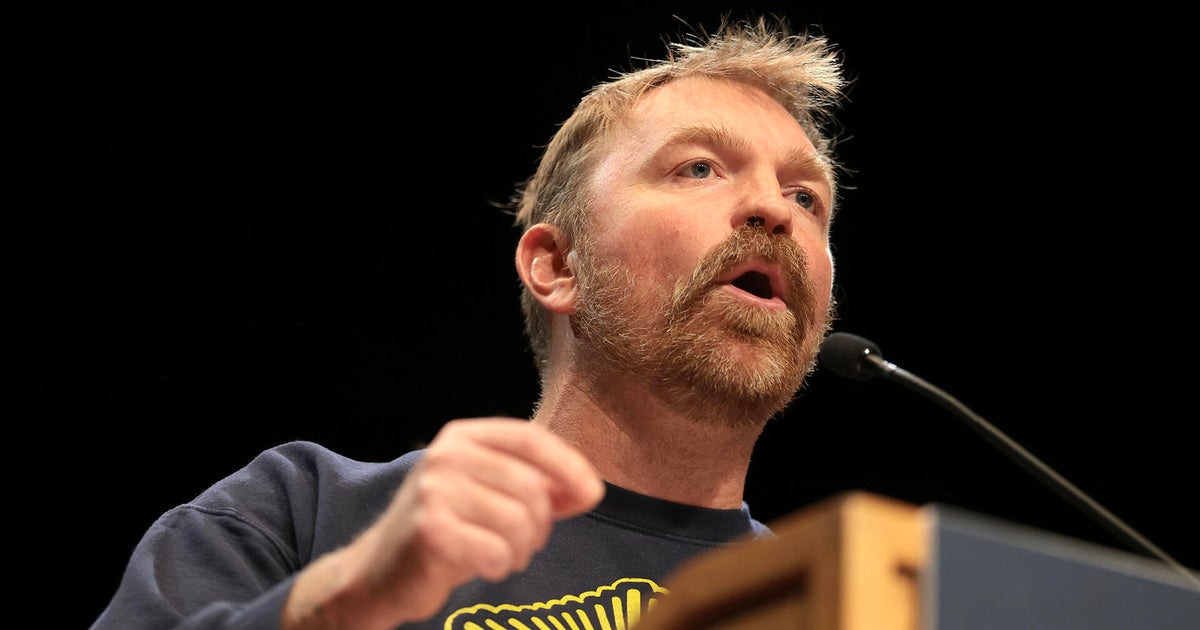
Maine Democratic Senate candidate Graham Platner announced on July 8, 2026, that he is suspending his campaign after a woman, Jenny Racicot, accused him of sexually assaulting her in late 2021. Racicot told Politico and later CNN that Platner entered her home without permission while drunk, forced himself on her, and ignored her demands to stop; she described the encounter as rape. Platner has denied the allegation, calling it "categorically false," and said he will file paperwork to withdraw from the Senate race. His suspension came after state and national Democratic officials — including the Maine Democratic Party, Senate Minority Leader Chuck Schumer, Sen. Kirsten Gillibrand and the Democratic Senatorial Campaign Committee — urged him to leave the race; the DSCC said it would not invest in the contest if Platner remained on the ballot. Several high-profile supporters rescinded endorsements, and Senate Majority PAC redirected resources away from the Maine race. Under Maine law, the state party has until July 27 to select a new nominee; party leaders said Platner will have no role in that process. The race had been closely watched because Democrats aim to unseat long-time Republican Sen. Susan Collins. The article also notes prior controversies involving Platner, including problematic past social media posts, a tattoo he said he later covered that is widely understood as a Nazi symbol, reports of sexually explicit texts sent while married, and earlier allegations of unsettling or threatening behavior by women he dated; Platner has acknowledged struggles with undiagnosed PTSD and alcohol during a past period of his life. Republican officials criticized Democrats for their association with Platner after his withdrawal. The story is reported as breaking and subject to updates.
Biblical Reflection
This story raises two weighty concerns that should shape a Christian response: the need for truth and the need for compassionate justice. Christians should resist partisan impulses that either reflexively defend a candidate or weaponize an allegation for political gain. At the same time, the church must take claims of sexual violence seriously and listen to survivors without presuming guilt or innocence before fair processes can proceed. The article shows how media attention and party pressure can rapidly change political calculations; that dynamic can shortcut careful fact-finding and can also be necessary when political support enables or shields harmful behavior. A faithful observer should press both for a thorough, impartial investigation and for pastoral care for everyone affected — the accuser, the accused, campaign staff, and voters — while refusing to reduce human beings to political utility. Finally, notice how institutions (parties, PACs, media) shape outcomes; Christians must weigh calls for accountability alongside humility about what is known and what remains unproven.
Scripture in context
This outlook does not yet include contextual Scripture citations. Do not treat a general biblical theme as an exegetical conclusion.
Faithful Response
No prescribed response is offered. Consider the reflection prompts below in your own church context.
Reflection and Discussion
- 1How are partisan interests and media timelines shaping which allegations get amplified and how quickly political decisions follow?
- 2Are we holding both the need for survivor care and the presumption of due process in proper balance?
- 3What pressures on institutions (funding, endorsements, polls) can unintentionally short-circuit careful investigation and fair treatment?
Sources
Reporting links are evidence inputs; Sanctuary News' biblical reflection is commentary.
This outlook currently relies on fewer than two linked sources. Broaden verification before teaching from it.
- 1.Original reportprimary