News Summary
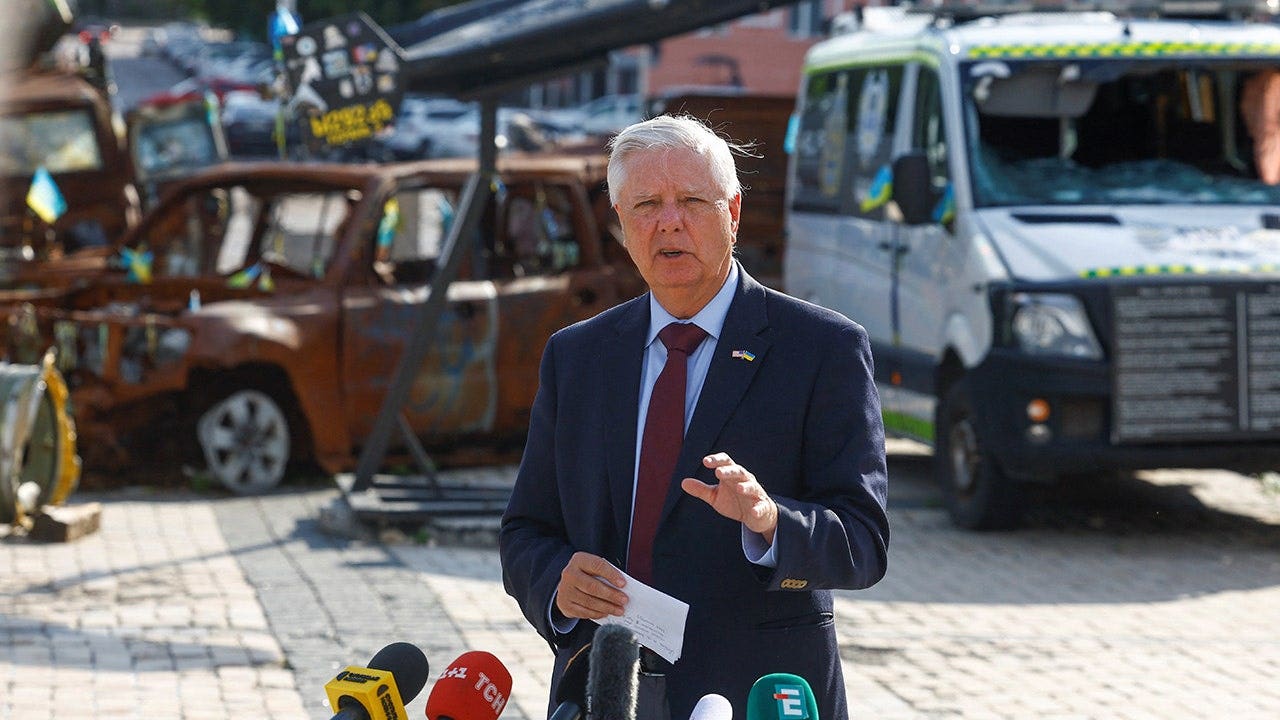
Sen. Lindsey Graham, a Republican from South Carolina known for his interventionist foreign policy views, transformed a bitter 2015 political rivalry with Donald Trump into a close working relationship over the following decade. Graham frequently traveled abroad, served as an informal envoy between the White House and allied leaders, and was a regular adviser to Trump on matters including Iran, Ukraine, Israel, and NATO. At the time of his sudden death, he had just returned from his tenth trip to Ukraine, was preparing to press a bipartisan Russia sanctions bill through the Senate, and had been working on Saudi-Israel normalization and other regional initiatives. Trump and other colleagues praised Graham's accessibility, work ethic, and influence; some foreign leaders expressed concern that his death could weaken Ukraine’s advocacy within the Trump orbit. The article reports Graham’s consistent hawkish positions, his role as a link between the administration, Congress, and foreign leaders, and that his legislative efforts were recently advancing in coordination with the White House.
Biblical Reflection
This article highlights a public servant who invested his career in foreign affairs and found influence through proximity to power. The narrative leans toward honoring Graham’s dedication and effectiveness as an advocate for allied nations and a muscular U.S. posture. Readers should note the piece’s eulogistic tone and limited engagement with critiques of interventionist policy or the human costs of sustained military pressure. From a Christian perspective, we can affirm virtues visible here—diligence, faithfulness to one’s calling, and care for allies—while also asking sober questions about the tendency to equate strength with military action. Christian wisdom calls for both courage and humility: courage to speak truth into power and humility to seek peace, protect the vulnerable, and weigh the ethical costs of policies that lead to violence. Pray for clarity for leaders who must now fill Graham’s role, and for policies shaped by justice, mercy, and a real desire for sustainable peace.
Scripture in context
This outlook does not yet include contextual Scripture citations. Do not treat a general biblical theme as an exegetical conclusion.
Faithful Response
No prescribed response is offered. Consider the reflection prompts below in your own church context.
Reflection and Discussion
- 1Does the article frame influence in Washington primarily as a measure of effectiveness, and what voices or consequences might that framing leave out?
- 2How does honoring a leader’s dedication to national security change when weighed alongside the Christian call to be peacemakers and protectors of the vulnerable?
- 3Who gains and who bears the cost when proximity to power becomes the decisive factor in foreign-policy outcomes?
Sources
Reporting links are evidence inputs; Sanctuary News' biblical reflection is commentary.
This outlook currently relies on fewer than two linked sources. Broaden verification before teaching from it.
- 1.Original reportprimary