News Summary
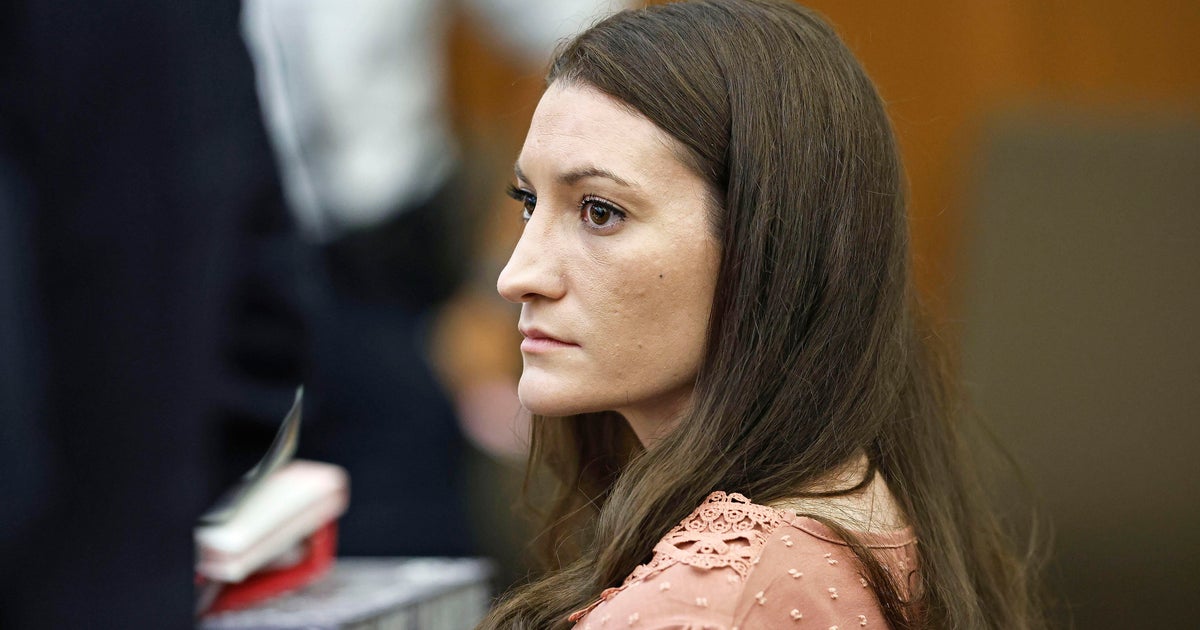
The criminal trial of Lindsay Clancy in Massachusetts continued as prosecutors presented additional expert testimony about her mental state. CBS News noted a forensic psychologist retained by the prosecution testified as the trial resumed. PBS NewsHour placed the testimony within a larger trial timeline—after nearly a month of evidence—reporting that final witnesses were expected and that an FBI psychiatrist for the prosecution testified the choices Clancy made while killing her three young children indicated she remained in control. Both outlets provided live-coverage updates that identify the central contested issue (Clancy's mental state) but offered limited procedural detail, the experts' names, credentials, methodologies, or defense responses.
Source and Framing Analysis
CBS News framed its coverage as live, procedural reporting and explicitly attributed upcoming testimony to a forensic psychologist retained by the prosecution; the piece is concise and focuses on courtroom timing rather than substance. PBS NewsHour provided broader context about the trial's duration (nearly a month of testimony) and reported a prosecution-attributed substantive claim from an FBI psychiatrist that Clancy's choices during the killings suggested retained control. The two accounts are complementary: CBS supplies a procedural fact about a prosecution-hired forensic psychologist, while PBS supplies contextual framing and an attributed prosecutorial expert conclusion. Neither outlet, in the live-update excerpts, supplied the experts' names, detailed methods, direct testimony excerpts, the defense's psychiatric evidence (if any), or how the experts' opinions were mapped to legal standards for culpability. No direct contradictions appear in the excerpts; the main gap is limited substantive and methodological detail about the expert testimony and the defense response.
Free every morning
Get the Daily Briefing
The stories shaping today—sourced carefully and considered through Scripture. No outrage bait.
Confirm by email. Unsubscribe at any time.
How sources covered this story
Sanctuary separately assesses reporting quality and alignment with Christian virtues. The virtues assessment considers truthfulness, dignity, compassion, justice, peacemaking, humility, and care for vulnerable people. It does not assess a publisher's faith or reward religious language.
Compare 4 reports
Rank 1
PBS NewsHour: WATCH LIVE: Presentation of evidence expected to conclude in Lindsay Clancy trialReporting 75/100Virtues 76/100
- Distinctive contribution
- Reports that an FBI psychiatrist testified the choices Clancy made indicated she remained in control while killing her children — a direct, material claim about the nature of the evidence presented by the prosecution.
- Framing
- Courtroom-focused, evidentiary framing emphasizing prosecution's psychiatric evidence and its implication for criminal responsibility.
- Omissions or uncertainty
- Does not provide the psychiatrist's name, qualifications, methodology, the defense's counterarguments, or supporting examples from the testimony; no detail on how the prosecution links those findings to legal standards.
- Why these scores
- Gives a significant substantive claim with attribution to an FBI psychiatrist and correctly frames it as testimony; however the excerpt lacks methodological detail and defense rebuttal, limiting assessment of completeness. Reports a serious, sensitive allegation in a measured way with attribution, avoiding sensational language; acknowledges contested nature by attributing the claim to prosecution testimony, which respects fairness and humility.
Reporting 72/100Virtues 75/100
- Distinctive contribution
- Summarizes the trial's central theme — the question of Clancy's mental state when she killed her children — giving readers a concise lens for the testimony being presented.
- Framing
- Contextual, thematic framing that highlights the mental-state/insanity aspects of the case as the dominant narrative of the trial.
- Omissions or uncertainty
- Doesn't define which legal standard of mental state is at issue, how testimony maps onto that standard, nor provide specifics of evidence for or against the defense's mental-state claims.
- Why these scores
- Provides useful contextual synthesis in a concise form and correctly orients readers to the trial's central issue; lacks depth on legal standards and evidentiary specifics but is appropriate for a live summary. Highlights an important human dimension (mental health) of the case in a measured way, which supports humane understanding; does not sensationalize and respects complexity.
Reporting 70/100Virtues 72/100
- Distinctive contribution
- States that the prosecution's final rebuttal witness is testifying and that the trial will wind down Wednesday, corroborating other live-coverage notes about the trial schedule and stage.
- Framing
- Neutral, procedural live-coverage headline focusing on courtroom timing and the fact that testimony is concluding.
- Omissions or uncertainty
- No detail about the identity, qualifications, or subject matter of the rebuttal witness; no summary of what was said or how it bears on culpability or defenses; no dates beyond 'Wednesday' and no context about prior testimony.
- Why these scores
- Clear and factual for a live-watch headline; appropriately cautious and narrowly attributable. Limited in depth (no substance of the witness's testimony), but performs its purpose as a live-update notice responsibly. Neutral, non-sensational language that respects participants by focusing on factual courtroom process; does not exploit victims or inflame readers. Limited moral framing but not harmful.
Reporting 70/100Virtues 72/100
- Distinctive contribution
- Identifies that testimony came from a prosecution-hired forensic psychologist, which helps map the evidentiary strategy (psychological/forensic evidence) being used against the defendant.
- Framing
- Procedural live-coverage with an evidentiary focus, emphasizing expert testimony and the prosecution's case-building.
- Omissions or uncertainty
- No detail on the psychologist's conclusions, methods, or specific opinions; defense responses, cross-examination, and how the testimony fits into legal standards are not included.
- Why these scores
- Accurate and appropriately concise for live coverage; useful attribution (prosecution-hired expert) but limited in substantive detail, which is acceptable for a short live-update format. Neutral and factual language, avoiding sensationalism; provides information relevant to public understanding of the trial without demeaning parties or inflaming readers.
Biblical Reflection
Christians should hold truth and mercy together in response to this case. Truth requires careful attention to a fair legal process that establishes facts and accountability; mercy calls us to resist voyeurism, dehumanizing rhetoric, and premature judgment of persons who suffer. Practically: pray for the bereaved family, for Lindsay Clancy, jurors, witnesses, and legal professionals; avoid sharing or amplifying unverified speculation; support or connect people to concrete local resources that strengthen child safety and mental-health care; and offer pastoral presence that listens without rushing to simple answers. This posture seeks justice for harm while upholding human dignity and care for vulnerable neighbors.
Scripture in context
- 1Luke 10:25-37 (Parable of the Good Samaritan) — A question about 'Who is my neighbor?' prompts a story in which a marginalized person shows compassionate, costly care to someone in need, overturning narrow legalism in favor of active mercy. — The passage calls Christians to hold justice and compassion together: advocate for protection and care of harmed children and their family while resisting dehumanizing the accused. It reminds the church to act practically on behalf of the vulnerable (provision, advocacy, counseling) and to temper public judgment with humility about human brokenness.
Faithful Response
Pray specifically for the victims' family, for Lindsay Clancy, for jurors, witnesses, and the legal professionals engaged in the trial.
Avoid sharing unverified details or speculation; respect the court process and the dignity of those affected by the case.
Provide or connect grieving neighbors with concrete support (meals, childcare, grief-counseling referrals) rather than participating in public sensationalism.
Encourage and support local ministries and services that offer mental-health care, bereavement support, and child-protection advocacy.
Offer pastoral presence: be available to listen, to sit with sorrow without offering premature answers, and to guide congregants away from gossip and toward practical compassion.
Free every morning
Get the Daily Briefing
The stories shaping today—sourced carefully and considered through Scripture. No outrage bait.
Confirm by email. Unsubscribe at any time.
Reflection and Discussion
- 1What assumptions do I bring when I hear violent crimes discussed in connection with mental illness, and how do those assumptions align with a Christian commitment to both truth and mercy?
- 2How can my congregation practically support accountability for harm while also strengthening local mental-health resources and child-safety measures that may prevent future tragedies?
- 3When media and public conversation grow intense, how can Christians model measured, compassionate responses that seek justice without dehumanizing anyone involved?
- 4What pastoral supports does our church have (or need) for members struggling with grief, anger, or confusion about this case?
Sources
Reporting links are evidence inputs; Sanctuary News' biblical reflection is commentary.
- 1.Watch Live: Lindsay Clancy trial resumes with forensic psychologist testimonyprimary_reporting
- 2.WATCH LIVE: Final witnesses expected to testify in Lindsay Clancy trialadditional_reporting