News Summary
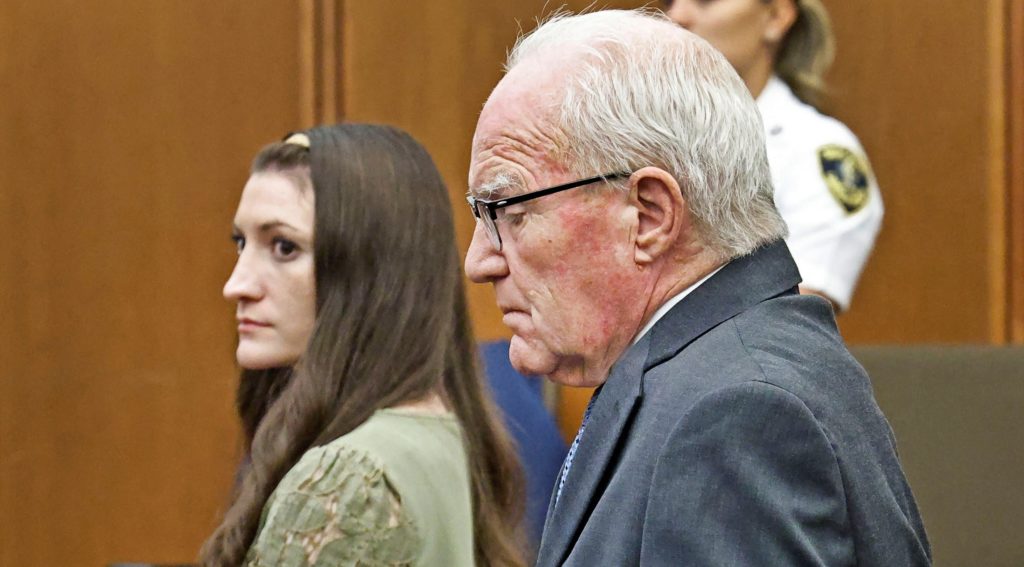
Jurors in the Lindsay Clancy trial resumed deliberations for a fifth day after informing the judge on the fourth day that they could not reach a unanimous verdict. PBS NewsHour reports the jury told the judge they were deadlocked and that unanimity is required for conviction or acquittal; CBS News corroborates that deliberations continued a day after the deadlock message. Short-form coverage provides procedural status but does not report a juror vote split, the judge’s exact wording, the basis for the deadlock, or detailed evidence from the trial.
Source and Framing Analysis
PBS NewsHour: Provides the clearest procedural context, reporting that jurors told the judge on day four they could not reach unanimity and emphasizing the legal significance that a unanimous verdict is required for conviction or acquittal. CBS News: Independently corroborates the basic timeline—deliberations resumed for a fifth day after a deadlock report—and identifies the proceeding as the Lindsay Clancy murder trial in Massachusetts. The Guardian: Supplies additional, single-source details in its account (an arrest of a woman alleged to have filmed jurors and that the judge questioned jurors individually) and summarizes the defendant’s plea and background (plea of not guilty by reason of lack of criminal responsibility, reference to postpartum psychosis, and prior work as a labor and delivery nurse). All three pieces are short procedural or update-style reports; none supplies a juror vote split, the judge’s precise instruction, courtroom quotes establishing reasons for the deadlock, or a comprehensive account of contested evidence. The narrow procedural framing reduces sensationalism but leaves key context unresolved; distinctive details reported by a single outlet (e.g., alleged filming and individual questioning) should be treated as provisional until corroborated.
Free every morning
Get the Daily Briefing
The stories shaping today—sourced carefully and considered through Scripture. No outrage bait.
Confirm by email. Unsubscribe at any time.
How sources covered this story
Sanctuary separately assesses reporting quality and alignment with Christian virtues. The virtues assessment considers truthfulness, dignity, compassion, justice, peacemaking, humility, and care for vulnerable people. It does not assess a publisher's faith or reward religious language.
Compare 3 reports
Reporting 78/100Virtues 82/100
- Distinctive contribution
- Reports an alleged arrest of a woman accused of filming jurors as they left the courthouse and that the judge questioned jurors one-by-one; also notes Clancy's prior job (labor and delivery nurse), her admission of the killings, and her plea of not guilty by reason of lack of criminal responsibility citing postpartum psychosis.
- Framing
- Straightforward factual reporting; presents courtroom developments and defendant's legal claim without sensational language. Includes a brief human-context detail (former nurse) and legal posture (plea).
- Omissions or uncertainty
- Does not identify who arrested the woman or provide details about the alleged filming (photos, video, intent). Lacks direct quotes from the judge, jurors, prosecutors, or defense and gives no procedural timeline or charges specifics beyond the plea.
- Why these scores
- Concise, specific and relevant to the trial; supplies new, verifiable-seeming details and useful context about the defendant’s plea and background. Limited depth and sourcing in the excerpt (no quotes or named sources), but appropriate for a news brief. Language is measured and non‑sensational; includes context about mental-health claim (postpartum psychosis) rather than only focusing on the crime, which supports humane framing. Does not dehumanize parties or exploit suffering.
Reporting 76/100Virtues 75/100
- Distinctive contribution
- Explains the unanimity requirement for verdicts and confirms the jury informed the judge it could not reach a unanimous decision — clarifies why the deadlock statement matters procedurally.
- Framing
- Explanatory and instructional in tone; focuses on legal mechanics (unanimity requirement) rather than on human-interest details.
- Omissions or uncertainty
- Does not mention the alleged juror-photographing incident, the judge’s questioning of jurors, details about the defendant’s plea or background, or quotes from court actors in the excerpt.
- Why these scores
- Provides clear, useful procedural context that helps readers understand the significance of a deadlocked jury. Balanced and informative though the excerpt is narrowly focused and lacks sourcing detail. Calm, explanatory reporting that aids understanding without sensationalizing; supports justice by clarifying legal standards, and treats the subject matter with neutral respect.
Reporting 70/100Virtues 70/100
- Distinctive contribution
- Confirms the deadlock report and that deliberations continued the following day; acts as an independent confirmation of the basic timeline.
- Framing
- Brief, neutral update focused on the procedural status of the jury; no additional context or emotive language in the excerpt.
- Omissions or uncertainty
- No detail about why the jury was deadlocked, whether the judge gave further instructions, any unusual courtroom incidents (e.g., alleged filming), or the defendant’s plea and background.
- Why these scores
- Accurate and succinct for a short news update. Lacks depth and contextual details but accomplishes the narrow purpose of confirming trial progress reliably. Neutral, factual tone with no demeaning language or sensationalism; neither particularly emphasizes care or justice beyond basic reporting, appropriate for a brief update.
Biblical Reflection
This update concerns courtroom procedure, not new determinations of culpability. Christian attention should hold two convictions together: a commitment to just accountability and a commitment to mercy and due process. The unanimity requirement exists to protect the vulnerable and reduce wrongful convictions; its deliberative slowness can frustrate observers but is part of communal discernment aimed at fairness. Christians should resist hasty moral certainties, avoid amplifying rumor or partial reporting, pray for truth and fair procedures, and offer pastoral care for alleged victims, the accused, jurors, court staff, and families. Our response should center truth, mercy, justice, peacemaking, humility, human dignity, and care for vulnerable neighbors while respecting legal processes.
Scripture in context
- 1Isaiah 1:17 — The prophet calls Israel away from empty ritual toward practical righteousness — doing right, defending the oppressed, and seeking justice for the vulnerable. — This passage invites Christians to pursue justice concretely: support fair procedures, advocate for protection of the vulnerable, and ensure that public pressure does not replace careful legal process.
- 2Matthew 7:1-2 — Jesus warns against hasty or hypocritical judgment and urges self-examination and humility rather than swift condemnation of others. — When trials are public and emotions run high, this text cautions Christians to avoid premature moral certainty, allow courts to do their work, and maintain compassion for all parties.
Faithful Response
Pray for clear judgment for jurors, wisdom for the judge, impartiality for courtroom actors, and comfort for families affected by the case.
Refrain from sharing or amplifying unverified conclusions on social media; wait for documented reporting and official court outcomes.
Provide pastoral care and referrals to counseling for congregants directly affected by the case or by anxieties raised by high-profile trials.
If personally involved (jurors, witnesses, or advocates), act with humility, patience, and a commitment to both mercy and accountability.
Support local victim-assistance and family-support ministries that offer practical and emotional help to those harmed by violence and to families experiencing legal hardship.
Free every morning
Get the Daily Briefing
The stories shaping today—sourced carefully and considered through Scripture. No outrage bait.
Confirm by email. Unsubscribe at any time.
Reflection and Discussion
- 1How does the unanimity requirement for juries echo Christian convictions about community discernment and protecting the vulnerable?
- 2When public emotion runs high around a trial, what responsibilities do Christians have in what they say publicly and privately?
- 3How can the church be a place of comfort and measured truth-telling rather than a court of public opinion during ongoing legal proceedings?
Sources
Reporting links are evidence inputs; Sanctuary News' biblical reflection is commentary.
- 1.Lindsay Clancy trial jury deliberates for fifth day after judge told them to keep working on decision deadlockprimary_reporting
- 2.Lindsay Clancy jury resumes deliberations day after deadlocked messageadditional_reporting