News Summary
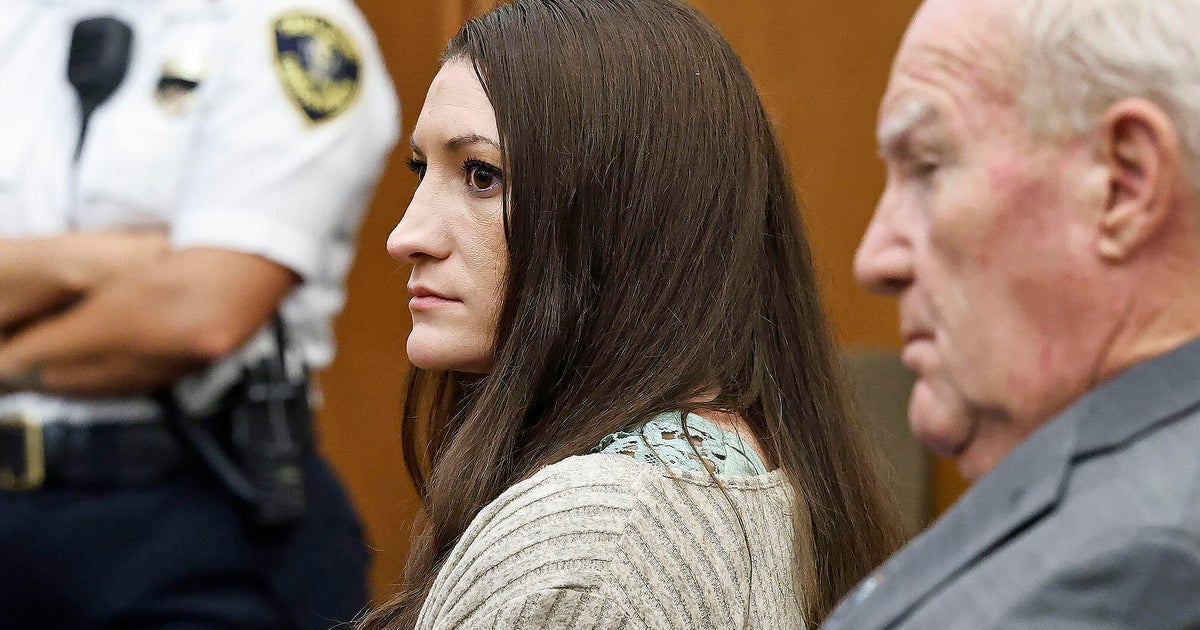
After a sixth day of jury deliberations in the Lindsay Clancy murder trial, jurors left Thursday without returning a verdict. Reporting by CBS News and The Guardian confirms the lack of a verdict. Both outlets identify a procedural problem raised by the defense; The Guardian specifically reports that the defense told the judge the jury foreperson submitted a note saying a single juror would not follow the court’s reasonable-doubt instructions and was blocking a verdict. Jurors were sent home and were expected to return the next day, according to reporting.
Source and Framing Analysis
Corroboration: CBS News and The Guardian agree on the central fact that the jury did not reach a verdict after a sixth day of deliberations. Attribution: The more specific procedural claim (a foreperson’s note reporting a juror’s refusal to follow reasonable-doubt instructions) is attributed in the available reporting to the defense counsel and is emphasized in The Guardian piece. Framing differences: The Guardian uses more dramatic wording (e.g., “dramatic sixth day of deliberations”) that may heighten reader anxiety; CBS’s supplied excerpt is more concise and neutral. Key omissions across reporting: no public text of the juror note, no recorded juror explanation, no judge ruling on dismissal (if requested), and no independent confirmation of the foreperson’s account beyond defense counsel’s statement. Reliability: both outlets are mainstream reporters; their coverage responsibly attributes contested claims to the party making them. Given the attribution and the missing procedural resolutions, the specific allegation about a juror’s refusal should be treated as an asserted, not yet independently verified, fact.
Free every morning
Get the Daily Briefing
The stories shaping today—sourced carefully and considered through Scripture. No outrage bait.
Confirm by email. Unsubscribe at any time.
How sources covered this story
Sanctuary separately assesses reporting quality and alignment with Christian virtues. The virtues assessment considers truthfulness, dignity, compassion, justice, peacemaking, humility, and care for vulnerable people. It does not assess a publisher's faith or reward religious language.
Compare 2 reports
Reporting 82/100Virtues 78/100
- Distinctive contribution
- Reports that the jury is deadlocked, scheduled to return Friday, and that the defense told the judge the foreperson said one juror would not follow the court's instructions about reasonable doubt and was holding up a verdict.
- Framing
- Slightly dramatic phrasing ('dramatic sixth day of deliberations') but includes specific attribution to the defense lawyer for the claim about the foreperson's note.
- Omissions or uncertainty
- Does not provide the juror's reasons, any response from the judge or prosecution in the supplied excerpt, how the foreperson communicated the issue, whether dismissal was granted or denied, or broader context about jury composition or legal standards beyond 'reasonable doubt.'
- Why these scores
- Supplies specific, attributed detail (defense lawyer reporting a foreperson's note) and next-step information (jurors to return Friday). The language is somewhat dramatic but the key claim is properly attributed; it does not assert the juror's motives and limits itself to what the defense reported. The excerpt is factual and attributes contested assertions to the defense, which respects honesty and fairness. It avoids dehumanizing language and presents the procedural impasse clearly, though it does not explicitly foreground dignity, compassion, or broader justice considerations.
Reporting 72/100Virtues 72/100
- Distinctive contribution
- Confirms that jury deliberations reached a sixth day and ended Thursday with no verdict.
- Framing
- Neutral, concise statement of status (no verdict) without additional color or attribution in the supplied excerpt.
- Omissions or uncertainty
- No detail about why jurors were deadlocked, whether any juror expressed refusal to follow instructions, what actions (if any) the judge or attorneys took, and no attribution or quotes are provided in the excerpt.
- Why these scores
- Accurate and concise for its apparent purpose (a brief status update). It lacks context, attribution, and explanatory detail in the supplied excerpt, but makes a clear factual claim without sensational language. Neutral, factual reporting that neither dehumanizes nor sensationalizes. The excerpt shows basic truthfulness and restraint but offers no broader context emphasizing dignity, compassion, or justice.
Biblical Reflection
Christians should respond to the jury deadlock with a posture that balances truth-seeking and mercy. The legal standard of reasonable doubt exists to protect against wrongful conviction; respecting that standard reflects humility about human fallibility. At the same time, compassion for the victim’s family and for everyone affected by public scrutiny is essential. Avoid rushing to moral certainty on social media, pray for jurors and court officials to have wisdom and courage, and support processes that pursue both accountability and fair treatment. Where the system appears slow or imperfect, consider responsible civic engagement for reform rather than sensational commentary that deepens harm.
Scripture in context
- 1Proverbs 21:15 — In its ancient context Proverbs contrasts righteous and wicked behavior, offering short sayings that link moral conduct to societal outcomes; many proverbs connect justice to human flourishing. — This proverb’s concern for justice invites Christians to care about fair legal outcomes and the integrity of judicial processes, and to pray that courts and jurors would pursue right judgment that serves the common good.
- 2Matthew 7:1-5 — Jesus’ teaching warns against hypocritical and hasty judgment, encouraging self-examination before condemning others. — These verses counsel restraint from public condemnation before a legal process concludes and remind believers to weigh partial information with humility and mercy.
Faithful Response
Pray specifically for jurors, the judge, attorneys, the accused, and the victim’s family for wisdom, clarity, and peace while deliberations continue.
Refrain from sharing or amplifying unverified claims about juror motives or private deliberations on social platforms or in congregational settings.
Offer pastoral presence and practical care (listening, counseling referrals, meals) to those in the community affected by the trial, while avoiding taking or promoting premature public conclusions.
Encourage congregation members to learn basics of the criminal-justice process so civic responses are informed and constructive rather than reactive.
If moved to pursue reform, do so through responsible civic channels that seek to strengthen both victim supports and procedural fairness.
Free every morning
Get the Daily Briefing
The stories shaping today—sourced carefully and considered through Scripture. No outrage bait.
Confirm by email. Unsubscribe at any time.
Reflection and Discussion
- 1Do I prefer quick certainty over patient pursuit of truth, and how does that affect my response to contested legal cases like this one?
- 2How can my faith community embody both compassionate care for those harmed and due regard for legal safeguards intended to prevent injustice?
- 3What practices can I adopt to avoid adding harm through rumor or premature judgment while the court process remains unresolved?
Sources
Reporting links are evidence inputs; Sanctuary News' biblical reflection is commentary.
- 1.Lindsay Clancy jury leaves without verdict, defense wants juror dismissedprimary_reporting
- 2.Lindsay Clancy jury sent home again without verdict in murder trialadditional_reporting