News Summary
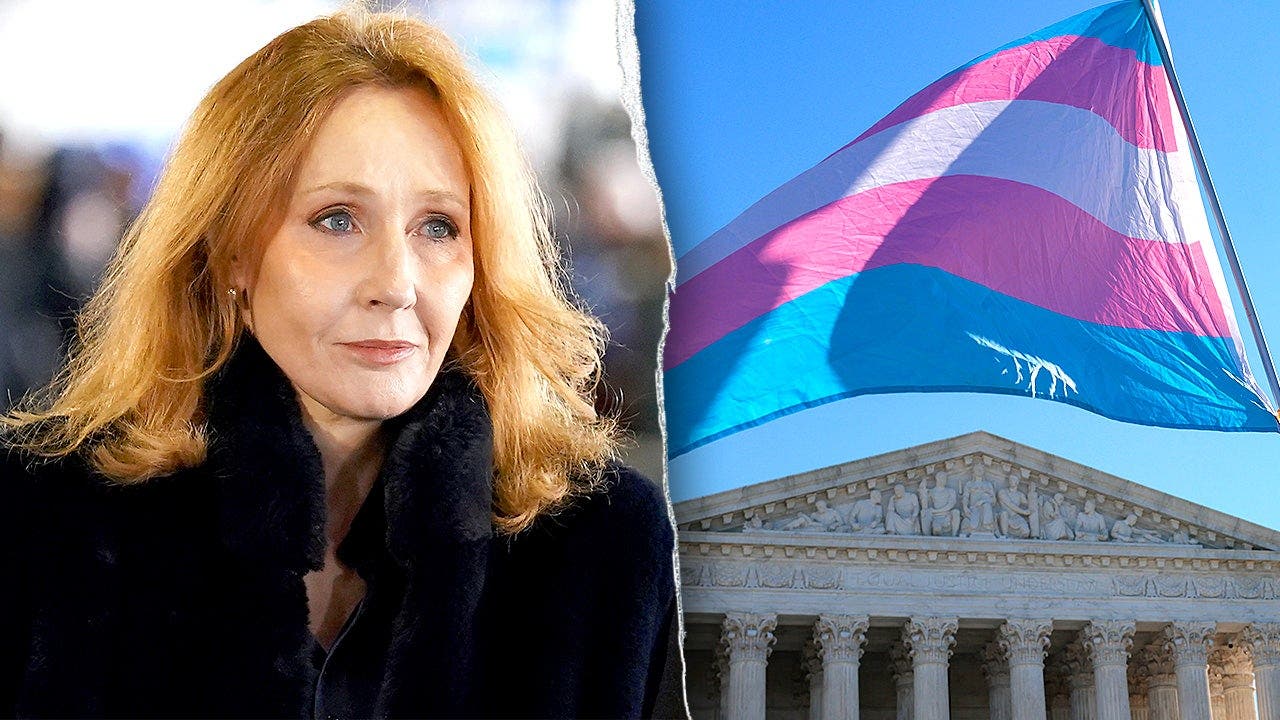
Fox News reported on the U.S. Supreme Court’s 6-3 ruling, authored by Justice Brett Kavanaugh, upholding Idaho and West Virginia laws that bar transgender women (biological males) from competing in girls’ and women’s school and college sports; the decision affirms state authority to restrict participation based on biological sex and preserves similar protections in over two dozen states. J.K. Rowling posted on X criticizing a BBC News headline about the ruling, calling the headline “propaganda” and objecting to the BBC’s use of the term “transgender women” instead of language emphasizing biological sex. The BBC responded that its article clarifies that, under the state bans, a transgender woman is described as a biological male who identifies as a woman, and said it reviews coverage to reflect legal developments. The article notes Rowling’s prior public opposition to transgender ideology, her support for For Women Scotland, her praise for an IOC policy limiting transgender women in female sport, and public criticism she has drawn from LGBTQ+ advocates and some fellow celebrities; it also mentions criticism of Queen Camilla for meeting Rowling during Pride Month.
Biblical Reflection
This story sits at the intersection of media framing, legal policy, and contested moral language. Objectively, the Supreme Court decision changes who may compete on girls’ teams in the affected jurisdictions and affirms state-level control; the reporting and the social reaction are shaped by competing convictions about sex, identity, fairness, and dignity. Both the BBC headline and Rowling’s reply reveal how language signals larger commitments: the BBC attempted a neutral label that some read as sympathetic to transgender identity, while Rowling used blunt biological language to insist on sex-based categories. Christians should notice two frequent hazards: (1) letting ideological commitments close off careful listening and precise fact-giving, and (2) allowing passionate defense of a cause to dehumanize real people. Truth requires clear description of legal facts and physiological differences where relevant; mercy requires we treat all persons with dignity. Humility calls us to acknowledge complexity—biological sex, gender identity, athletic fairness, and pastoral care are not reducible to slogans. Courage and peace ask believers to defend vulnerable populations (whether women in sport or transgender people facing exclusion and stigma) without scorning neighbors. In media consumption, Christians should be alert to framing choices that simplify contested terms for rhetorical effect, and seek reporting that distinguishes legal holdings from moral claims. The church’s witness is strongest when it speaks truth in love: upholding fair structures while protecting human dignity and offering pastoral care to those whose identities and livelihoods are affected.
Scripture in context
This outlook does not yet include contextual Scripture citations. Do not treat a general biblical theme as an exegetical conclusion.
Faithful Response
No prescribed response is offered. Consider the reflection prompts below in your own church context.
Reflection and Discussion
- 1What assumptions about identity and fairness underlie the headline choices and Rowling’s response, and how do those assumptions shape public understanding?
- 2How does media framing—word choice, emphasis, and context—change what the public sees as the legal fact versus the moral claim in this ruling?
- 3Does our instinct in controversial debates tend toward dehumanizing opponents or toward protecting vulnerable people from harm, and how would a Christian balance both concerns?
Sources
Reporting links are evidence inputs; Sanctuary News' biblical reflection is commentary.
This outlook currently relies on fewer than two linked sources. Broaden verification before teaching from it.
- 1.Original reportprimary