News Summary
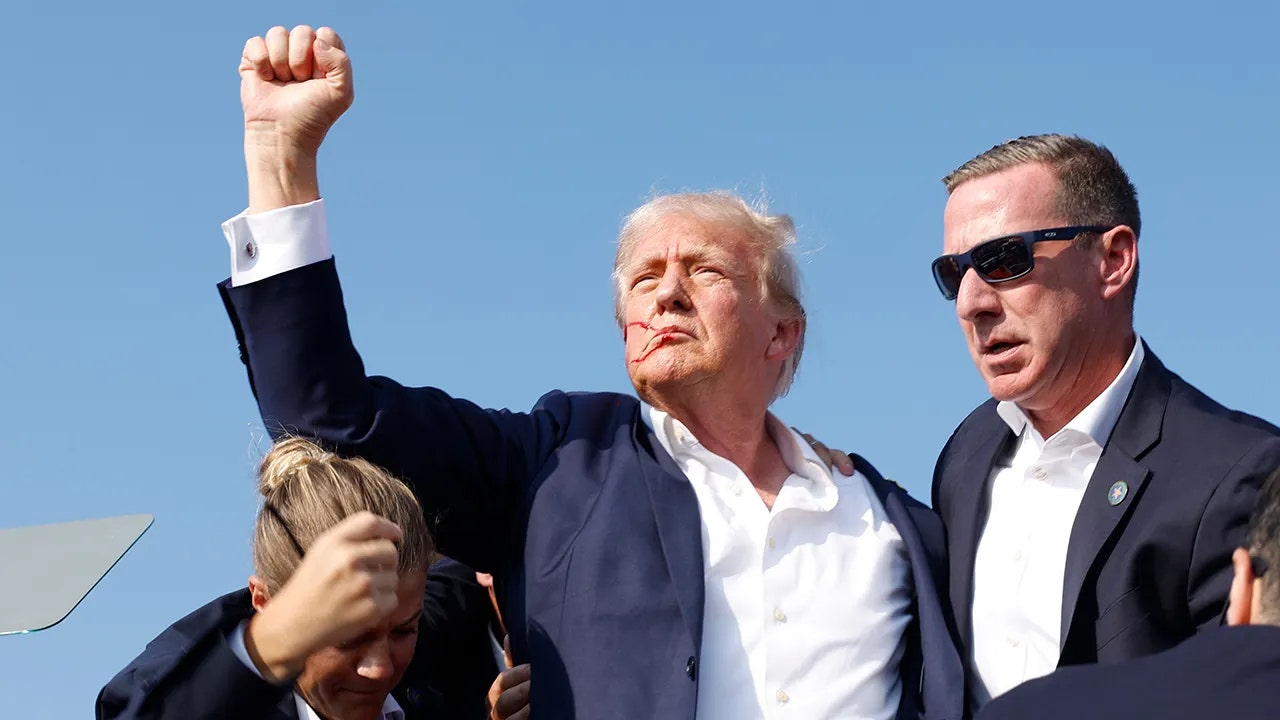
At a July 13, 2024, campaign rally in Butler, Pennsylvania, Thomas Matthew Crooks fired multiple shots from a nearby rooftop; one round grazed then-President Donald Trump, a firefighter named Corey Comperatore was killed shielding his family, and two other men were wounded. A Secret Service sniper killed the attacker. An Office of Inspector General (OIG) report released in mid-2026 concluded the Secret Service missed multiple opportunities to prevent or disrupt the attack because of communication failures, inadequate policies and processes, limited intelligence sharing, and poor coordination with protectee staff and local law enforcement; the report said protective detail was not warned that the attacker had a rangefinder and a long gun and had climbed onto a nearby roof. The article also notes subsequent alleged plots and threats against Trump: the September 2024 arrest of Ryan Wesley Routh near Trump International Golf Club with a rifle, an April attempt to breach the White House Correspondents’ Association Dinner ballroom, and reports that Israeli intelligence warned of an Iranian plot to assassinate Trump. The piece reports Trump publicly warned Iran against carrying out any assassination attempt and that the U.S. Secret Service has not issued a direct comment on the new reports; Fox News Digital sought comment from the White House.
Biblical Reflection
This story highlights the moral and civic imperative to protect human life and to hold institutions accountable when their failures put people at risk. The factual findings about communication breakdowns and policy gaps call for sober oversight and corrective action rather than partisan scoring. At the same time, reports of ongoing plots and national-security warnings raise the stakes beyond one political figure — they implicate public safety, intelligence cooperation, and the risk of escalation when foreign actors are alleged to be involved. Christian discernment here asks us to insist on truth and transparency (so failures can be fixed), to resist cycles of retaliatory rhetoric that inflame violence, and to advocate for just, lawful responses that protect the vulnerable. The article’s framing centers security lapses and threats; readers should note the mix of investigative reporting, unnamed intelligence claims, and charged quotes from political actors — each element merits careful verification. Pastoral concern also includes compassion for the victims and for public servants who must shoulder difficult responsibilities, and a call to pray for peaceful resolution rather than vengeance.
Scripture in context
This outlook does not yet include contextual Scripture citations. Do not treat a general biblical theme as an exegetical conclusion.
Faithful Response
No prescribed response is offered. Consider the reflection prompts below in your own church context.
Reflection and Discussion
- 1Are we asking for transparent, evidence-based accountability from security institutions regardless of political affiliation, and are we willing to support the reforms their safety requires?
- 2How does the language used by leaders and media either calm or inflame public fear — and how should Christians weigh calls for strong protection against the temptation toward retaliatory rhetoric?
- 3What difference does a posture of mercy and sober justice make for public life when the stakes include lives, national security, and international stability?
Sources
Reporting links are evidence inputs; Sanctuary News' biblical reflection is commentary.
This outlook currently relies on fewer than two linked sources. Broaden verification before teaching from it.
- 1.Original reportprimary