News Summary
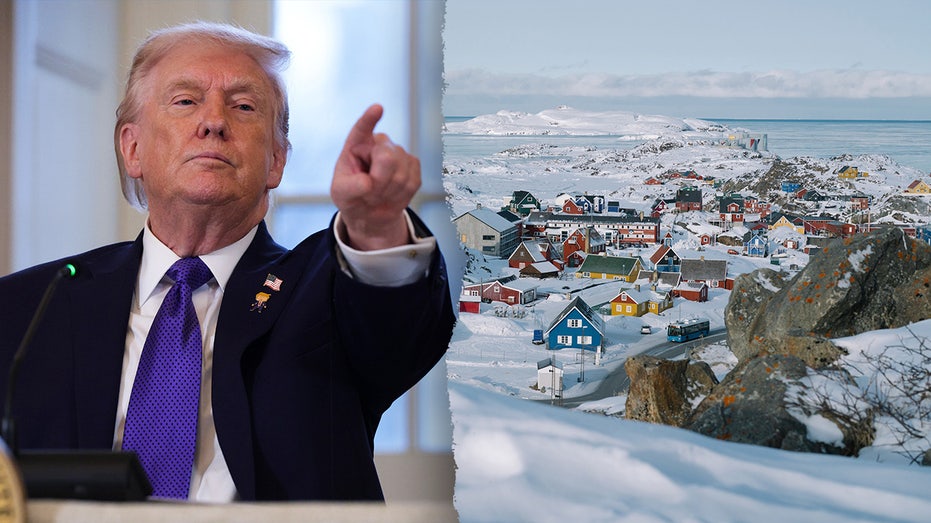
Iceland held a referendum on whether to resume talks about joining the European Union. Broadcaster RÚV (reported by BBC) put the result at 52.8% rejecting the government proposal to resume talks. CBS noted Iceland remains a member of the European Economic Area (EEA) and the Schengen Area, arrangements that shape its economic and travel relations with Europe. Fox News reported that President Trump’s reported effort to explore acquiring Greenland was discussed in Icelandic debate and said there were about 275,000 eligible voters; that outlet characterized the Greenland episode as adding a new 'security dimension' to the referendum discussion. The degree to which U.S. interest in Greenland materially affected Icelandic vote choices is not established in the supplied reporting.
Source and Framing Analysis
BBC and CBS provide straightforward factual reporting and context: BBC attributes the 52.8% rejection figure to RÚV, and CBS describes Iceland’s current ties to Europe through the EEA and Schengen. Fox News adds a geopolitical frame, reporting that President Trump’s reported interest in Greenland figured in the debate and supplying an electorate figure (about 275,000 eligible voters). That geopolitical linkage is interpretive: Fox frames the Greenland episode as creating a security concern in Icelandic debate but does not, in the supplied excerpt, show direct evidence (polling, turnout data, or quotations from Icelandic voters or officials) demonstrating how many voters were influenced by it. Readers should treat the Fox linkage as a claimed influence or angle on the debate rather than an established causal fact. Overall, factual core items (referendum held; majority rejection as reported; Iceland’s EEA/Schengen status) are corroborated; causal claims about Greenland’s effect on voter behavior are asserted by one outlet and remain uncertain without further sourcing.
Free every morning
Get the Daily Briefing
The stories shaping today—sourced carefully and considered through Scripture. No outrage bait.
Confirm by email. Unsubscribe at any time.
How sources covered this story
Sanctuary separately assesses reporting quality and alignment with Christian virtues. The virtues assessment considers truthfulness, dignity, compassion, justice, peacemaking, humility, and care for vulnerable people. It does not assess a publisher's faith or reward religious language.
Compare 3 reports
Reporting 85/100Virtues 85/100
- Distinctive contribution
- Reports that broadcaster RUV put the rejection at 52.8% of voters.
- Framing
- Straightforward, attributed reporting of the vote outcome; presented as information from a named domestic broadcaster.
- Omissions or uncertainty
- Does not indicate turnout, official confirmation, margin in absolute votes, or broader context about what the result means legally or politically.
- Why these scores
- Clear, specific figure with attribution to a named source (RUV). The excerpt is concise and appropriately cautious by attributing the number rather than asserting it as final official count. Accurate, non-sensational reporting that attributes the figure responsibly and treats the subject matter with neutrality and respect for factual clarity.
Reporting 82/100Virtues 78/100
- Distinctive contribution
- States that Iceland is a member of the European Economic Area and the Schengen Area and characterizes those arrangements as allowing frictionless movement of people, goods, capital and services.
- Framing
- Neutral factual background emphasizing existing economic and travel integration with Europe, implying reasons why voters might view EU membership differently.
- Omissions or uncertainty
- Does not explain differences between EEA/Schengen membership and full EU membership (e.g., rule-taking vs. rule-making, exclusions such as the customs union), nor does it cite sources or examples to qualify 'frictionless.'
- Why these scores
- Accurate and useful background information presented succinctly. Slightly simplified language ('frictionless') could mask important exceptions or complexities, but within a short excerpt the wording is acceptable and responsibly framed. Neutral, fact-focused wording that neither dehumanizes nor sensationalizes; provides helpful context that respects readers' ability to weigh policy nuances. The absence of deeper explanation limits a higher score.
Reporting 68/100Virtues 70/100
- Distinctive contribution
- Claims that President Trump's attempt to acquire Greenland added a 'new security dimension' to the referendum discussion and notes there were 275,000 eligible voters.
- Framing
- Frames the referendum partly through an external security lens, suggesting international actions influenced domestic debate.
- Omissions or uncertainty
- The excerpt does not provide evidence for how strongly or directly Trump's actions affected Icelandic voters or cite Icelandic sources expressing that concern; it does not show turnout or polling linking the issue to voter decisions.
- Why these scores
- Offers a plausible geopolitical context and useful electorate figure, but the claim that Trump's Greenland push added a security dimension is asserted without supporting detail in the excerpt. This reduces evidentiary strength and requires further sourcing to be fully convincing. Generally neutral and non-inflammatory in tone; it brings attention to geopolitical factors that may affect public debate. The lack of clear sourcing or voices from affected parties limits stronger alignment with virtues like humility and care for those impacted.
Biblical Reflection
From a Christian perspective this episode prompts reflection about how international actions and rhetoric shape domestic anxieties. Truth-seeking and humility require resisting quick certainties when reports mix fact and interpretation. Mercy and care for vulnerable neighbors call Christians to avoid amplifying fear-based narratives about other nations or peoples. Peacemaking urges leaders and citizens to pursue policies and public discourse that prioritize common good and minimize intimidation. Christians should pray for discernment for voters and leaders, model patient, evidence-based conversation, and advocate for policies that protect the dignity of smaller or more vulnerable communities in regional affairs.
Scripture in context
- 1Philippians 2:1-11 — Paul encourages the Philippian church to pursue unity through humility, urging believers to consider others' interests and to model Christ's self-giving service while facing social pressures and internal divisions. — This passage invites Christians to temper partisan triumphalism, to listen for the common good in political debate, and to prefer humility over rhetoric that exploits fear. It supports evaluating foreign-policy arguments by how well they reflect service to neighbors and restraint from aggressive posture.
Faithful Response
Pray for clarity, calm, and wise leadership in Iceland and among nations whose actions affect regional security conversations.
Encourage congregations and small groups to learn the basic, corroborated facts before drawing conclusions—distinguish between reported results and interpretive framing about why voters decided as they did.
Host or partner in forums that explain the differences between EEA/Schengen arrangements and full EU membership so parishioners can weigh trade-offs responsibly.
Resist fear-driven narratives that cast neighboring peoples as existential threats; actively promote hospitality and justice for vulnerable groups affected by international policy.
Advocate for media literacy: teach how to identify when a report moves from fact to interpretation and to seek primary sources (official results, domestic polling, direct quotations from local actors).
Free every morning
Get the Daily Briefing
The stories shaping today—sourced carefully and considered through Scripture. No outrage bait.
Confirm by email. Unsubscribe at any time.
Reflection and Discussion
- 1What kinds of evidence would convince you that an external event (like reported U.S. interest in Greenland) materially influenced a domestic referendum outcome?
- 2How should Christians balance legitimate national-security concerns with the call to love and protect neighbors?
- 3In what ways can our congregations model humility and peacemaking when public debate privileges alarmist framing?
- 4How will you apply careful source evaluation in conversations about international events that touch local politics?
Sources
Reporting links are evidence inputs; Sanctuary News' biblical reflection is commentary.
- 1.Iceland votes on resuming EU membership talks as Trump's push for neighboring Greenland looms over debateprimary_reporting
- 2.Iceland votes against restarting talks on joining EUadditional_reporting
- 3.Iceland rejects EU membership talks in referendum voteadditional_reporting