News Summary
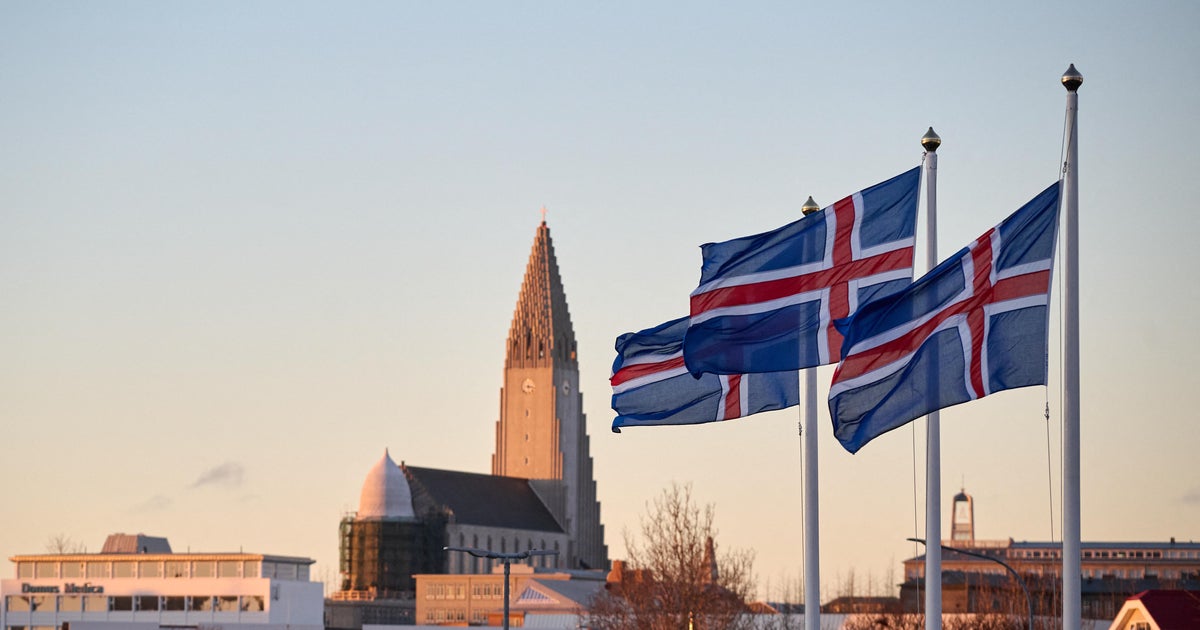
Iceland held a referendum on whether to resume formal talks about joining the European Union. Public reporting attributes the counted result to RÚV, Iceland's public broadcaster: roughly 52.8% voted against resuming accession talks. Iceland remains a member of the European Economic Area (EEA) and the Schengen Area, arrangements that preserve free movement of people, goods, capital and services with EU states. Media accounts add contextual details (including an estimate of about 275,000 eligible voters and commentary about regional security), but turnout, demographic breakdowns, the full official tally from Icelandic authorities, and the government's next policy steps were not provided in the supplied accounts and remain subject to follow-up reporting.
Source and Framing Analysis
The supplied sources agree on the central, factual outcome: the referendum produced a 'no' result on resuming EU accession talks. NPR cites RÚV for a 52.8% 'no' margin and is the clearest on that quantitative claim. CBS supplies useful institutional context — that Iceland is in the EEA and Schengen — which helps explain why accession is a distinctive choice for Iceland compared with states outside those arrangements. Fox News contributes additional, interpretive detail: an eligible-voter figure (~275,000) and a geopolitical framing that links the Iceland debate to U.S. interest in Greenland; that framing is contextually suggestive but not substantiated as a demonstrated cause of the vote in the supplied text. Overall, factual reporting on the vote outcome and Iceland’s EEA/Schengen status is strongly supported; interpretive claims about what drove the result, precise turnout, demographic patterns, and immediate policy consequences require official tallies and follow-up reporting from Icelandic sources (RÚV, the Icelandic government, or detailed local press analysis) before being treated as settled.
Free every morning
Get the Daily Briefing
The stories shaping today—sourced carefully and considered through Scripture. No outrage bait.
Confirm by email. Unsubscribe at any time.
How sources covered this story
Sanctuary separately assesses reporting quality and alignment with Christian virtues. The virtues assessment considers truthfulness, dignity, compassion, justice, peacemaking, humility, and care for vulnerable people. It does not assess a publisher's faith or reward religious language.
Compare 3 reports
Reporting 85/100Virtues 80/100
- Distinctive contribution
- Reports that 52.8 percent voted against EU talks and attributes the count to RÚV, Iceland's broadcaster.
- Framing
- Straightforward, factual reporting of the result with attribution.
- Omissions or uncertainty
- Doesn't state turnout, margin of error, geographic breakdown, number of ballots counted, or additional context about campaign issues and implications.
- Why these scores
- Clear, specific numeric result with explicit attribution to a local broadcaster (RÚV). For the narrow purpose of conveying the outcome this is well done; broader context may be present in the full article but is not in the supplied excerpt. Factual, attributed reporting that respects truthfulness and transparency; no inflammatory language and provides a named source for verification.
Reporting 80/100Virtues 80/100
- Distinctive contribution
- States that Iceland is already part of the European Economic Area and the Schengen Area, enabling frictionless movement of people, goods, capital and services.
- Framing
- Neutral, factual description emphasizing legal/institutional arrangements and their practical effect (frictionless movement).
- Omissions or uncertainty
- Does not state the referendum result, margin, turnout, timing, how EEA/Schengen membership shaped campaign arguments, or sources for the claim.
- Why these scores
- Concise, specific factual claim about institutional membership and practical consequences; appropriate for context. Lacks additional sourcing or broader context in the supplied excerpt but accomplishes its apparent purpose clearly. Neutral, non‑sensational factual reporting that respects readers' ability to weigh implications; no dehumanizing language or evident bias in the excerpt.
Reporting 70/100Virtues 65/100
- Distinctive contribution
- Claims that President Trump's attempt to acquire Greenland added a security dimension to Iceland's EU referendum debate and notes there were 275,000 eligible voters.
- Framing
- Suggests an external geopolitical factor influenced the referendum debate; the phrasing highlights security concerns tied to a U.S. action.
- Omissions or uncertainty
- Does not explain how Greenland/Trump concretely affected voter attitudes, provide sources for the security-impact claim, or give the referendum outcome or vote breakdown.
- Why these scores
- Provides a notable interpretive detail (Greenland/Trump influence) and a voter count, but the supplied text lacks sourcing and specific evidence for the asserted causal link; reasonable as color/context but limited in substantiation. Excerpt is not dehumanizing, but frames the story around security concerns tied to a political figure, which could amplify anxiety without shown evidence; otherwise neutral in tone.
Biblical Reflection
A Christian response begins with attentiveness to truth and the common good. This referendum is an exercise in national self-determination where citizens weighed sovereignty, economic ties, and security concerns and chose to keep the status quo rather than resume formal accession negotiations. Christians should resist triumphalist or binary readings and instead ask how civic decisions affect neighbors—especially the vulnerable whose livelihoods or mobility may hinge on trade, fisheries regulation, or cross-border arrangements. The church's role is not partisan advocacy for a particular treaty but pastoral and civic: to pray for leaders and citizens, to listen across political divides, to advocate for policies that protect the poor and marginalized, and to model humility, mercy, and care amid disagreement. Practically, this means supporting accurate information, seeking to heal civic wounds, and helping those materially affected by policy shifts.
Scripture in context
- 1Romans 13:1-7 — Paul instructs early Christians about respect for governing authorities as institutions that maintain order and punish wrongdoing, while also reminding believers that ultimate allegiance belongs to God. — This passage encourages Christians to participate responsibly in civic life—obeying just laws, praying for leaders, and engaging public affairs with integrity—without conflating state decisions with ultimate spiritual identity. It calls for sober engagement rather than partisan zealotry in response to a national vote.
- 2Philippians 2:3-4 — Paul exhorts believers to humility and to consider others' interests above their own within a community marked by unity and Christlike service. — The passage challenges Christians to judge political outcomes by how they affect neighbors, to avoid self-righteous triumphalism, and to prioritize policies and pastoral responses that protect vulnerable people impacted by economic or social change.
Faithful Response
Pray for Icelandic leaders, civic institutions, and neighbors—asking for wisdom, peace, and provision for those economically affected.
Wait for and consult primary Icelandic sources (RÚV, official government statements) and detailed follow-up reporting before drawing firm conclusions about turnout, drivers of the result, or policy consequences.
Encourage local congregations to host informed, calm discussions that prioritize listening, clarify verified facts, and identify immediate practical needs among people whose livelihoods may be affected.
Support practical relief or advocacy for vulnerable groups (seasonal workers, fishermen, students, migrants) who may face disruption regardless of the referendum outcome.
Resist partisan triumphalism or scapegoating; practice humility, seek reconciliation across political divides, and model neighborly compassion.
Free every morning
Get the Daily Briefing
The stories shaping today—sourced carefully and considered through Scripture. No outrage bait.
Confirm by email. Unsubscribe at any time.
Reflection and Discussion
- 1Does my immediate reaction to this vote reflect national pride, fear, or concern for neighbors, and how should Scripture re-order that response?
- 2What evidence would I need to understand the real economic and social consequences of this decision for ordinary Icelanders (turnout, regional/demographic breakdowns, sectoral impacts)?
- 3How can the church hold convictions about sovereignty or openness while also acting mercifully toward those who disagree?
- 4What practical steps can my congregation take to support people affected by international-policy shifts even when we disagree about the political merits?
Sources
Reporting links are evidence inputs; Sanctuary News' biblical reflection is commentary.
- 1.Icelanders vote 'no' to talks aimed at joining the EU in close referendumadditional_reporting
- 2.Iceland rejects EU membership talks in referendum voteprimary_reporting
- 3.Iceland votes on resuming EU membership talks as Trump's push for neighboring Greenland looms over debateadditional_reporting