News Summary
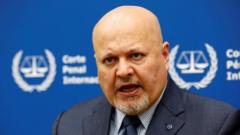
Reported facts: The ICC's oversight body announced a vote removing Chief Prosecutor Karim Khan from his post. The removal follows sexual misconduct allegations first reported nearly two years ago. Attributed claims: Reporting attributes allegations that Khan had an improper sexual relationship with a junior staff member and sought to prevent her complaint; Khan denies these allegations. Uncertainty: Public reporting does not disclose the detailed contents of the investigatory file, the vote tally, or the full basis for the oversight body's decision.
Source and Framing Analysis
Both supplied reports (BBC and PBS) agree on the removal and on Khan's denial; PBS explicitly notes the nearly two-year timeline. Available reporting is concise and factual but lacks published investigative details (e.g., evidence, timelines, vote counts). That absence of detail materially affects how confidently observers can evaluate the claims; the coverage emphasizes institutional action rather than a public account of findings.
Free every morning
Get the Daily Briefing
The stories shaping today—sourced carefully and considered through Scripture. No outrage bait.
Confirm by email. Unsubscribe at any time.
Biblical Reflection
This story raises two overlapping Christian concerns: protection of the vulnerable and accountability for those in positions of authority. Scripture and the broader Christian moral tradition call leaders to steward others with integrity, and when leaders harm or are credibly accused of harming those they oversee, institutions must pursue truth and justice while protecting the dignity of all involved.
At the same time, Christian charity requires avoiding ungrounded rumor and rushing to moral verdicts before facts are shown. The community should insist on transparent, fair procedures that centre the needs and safety of alleged victims and witnesses, while allowing legitimate accountability processes to proceed. Public prayer, patient discernment, and robust institutional reform (clear reporting channels, independent investigation, protections for complainants) are faithful responses that honor both truth and mercy.
Finally, this episode is a sober reminder that institutions created to pursue justice are still staffed by fallen people. Christians should press for both personal repentance where wrongdoing is confirmed and systemic changes where processes failed, seeking restoration where possible but also the protection of those harmed.
Scripture in context
- 1Matthew 18:6 (mentioned by reference) — In a teaching about discipleship and community, Jesus warns against causing 'the least of these' to stumble, emphasizing special care for the vulnerable among his followers. — Leaders entrusted with care have a heightened responsibility to protect those under their authority; allegations of abuse or coercion must be taken seriously and investigated in ways that safeguard vulnerable people.
- 2Proverbs 31:8-9 (mentioned by reference) — A wisdom instruction calling readers to speak up for those without a voice and defend the rights of the poor and needy. — Communities should create and support channels that allow complainants to speak safely and be heard, while ensuring processes are fair and just for all parties.
Faithful Response
Pray for truth, protection for any victim, and wisdom for investigators and ICC leadership.
Avoid spreading unverified details; rely on confirmed reporting and allow due process while advocating for transparency.
Support institutional reforms that protect complainants, ensure independent investigations, and hold leaders accountable.
Offer pastoral care and listening to survivors and staff affected by such cases; churches should provide safe referral paths for reporting abuse.
Free every morning
Get the Daily Briefing
The stories shaping today—sourced carefully and considered through Scripture. No outrage bait.
Confirm by email. Unsubscribe at any time.
Reflection and Discussion
- 1Does my immediate reaction lean toward protecting an institution or centering the safety and voice of the vulnerable, and why?
- 2What structures and disciplines (transparency, independent investigation, pastoral care) should Christians advocate for in institutions that handle abuse allegations?
- 3How can the church model both accountability and mercy without excusing wrongdoing or silencing survivors?
Sources
Reporting links are evidence inputs; Sanctuary News' biblical reflection is commentary.
- 1.ICC top prosecutor removed over sexual misconduct allegationsprimary_reporting
- 2.ICC chief prosecutor Karim Khan removed from post over sexual misconduct allegationsadditional_reporting