News Summary
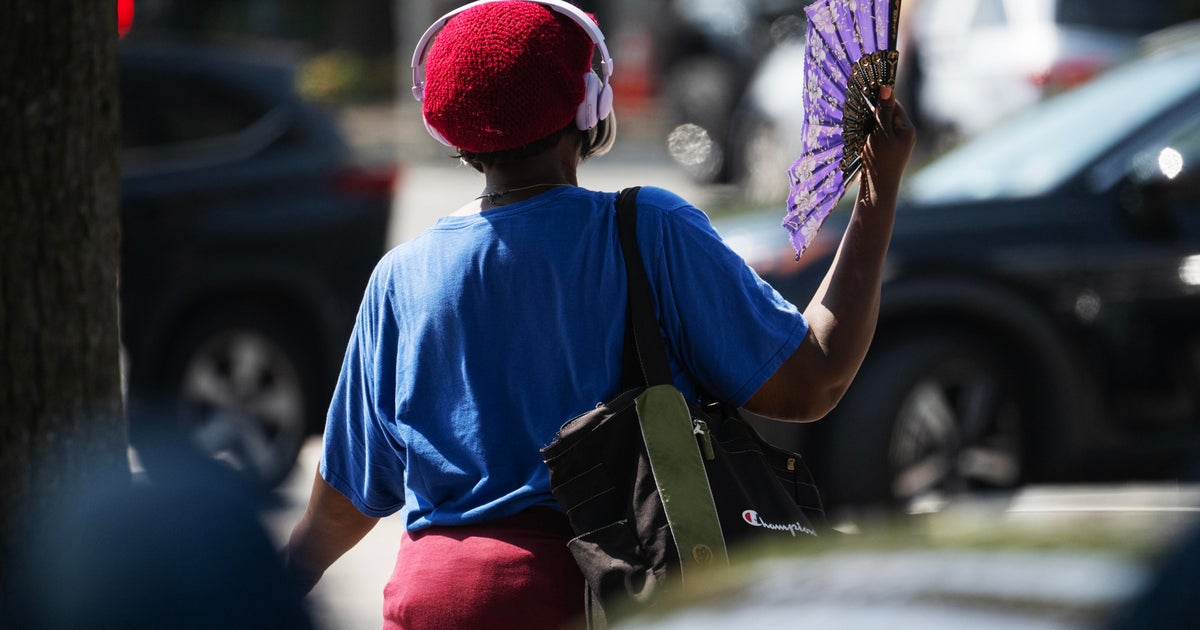
A heat dome over the western United States reached its peak Sunday, prompting severe weather alerts covering about 40 million people. Forecasters warned of prolonged, exceptionally rare warmth for some locations, with widespread daytime highs expected between 105°F and 115°F and limited overnight cooling. The National Weather Service said the most severe effects were occurring in the northern Plains, the Rockies and parts of the desert Southwest, with hazardous heat likely to linger and spread eastward at times through the following weekend. Specific forecasts included potential all-time highs in parts of Montana (possibly up to 112°F), Salt Lake City potentially near its record at about 107°F, and dangerous heat index values in Bismarck, North Dakota. Officials cautioned about increased wildfire risk, strain on health systems and infrastructure, and heightened chances of heat-related illnesses; they issued advisories recommending reduced sun exposure, hydration, and checks on vulnerable neighbors.
Biblical Reflection
The article reports measurable, imminent danger to large populations and to systems that serve them (health care, power, firefighting). Its factual framing centers on forecasting and public-health warnings rather than political interpretation. From a Christian pastoral perspective, the reality of large-scale extreme heat calls us to respond with truth (accurate sharing of risks), mercy (hurting and vulnerable people need immediate help), and stewardship (care for creation and infrastructure that protect communities). There is a temptation in public conversation either to downplay risk or to weaponize it for political ends; faithful response prioritizes clear information, practical care for those most exposed, and cooperative action across civic and congregational lines. The article does not attempt causal attribution beyond describing the heat dome; Christians should avoid confident technical claims they are not equipped to make, while still recognizing that longer and more intense heat seasons put recurring burdens on the elderly, outdoor workers, homeless populations, and emergency services. The pastoral imperative is to move from concern to neighborly action: support cooling centers, check on isolated people, advocate for resilient infrastructure, and pray for those suffering.
Scripture in context
This outlook does not yet include contextual Scripture citations. Do not treat a general biblical theme as an exegetical conclusion.
Faithful Response
No prescribed response is offered. Consider the reflection prompts below in your own church context.
Reflection and Discussion
- 1Does the coverage direct attention toward immediate help for vulnerable people, or toward alarm without practical steps?
- 2What systems—local congregations, hospitals, utilities, emergency services—are most likely to fail people under prolonged heat, and how can Christians help strengthen them?
- 3Are we allowing this event to become a partisan talking point, or are we using it as an opportunity to practice neighbor-love and communal preparedness?
Sources
Reporting links are evidence inputs; Sanctuary News' biblical reflection is commentary.
This outlook currently relies on fewer than two linked sources. Broaden verification before teaching from it.
- 1.Original reportprimary