News Summary
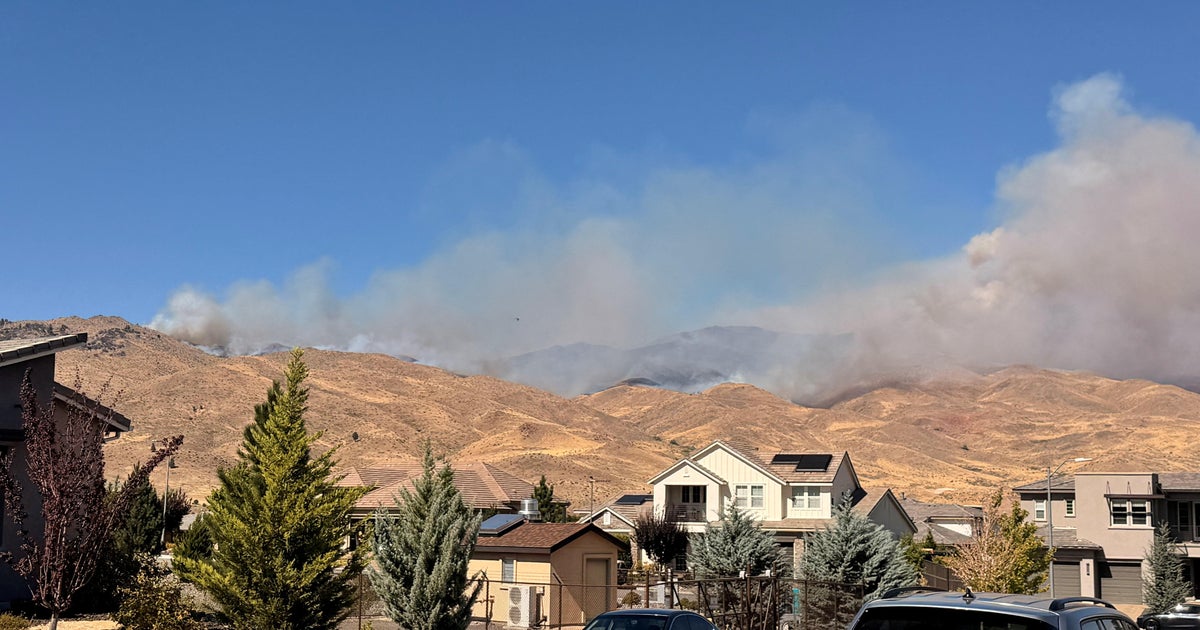
A fast-moving wildfire known as the Hawk Fire began over the weekend and expanded rapidly into Sunday, driven by strong gusty winds, low humidity and dry vegetation. Reporting supplies differing size estimates: The Guardian reports the blaze covered more than 10,500 acres and that evacuation orders affected nearly 14,000 homes with a 'GO NOW' zone pushed to the edge of the University of Nevada campus (attributed to Truckee Meadows Fire and Rescue). PBS NewsHour reports a larger size estimate (about 20 square miles) and places the fire in the Peavine Peak area of the Humboldt–Toiyabe National Forest. CBS News corroborates the weekend start (hedged as 'apparently began Saturday') and emphasizes the weather and fuel conditions that fueled rapid growth. Supplied reporting so far does not confirm ignition source (despite PBS using the phrase 'human-caused' in its headline), casualty or injury counts, numbers of structures damaged or destroyed, containment percentage, or a timeline for control and recovery.
Source and Framing Analysis
Three primary pieces of reporting shape the current account. The Guardian supplies multiple concrete, attributable operational details—an estimated burned area of more than 10,500 acres, nearly 14,000 homes evacuated, and a 'GO NOW' evacuation zone extended to the university edge—citing Truckee Meadows Fire and Rescue. CBS News focuses on timing (a hedged Saturday start) and the environmental drivers (strong gusty winds, low humidity, dry vegetation) that explain rapid growth. PBS NewsHour provides geographic context (Peavine Peak, Humboldt–Toiyabe National Forest) and a larger area estimate (about 20 square miles) and appears in its headline to identify the blaze as human-caused. The PBS size figure and the human-cause framing are not corroborated in the supplied Guardian and CBS excerpts; these differences create two principal points of dispute: (1) the reported burned acreage/area and (2) whether the ignition has been confirmed as human-caused. Overall framing across outlets is urgent and public-safety oriented; reporters generally hedge unconfirmed facts and attribute assessments to local authorities where available, which supports cautious use of the material for immediate decision-making. Remaining critical uncertainties that local agencies or additional reporting should resolve include cause, casualty and structural-damage counts, containment percentage and timeline, official shelter locations and needs, and air-quality or public-health guidance.
Free every morning
Get the Daily Briefing
The stories shaping today—sourced carefully and considered through Scripture. No outrage bait.
Confirm by email. Unsubscribe at any time.
How sources covered this story
Sanctuary separately assesses reporting quality and alignment with Christian virtues. The virtues assessment considers truthfulness, dignity, compassion, justice, peacemaking, humility, and care for vulnerable people. It does not assess a publisher's faith or reward religious language.
Compare 4 reports
Reporting 84/100Virtues 78/100
- Distinctive contribution
- Gives precise acreage (more than 10,500 acres), an approximate count of homes under evacuation (nearly 14,000), the extension of 'GO NOW' evacuation to university edges, and cites Truckee Meadows Fire and Rescue.
- Framing
- Urgent public-safety framing with explicit numeric details and an official source cited for the evacuation status—focuses on immediate risk and operational response.
- Omissions or uncertainty
- Does not mention cause (in the supplied excerpt), power outages, or injury counts. The acreage and evacuation figures are presented as reported but the excerpt doesn't explain how those numbers were calculated or timestamped.
- Why these scores
- Strong, specific reporting in the excerpt: numerical acreage and evacuation counts plus an identified official source enhance credibility and usefulness. Minor limitations are lack of timestamps for the figures and absence of some contextual details (cause, injuries) within this excerpt. Provides concrete safety-related information and cites a local emergency authority, which supports public protection and respect for affected people. The excerpt is factual and urgent without demeaning language; it does not explicitly show compassionate outreach but is aligned with care for vulnerable populations through evacuation reporting.
Reporting 82/100Virtues 75/100
- Distinctive contribution
- Attributes the blaze to human causes, documents widespread power outages, and characterizes the fire as showing 'extreme fire behavior'—details not fully stated in the other supplied excerpts.
- Framing
- Urgent and descriptive: emphasizes human causation and extreme behavior, highlighting broad impacts (power outages and large-scale evacuation advisories). Attribution to officials is included for the characterization.
- Omissions or uncertainty
- The excerpt does not provide specific acreage, exact evacuation counts, precise locations/neighborhoods, nor details on injuries despite the title; it relies on unnamed 'officials' for some claims.
- Why these scores
- The excerpt is concise, includes attribution ('officials say'), and supplies actionable-impact details (power outages, evacuation advisories, cause). It is limited by lack of granular numeric specifics (exact evacuation counts, acreage) and doesn't identify which officials or sources for the 'human-caused' claim within the excerpt. Neutral, factual treatment that avoids sensationalizing individuals' suffering and attributes claims to officials. Provides useful public-safety information (evacuations, outages). Does not explicitly express compassion or provide guidance for vulnerable people in the excerpt, but also shows no dehumanization or exploitation.
Reporting 80/100Virtues 75/100
- Distinctive contribution
- Provides a specific area measurement (20 square miles) and named location (Peavine Peak, Humboldt–Toiyabe National Forest), clarifying where the fire is burning relative to populated areas.
- Framing
- Factual and geographic: emphasizes physical extent and the interface between rugged foothills and nearby development, implying risk to structures without emotional language.
- Omissions or uncertainty
- Does not state cause, precise evacuation numbers, injuries, or power impacts in the supplied excerpt. The 20-square-mile figure is presented without attribution in the excerpt.
- Why these scores
- Clear, specific measurement and place-name detail that improve understanding of scale and location. The excerpt is factual though brief and would be stronger with explicit sourcing for the acreage and more operational details. Neutral, informative description that respects human dignity by focusing on concrete risk to homes/businesses. Lacks explicit compassionate language or guidance for affected people in the excerpt, but contains no demeaning or inflammatory content.
Reporting 78/100Virtues 75/100
- Distinctive contribution
- Identifies meteorological and fuel conditions driving fire spread, which contextualizes other reports of rapid growth and evacuations.
- Framing
- Cautious and explanatory: uses tentative language ('apparently') and lists environmental drivers rather than attributing blame, focusing on factors that increase intensity.
- Omissions or uncertainty
- Does not include acreage, evacuation counts, location specifics, or attribution of human cause in the supplied excerpt. The use of 'apparently' indicates uncertainty about exact ignition timing or cause.
- Why these scores
- Provides useful explanatory detail and shows cautious wording where appropriate. The excerpt is succinct and responsible, though it lacks sourcing detail and broader impact metrics within the supplied text. Responsible, non-sensational reporting that emphasizes factual causes and avoids fearmongering. The excerpt does not explicitly highlight support for affected people, but it does not harm dignity or exploit suffering.
Biblical Reflection
This emergency underscores human vulnerability, mutual dependence, and the need for clear, compassionate action. Christians should center truth, mercy, justice, peacemaking, humility, dignity, and care for vulnerable neighbors: obey official evacuation and safety guidance; prioritize accurate information from local emergency agencies; offer practical help through coordinated, verified channels; protect the dignity and privacy of those displaced; refrain from politicizing the crisis while lives are at risk; and commit to sustained advocacy for preparedness, equitable recovery, and land stewardship to reduce future wildfire risk. Pastoral ministry now pairs calm, truthful communication with tangible aid and long-term solidarity with affected communities.
Scripture in context
- 1Psalm 46 — A communal song sung for times of national or regional crisis, offering trust in God when landscapes and communities are shaken. — Encourages a steadying presence and dependent prayer during disasters; Christians can model calm, credible care and organized practical assistance when communities are disrupted.
- 2Matthew 25 — Teaching that faith is lived out in care for vulnerable neighbors—feeding, sheltering, and visiting those in need. — Calls congregations to prioritize concrete care (shelter, meals, transport, pastoral support) for evacuees and emergency-affected households while coordinating with local authorities and relief groups.
Faithful Response
Prioritize safety: follow official evacuation orders and updates from Truckee Meadows Fire and Rescue and local emergency-management agencies before acting or sharing information.
Verify before sharing: rely on named official sources and vetted relief organizations rather than unverified social posts or rumors.
Coordinate practical help: offer volunteers, housing, meals, and donations only through established shelters and response networks; set up a central, verifiable intake process for offers and needs.
Provide pastoral care: establish hotlines or contact teams for congregants and neighbors, prepare trauma-informed listening visits, and offer material support paired with companionship.
Protect dignity and privacy: avoid photographing or publicizing personal losses without explicit consent and respect evacuees’ agency in decisions about aid.
Support emergency personnel: encourage prayer and practical support for firefighters, medical teams, and emergency managers, and heed official guidance about where volunteers and supplies are needed.
Resist politicizing while lives are at stake; later, advocate for prevention, equitable recovery, and policies that protect those most at risk.
Plan for the long term: be ready to help with case management, counseling, rebuilding assistance, and sustained relationships rather than episodic charity.
Free every morning
Get the Daily Briefing
The stories shaping today—sourced carefully and considered through Scripture. No outrage bait.
Confirm by email. Unsubscribe at any time.
Reflection and Discussion
- 1How can our congregation balance immediate relief (shelter, food, transportation) with long-term commitment to neighbors affected by the Hawk Fire?
- 2Where must we exercise humility in assigning cause or blame in the days after a fast-moving disaster?
- 3What practical steps can we take to advocate for preparation, environmental stewardship, and support for communities that face recurrent wildfire risk?
- 4How will we ensure the dignity and agency of evacuees in our relief efforts rather than treating them as objects of charity?
- 5What partnerships with official agencies and vetted relief organizations should we form now to be most helpful and avoid interfering with response operations?
Sources
Reporting links are evidence inputs; Sanctuary News' biblical reflection is commentary.
- 1.Fast-growing Hawk Fire near Reno, Nevada forces thousands to evacuateprimary_reporting
- 2.Fast-moving wildfire in Reno, Nevada, forces thousands to evacuate homesadditional_reporting